Disclaimer: I always need to reiterate that if I write and publish it, I believe it. How we all apply it to our lives is the hard part. As much as I relate to these ideas, implementing them has sometimes been challenging. If this life can be “figured out,” I haven’t done it yet. Writing gets it from my brain to a place where I can think more clearly. Blog posts like this are a way to keep steering in the right direction.

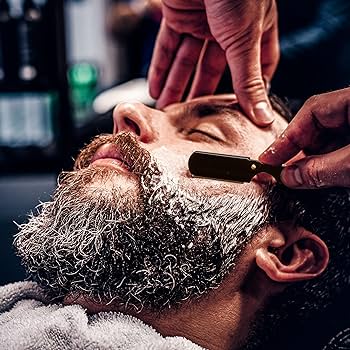
I subscribe to a fantastic newsletter from Farnam Street called Brain Food. Here is the link if you want to sign up : https://fs.blog/newsletter/ The whole idea behind Farnam Street is to help you master the things that other people have already figured out. The weekly newsletter is a catalog of articles around the internet that help you see things through a different lens. A few months back, one of the feature articles reported from MIT on a study in which scientists were trying to figure out why razor blades were so easily damaged by hair.
If you’re like me, you’ve probably not thought much about the disposable nature of razors. More than likely, you buy a new pack when the old razors get dull. But when you think about it, it really is a bit odd that something made of stainless steel is damaged by something as soft as human hair. The article even mentions hair is 50 times weaker than steel, yet only a single piece can cause the edge to chip. Once one initial chip or crack is present, it becomes susceptible to more chipping, eventually causing the entire edge to become dull.
At this point in the article, I had an idea of what could cause the problem, but I wanted to read more to be sure. All I could think about was how our lives can be turned upside down, flipped around, and tossed about by small things that turn into big things. Sure, you can take a hammer to a razor blade and destroy it in a heartbeat, but more often, they get worn down over time until they eventually can’t work to their full potential. That sounds an awful lot like our lives as humans.
Here is a link to the article. Long story short, the team found three reasons that a blade could become more prone to chipping:
· The microstructure of the steel is not uniform
· The blade’s approaching angle to a strand of hair
· The presence of defects in the steel’s microstructure

I believe there are similar reasons we can become prone to “chipping” as well.
· Our foundation and governing principles are not uniform
· Our approach angle to our mundane, everyday tasks
· The presence of defects in our foundation (blind spots)
Developing our foundation and governing principles starts before we have any control over their creation. It begins with our genetics and parents, and over the years, other people come into our lives that help shape them as well. Friends, teachers, coaches, mentors–all have a huge role to play in our development. Eventually, we mature to a point where we begin to think independently, but our past relationships and experiences affect us in ways we couldn’t control, even if we wanted to.
Having different opinions on different topics is normal, but the things that we believe on a foundational basis are rarely if ever, changed. And if they are, you can bet it is a challenging process. When these principles are at odds with each other, they cause a rift, which leaves us as a prime target for internal conflict. “No man can serve two masters: for either he will hate the one and love the other, or else he will hold to the one and despise the other.” — Matthew 6:24-26
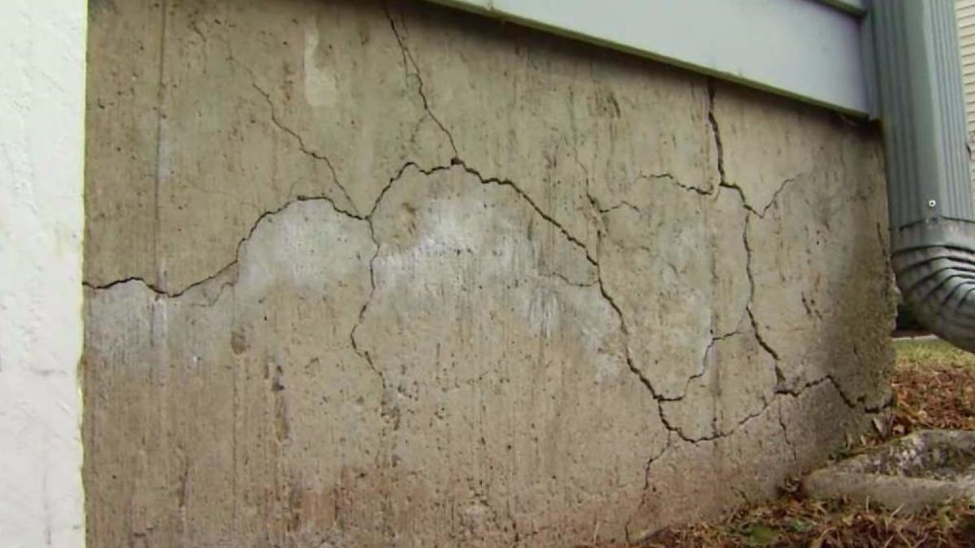
To remedy this, we must do some soul-searching and figure out what we TRULY believe. We must know who we are and be conscious enough to understand that we can’t fool ourselves. If our actions don’t align with what we believe, then there is no uniformity in our microstructure, and it’s only a matter of time before our foundation starts to crumble.
Those actions are the second reason we don’t reach our potential. We get so caught up in the “big” parts of our lives that the daily tasks and how we perform them get lost in the shuffle. Martha Beck coined the phrase, “How you do anything is how you do everything.” If she’s right, that is one of the most profound statements I’ve ever read.
Our life really is a whole bunch of little things done over and over again and sprinkled with the occasional “big” thing. A 75-year-old man may take 50 family vacations over the years, but he has dinner with his wife 18,250 times over that same period. Which one of those is more important at the end of his life? Doing the little things right can be tedious and mundane, but how we approach and attack them can make all the difference in the world.
Just like a blade can have defects in its microstructure, we, too, can have defects in our foundation. These blind spots can give us a false sense of how our world works. The great Persian poet Rumi said it best: “Yesterday I was clever, so I wanted to change the world. Today, I am wise, so I am changing myself”.
The most significant defect in our foundation is denying the prospect that we could be wrong about something—or everything. When we refuse to entertain the possibility that our ideas can be tested–and even changed– we reject the opportunity to grow into our full potential.
Razor blades are disposable. It would make little sense to inspect each one at a microscopic level or study the effects of each shaving session on the edges of the blade. Our lives, though–they are anything but disposable. The great news is that if we create a strong foundation within ourselves, become open to learning and growing, and embrace the importance of the small things with passion, we can grow closer to unlocking our full potential. It may not make the pages of an MIT research magazine, but it will help make our small circle of influence exponentially better.

 Yelco State of Mind