Accumulating Love: The Dimes of Fatherhood

There is a bar bet hiding in the bottom of your change jar.

Pour any ordinary mixture of modern American dimes, quarters, and half dollars onto a kitchen scale. Do not count them. Don’t sort them. Just keep adding coins until the scale reaches one pound.

The pile will be worth approximately twenty dollars.

It sounds like a trick because the denominations are different. The dime is worth ten cents, the quarter twenty-five, and the half dollar fifty. But their weights rise in almost perfect proportion to their face values. A quarter weighs two and a half times as much as a dime. A half dollar weighs twice as much as a quarter. The faces change. The scale keeps arriving at essentially the same answer.

Modern dimes, quarters, and half dollars rest together on a kitchen scale.

Fathers have our own way of assigning value, and I think we often get it backward.

We put a high price on the half-dollar moments: the vacation, the expensive Christmas gift, the perfectly planned Saturday, the speech we hope our child remembers for the rest of his life. We save for them, photograph them, and feel the pressure to make them count.

Those moments matter. I want my children to have adventures, celebrations, and stories big enough to retell. But most fatherhood does not arrive in half dollars.

It comes in dimes.

It’s listening to a story you’ve already heard. Sitting through another practice after a long day at work. Helping with an assignment that has frustrated both of you. Checking the weather before a game. Taking one more shot in the driveway. Looking up from the phone when a child says, “Watch this.” Saying goodnight, then showing up again tomorrow.

None of those moments feels large enough to become a legacy while it is happening.

Accumulated, they acquire weight.

A father waits beside a quiet ballfield after practice while his children gather their things.

I have three children, and there’s a temptation to judge my fatherhood by the days I can make impressive. Did we go somewhere memorable? Did I buy the right gift? Did I say something wise enough to survive adolescence?

Meanwhile, the ordinary chances keep passing through my hands.

A child may forget the restaurant but remember that Dad listened in the car. He may forget the score but remember looking toward the fence and finding me there. He may not remember the exact night we worked through the assignment, but he will remember whether confusion felt safe in my presence.

That’s how attention becomes a childhood. Not usually through one grand act, but through hundreds of small confirmations: You matter. I see you. I came back.

The coin comparison has limits. Not every act of parenting is equal, and family life is not an accounting system where enough small kindnesses erase a deep wound. A careless word can carry enormous weight. So can an apology. Presence without attention is not the same as being present.

The point is not arithmetic. It is accumulation.
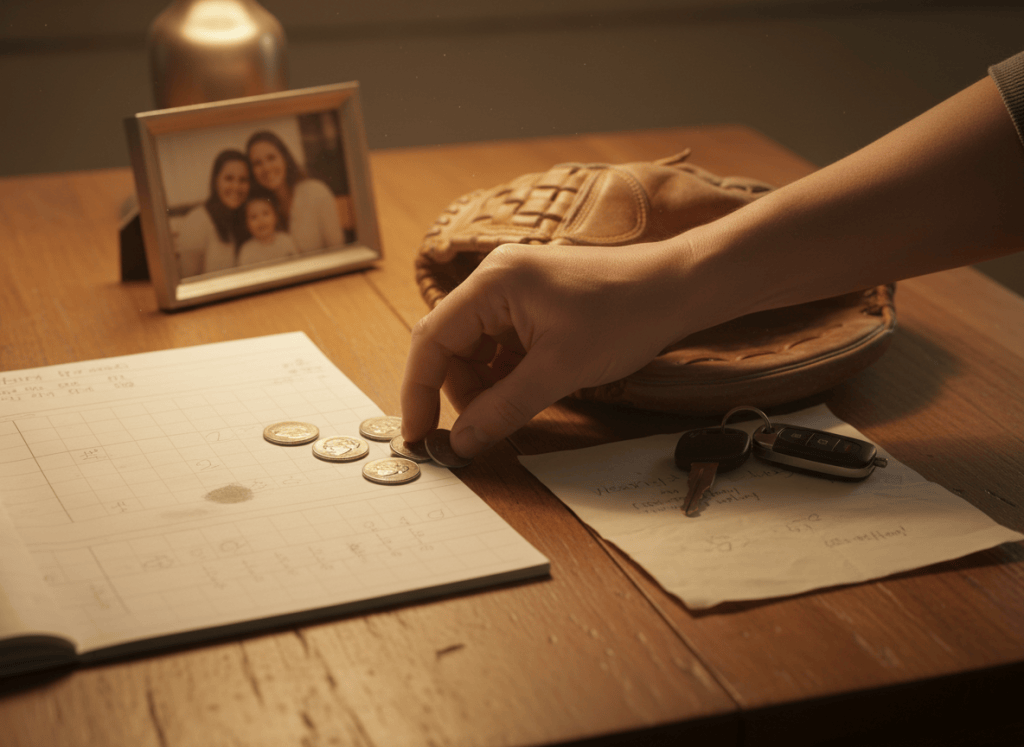
A handful of dimes lies beside homework, a baseball glove, and car keys on a family kitchen table.

An occasional spectacle can’t do the work of consistently dependable love. The biggest vacation of the year can’t replace the ordinary Tuesday when a child needs ten unhurried minutes. The perfect fatherly speech can’t substitute for becoming the kind of father whose everyday conduct has already said the same thing.

Perhaps that should relieve some of the pressure.

We don’t have to manufacture a defining memory every weekend. We don’t have to purchase every experience or turn every family outing into proof that we’re doing fatherhood correctly. We can stop waiting for the grand opportunity and become more faithful with the small ones already in our pockets.

Tonight may offer nothing more dramatic than a ride, a question, a practice, a joke, or a story we’ve heard before.

Pick up the dime.

Your child may never remember its denomination, but he will remember the weight.

Returning Is Not the Same as Going Back

Seconds before Céline Dion sang the first note of her first full concert in six years, the stage probably looked much like it always had. Lights. Musicians. A waiting crowd. A microphone in the place where a microphone belongs.

But six years were standing beside her.

Illness had interrupted the life she knew. The return required years of physical and vocal work, and the road was longer and rougher than she expected. When she finally began, she became so emotional that the audience had to help carry the opening song.

That’s the part the word “comeback” usually leaves out.

A singer stands beneath a spotlight in the silent moment before beginning a return concert.

Comeback is a clean word. It makes absence sound like an intermission. It suggests someone stepped away, handled a problem, and returned to the same stage as the same person, ready to pick up exactly where she left off.

Real life is seldom that tidy.

Illness changes the person inside the body. Grief changes the person who walks back into the house. Divorce changes the person who tries to trust again. Parenthood changes the person who returns to ambitions he once imagined pursuing without interruption.

Even good change has a cost. We don’t pass through six years—or six months, or one terrible week—and remain untouched.

For a long time, I thought rebuilding meant restoring. I imagined there was an earlier version of my life sitting somewhere intact, waiting for me to find the right road back to it. If I could recover the right habits, confidence, relationships, or sense of direction, perhaps everything would feel familiar again.

But rebuilding is not restoration when the original materials have changed.

A middle-aged Arkansas writer returns to an old manuscript at a desk shaped by years of family life and change.

When I returned to writing seriously, I was not retrieving some untouched version of myself who had merely been waiting for an available afternoon. I brought the years with me: work, fatherhood, disappointment, grief, mistakes, and questions I could not have written honestly before I had lived them.

Some of those experiences reduced me. They took confidence, energy, and certainty. I would not insult anyone’s pain by pretending every loss secretly arrives as a gift. Some things hurt because they are hard, and some absences remain absences.

Still, reduced capacity does not automatically mean a lesser life.

Sometimes the person who returns is better than the one who left—not because the suffering was good, but because he learned to stop wasting what is. He may be slower but more patient. Less certain but more honest. Less impressed by appearances and more grateful for ordinary days. He may finally know which promises deserve his strength and which expectations never did.

That is a better version, even if the measurements we usually celebrate cannot detect it.

The hard part is allowing the new person to build a life he can actually inhabit. We can exhaust ourselves trying to perform at an old pace, recreate an old relationship, recover an old identity, or prove the interruption did not change us. Sometimes healing begins when we quit treating change as evidence of failure.

A man enters a familiar room again, carrying the evidence of the life that changed him.

Returning may mean singing differently. Working differently. Parenting differently. Praying differently. It may require boundaries the former version of us never needed, gratitude he never understood, and the humility to accept help when the first note will not come.

A return is still worth celebrating. But not because it erased the years away.

It is worth celebrating because the person who lived through them stood in the light as he was—changed, grateful, uncertain, and willing to begin again.

You can return to the stage, the work, the faith, or the relationship—but you cannot return as the person who left.

Sometimes that is not the tragedy. It is the gift.

The Power of Asking the Right Questions

Two people can stand in the same kitchen, speak plain English, and understand almost none of each other.

One says, “Fine.”

The other hears, “The problem is settled.”

The first person may have meant, “I’m tired,” “I don’t feel safe explaining this,” or “You have already decided.” Both people know what fine means. Neither one knows what just happened.

The words were translated correctly.

The person was missed.

Two people stand apart in the same kitchen after their words fail to reach each other.

An email from ChatGPT recently promoted the ability to translate text, voices, and photographs, then use follow-up questions so the answer fits the moment. That is remarkable technology. But some of the most consequential translation failures happen between people who share a language, a workplace, a home, or even a last name.

The dictionary is nearly useless with certain sentences.

A child says, “I don’t care.” That may be indifference. It may also be fear posing as indifference because trying and failing would hurt more than pretending the thing never mattered.

As a father, I have not always heard the difference.

Sometimes I’ve answered the sentence instead of the child. I heard attitude and responded with correction. I heard laziness and gave a speech about effort. Maybe the correction was needed. Maybe the speech was true. But truth delivered to the wrong meaning still misses its target.

The better response is often a second question:

“When you say you don’t care, what do you mean?”

A father sits beside his teenage son, leaving enough room for the second answer to arrive.

Leadership has its own false translations.

An employee says, “I understand.” A manager may hear agreement, commitment, and a clear next step. The employee may only mean, “I understand that you are finished listening.”

That’s why it isn’t enough to ask whether someone understands. Ask what they believe the next step is. Ask what part still feels unclear. Inspecting what you expect is not only about numbers in a CRM. Sometimes it means checking whether the same conversation happened on both sides of the desk.

Salespeople learn this lesson every day—or they should.

“I need to think about it” can mean price. It can mean trust. It can mean embarrassment about money, fear of making a mistake, or a polite no. A bad salesperson translates the phrase into an objection to defeat. A better one asks, “What part would you like to think through?”

Not to trap the customer. To stop guessing.

A dealership manager sets his work aside and listens carefully to what an employee is actually trying to say.

Relationships are full of words that carry more than their definition. Later can be a promise or an escape. Respect can mean obedience to one person and consideration to another. Effort can mean intention, visible action, consistency, or sacrifice. I’m good can mean exactly that—or it can mean, “I don’t know how to ask you to stay.”

The danger here is mind-reading.

We should not treat every simple answer as a code to crack. Sometimes “fine” means fine. “No” still means no. Curiosity does not give us permission to replace another person’s words with the story we prefer.

The distinction is simple: mind-reading assigns a hidden meaning. Curiosity asks whether there is more meaning to hear.

I’ve been guilty of translating people into versions that were easier to manage. The child became an attitude problem. The employee became resistant. The customer became an objection. The person I loved became unreasonable.

Those translations saved time.

They also cost connection.

The second question is rarely efficient. It may extend the meeting, slow the sale, complicate the discipline, or reopen the conversation you hoped “fine” had ended. But people are not sentences to process. Listening is not finished when every word has been recognized.

A dictionary can tell you what the words mean. Real listening begins when you ask what the person meant.

Source: OpenAI Help Center, “ChatGPT Capabilities Overview”.

When Every Price Looks the Same, Trust Becomes the Only Discount

A customer opens six browser tabs.

Each one contains a similar truck, photographed from a slightly different angle, with nearly the same advertised price. By the sixth tab, he’s no longer comparison shopping. He’s taking an eye exam.

For years, the easiest way for a dealership to earn that first click was to display the lowest number. Whether that number survived further investigation was sometimes another matter.

Beginning October 1, Stellantis will limit how low its dealers can publicly advertise new vehicles. The policy is meant partly to stop stores from promoting rock-bottom prices built from discounts that most customers can’t actually receive. It applies to the advertisement, not necessarily the final deal.

That may make the first number more honest. It may also make competing offers look nearly identical.

A vehicle shopper comparing several nearly identical pickup-truck listings on a laptop.

I’ve spent enough years in dealerships to know how much attention we give that first number. We study clicks, leads, calls, traffic, and every measurable step between somebody seeing a vehicle online and walking through the door.

Price matters. Pretending otherwise would be dishonest, especially when families are trying to fit a vehicle into an already crowded budget.

But when every advertised price begins to resemble the one beside it, the number loses some of its power to separate one business from another.

Then the customer starts comparing everything around the number.

Did somebody return the call?

Was the trade value explained, or merely announced like a weather warning?

Did the advertised offer still make sense once the customer arrived?

Did the salesperson listen well enough to avoid making the customer repeat the entire story when the deal reached the finance office?

Did the final paperwork contain a last-minute plot twist?

A customer and dealership manager calmly reviewing a trade appraisal across a desk.

A business can manufacture friendliness. We can teach eye contact, provide scripts, improve the coffee, and remind everyone to use the customer’s name.

The coffee may even be drinkable someday. Faith requires optimism.

But friendliness and trust are not the same thing.

Trust is built when each person in the process tells the same story. It grows when the website, the phone conversation, the showroom discussion, the trade evaluation, and the final contract agree with one another.

That kind of consistency is harder to advertise in large red numbers.

It’s also harder for a competitor to copy.

A price can be changed in software before lunch. Credibility requires hundreds of boring repetitions: returned calls, clear explanations, promises recorded correctly, clean handoffs, and bad news delivered before the customer discovers it independently.

This is where the pricing change becomes a leadership lesson.

Every organization has an easy advantage it depends on. It may be price, location, inventory, a talented employee, a popular product, or a market that temporarily forgives weak habits. As long as that advantage keeps working, the business can avoid asking harder questions about the experience it provides.

Then the advantage disappears.

A customer receiving vehicle keys after a calm dealership delivery handoff.

When nobody can shout the lowest number, culture becomes louder.

The company that has treated trust as decoration will scramble for another slogan. The company that has built trust into its process will finally see what that work was worth.

Trust doesn’t make the vehicle cheaper. It reduces a different kind of cost—the uncertainty of wondering whether the deal will change, whether the call will be returned, or whether agreeing to the next step will produce another surprise.

That reduction in uncertainty has value.

Customers rarely expect perfection. Vehicles, trades, lenders, incentives, and human beings provide too many moving parts for that. What people want is confidence that the business will remain recognizable from one step to the next.

The same is true in leadership and relationships. When charm, leverage, or convenience stops carrying the interaction, consistency is what remains.

Price may earn the first click. It may even open the door.

But consistency is what closes the distance between an advertisement and a relationship.

Thursday Night Football and Shipping Containers

Months before the Los Angeles Rams crossed the Pacific, a shipping container was already making the trip.

Inside were game-day drinks, supplements, food, and supplies. The kind of things nobody in the stands would notice unless they are missing.

The NFL’s first regular-season game in Australia will be played under the lights at the Melbourne Cricket Ground. That is the part made for television: the uniforms, the crowd, the opening kick, and the announcer reminding us how far everybody traveled.

The less glamorous part began 218 days earlier.

The Rams had to move roughly 25,000 pounds of equipment in 90 trunks. Every trunk needed a manifest listing what was inside, what it was worth, and where it came from. Australian biosecurity rules meant the cleats had to arrive free of dirt, seeds, and grass. Somewhere, while the players prepared to play football, an equipment manager was scraping yesterday’s practice field from the bottom of somebody else’s shoes.

A shipping container carrying game-day supplies crosses the Pacific months before kickoff.

That may be the most honest picture of leadership I have seen in a while.

We like the visible moment. We celebrate the touchdown, the sale, the finished book, the family picture, and the number at the bottom of the report. We rarely ask who made sure the right cord, form, meal, key, or backup plan was in the room when the moment arrived.

The game isn’t won in the shipping container. The players still have to play. Preparation can’t guarantee an outcome.

But a great many things can be lost there.

An equipment manager removes every trace of dirt and grass before the cleats can clear customs.

At a dealership, the customer sees the delivery photo. He sees the clean vehicle, the keys in his hand, and the smile that gets posted online. He doesn’t see the inventory checks, the trade appraisal, the lender calls, the paperwork corrections, the detail department, the fuel, the insurance verification, or the person who caught the missing signature before it became tomorrow’s problem.

When those pieces work, the final moment looks easy. That’s the strange reward of good preparation: it often removes the evidence that it was necessary.

Leadership is not only performing well when the pressure arrives. It’s reducing the number of emergencies everyone else will have to survive. Pressure may reveal preparation, but it rarely replaces it.

Before the doors open, a dealership manager prepares the paperwork, keys, and vehicle behind the delivery photo.

Fatherhood contains the same invisible work. Children see Christmas morning, not the calendar, sacrifice, and quiet worry behind it. They see the uniform ready for practice, not who remembered to wash it. They see that somebody showed up, not the rearranged day that made showing up possible.

That doesn’t mean children owe us applause. Love becomes something uglier when every sacrifice is presented as an invoice. The point is not to make people feel guilty for enjoying the moment. The point is to respect the work required to make good moments dependable.

Writing is no different. A reader sees the finished essay, not the notes carried around, the weak opening deleted, or the paragraph that had to be rebuilt because it sounded better than it was true. The published piece is kickoff. Most of the real contest happened when nobody was watching.

There’s a temptation in responsible lives to resent that invisibility. We want somebody to notice the early morning, the second check, or the problem prevented so completely that it never became a story. Sometimes they will. Often they won’t.

Do the work anyway.

The crowd will remember who caught the pass. The customer will remember the keys. The child will remember the morning. But somewhere before each visible moment was a person nobody applauded—the one who packed what everybody else would need before they knew they needed it.


Source note: Inspired by Morning Brew’s reporting on the Rams’ Australia game and Sports Illustrated’s inside account of the team’s 15,000-mile operation.

Embracing Failure: Lessons from Ted Williams

I should be more consistent with writing. I don’t usually sit down and think of a particular topic to write about. Most of the time, it just comes to me. Just the other day, I was thinking about “failure.” I realized that many things I write about have failure as a central theme. I don’t consider myself an expert on anything, but if I were to bestow that title on myself in some regard, it would be “Master of Failing.”


To be honest, I’m not even mad about it. It took a while to learn, but once I figured out that failing was an important part of growing, I decided to embrace it. I’m not saying that I have never made the same mistake twice, but I feel like most of my failures are unique, and I use them to fuel growth and development.


I’ve been in the car business for almost 20 years. When you are a professional salesperson, failure is a constant factor. Even the best in the industry don’t sell to every customer they talk to. A GOOD salesperson should expect to close 30%- 35% of the customers they interact with. To put it in perspective, if a baseball player gets a hit one out of every three times he goes to the plate, he’s considered a Hall of Famer. Similarly, if a salesperson closes a sale with one out of every three customers, they’re doing exceptionally well.


That means that the best players in the game’s history fail two out of every three times they have an at-bat.


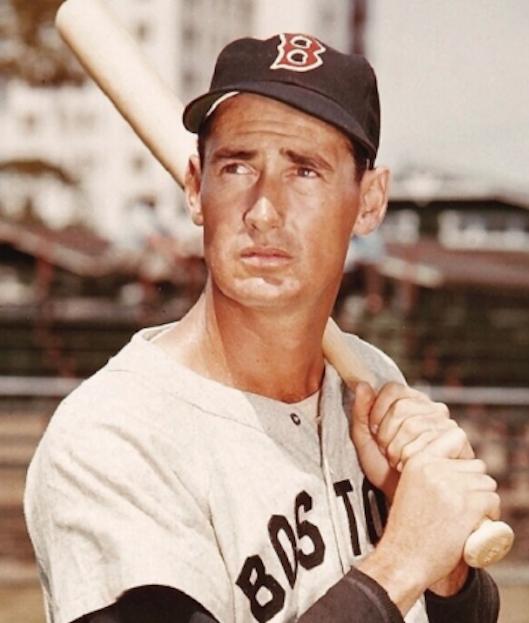
Today, I’m returning to 1941, when Ted Williams had arguably the best season at the plate in baseball history. He finished the ’41 season with a batting average of .406 with 37 home runs and 120 RBIs. To provide context, .200, the Mendoza line, is considered the low-end threshold for professional ball players. The average batting average of Hall of Famers is .303.


Williams played in 143 games that season and had 456 at-bats. But the breakdown of three particular stretches of that 1941 season interests me the most.


On April 30th, Williams entered the game hitting .462. Over the next four games, he hit .182, dropping his season average to .310.


By June 21st, he had battled his way back up to .415. But he only hit .318 over the next 21 games, dropping that average all the way down to .393.


His average peaked again at .413 during the heat of the pennant race in early September. But a .292 stretch over the next 17 games saw it drop right to the .400 mark near the end of the season. Entering the last day of the year, he was so close to the .400 mark that a bad day at the plate would have kept him from reaching that sacred number.


This is important because even though his season as a whole is considered extraordinary, not every day, or even week, was even considered average. But during those subpar stretches, Ted Williams didn’t panic. He didn’t change up his swing. He didn’t stay down in the dumps and stop coming to work. He showed up every day, stepped inside that chalk-outlined box, and did his job to the best of his abilities. And he let the chips fall where they may.


The most significant lesson I’ve learned about failure is that it’s interwoven into the fabric of success. It’s more about ‘fall, learn, grow’ than ‘pass or fail.’ These three unremarkable stretches of Ted Williams’ historic season wouldn’t impress anyone. But his resilience and determination during those times are just as, if not more, important than his successes.


We get so caught up in results that sometimes we lose focus on the processes. Instead of getting up and walking out of the pit of despair, we let ourselves get so deep that we can’t even climb out. We let our losses define us even though we may be on the cusp of a breakthrough. Our inactivity lets the tide sweep us back to the starting line when riding the wave will get us closer to our destination.


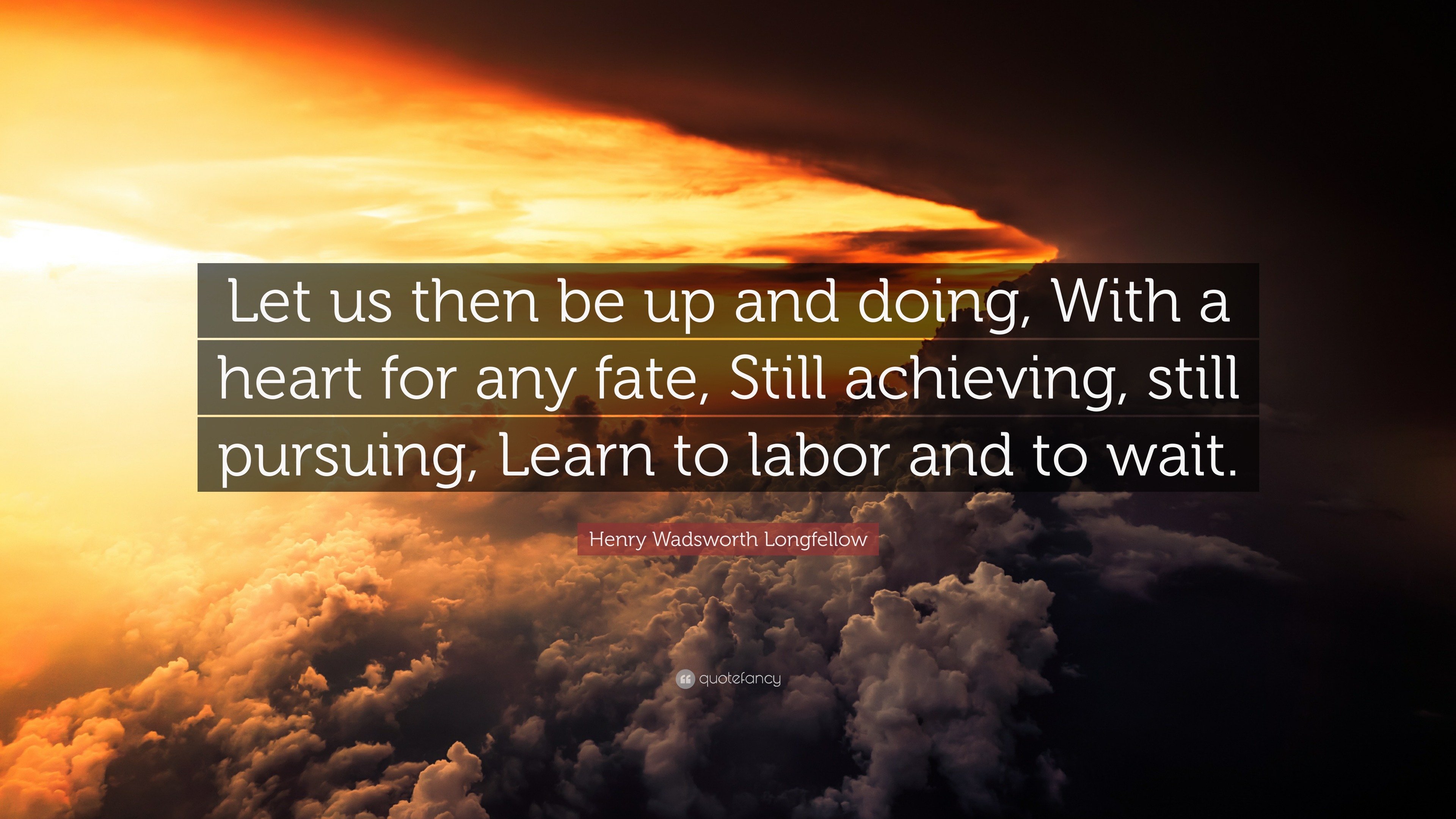
I used to tell kids when they’d ask me a question, “I wish I had it all figured out.” I don’t tell them that anymore because it isn’t true. I’m glad I don’t have it all figured out. My next failure is always right around the corner, and I’m excited to see what revelation it will lead to. I try (emphasis on “try” ) to be consistent and open-minded while keeping a positive attitude. In the words of the great poet Henry Longfellow: “Learn to labor and to wait.”


Show up. Stay the course. Keep your head high. Learn. Don’t quit. Don’t ever quit.

Clarity and the Responsibilities Which Come With It

As I sat in the pew every Sunday morning in church, I heard people pray for ‘clarity.’ As a kid, I didn’t understand what that meant. To me, life was simple—no responsibilities, no stakes. But as I grew older, I realized that clarity is one of life’s most sought-after yet elusive aspects. It’s what we crave when we’re faced with hard decisions and uncertain futures 

I’ve had many moments in my adult life where I did just that. All I wanted was a clear path to form before me. I’ve been faced with hard decisions and made tough choices without having enough information present. What I wouldn’t have given for an “eliminate the worst option” or “freeze time” card that could have helped me along the way. Or better yet, why can’t someone just make the RIGHT decision for me?

There is no proverbial light bulb that goes off. You don’t just scratch your head until you have your “aha” moment. Clarity comes when the tangled web of your experiences and your chaotic glimpse of the future magically line up. It’s when you know something must be done in a specific way or in a certain amount of time. In the sense I am writing about, clarity is seeing the best version of a particular part of your life and an actual path toward getting there.  It is more than just a moment of insight—it’s that instant when you know, without a doubt, what you need to do, whether it’s finally taking that job offer or walking away from a toxic relationship. 

This struggle and the challenge of its brother, hindsight, are not new; they’re as old as time, as seen in the story of Cain and Abel. We all know the story, and I believe that, more than anything, it is a vital allegory about personal responsibility. When Cain sees his brother’s treatment for his hard work and sacrifice, he realizes that he would be getting the same treatment if he had willfully performed the duties asked of him. We’ve all been there to a certain extent.

Imagine finding yourself at the bad end of a situation and then realizing YOU are the one to blame. Everything on the test was covered in class, but YOU didn’t study it. Your transmission goes out in your truck, but YOU blew your money instead of saving it. Your boyfriend breaks up with you because YOU didn’t take the time to learn how he needed to be loved.

Hindsight is 20/20, but clarity happens when you learn these things before it’s too late. Unfortunately, it’s not always as easy as studying for a test or saving money. The problems of life come with layers and complexity.

My grandma always said to be careful when praying for patience or courage because the Lord won’t just give it to you. You’ll have to earn it. He’ll give you opportunities to practice patience and put you in situations that allow you to be courageous. Those aren’t always the most popular places or events to be involved in. I’ve learned the same thing about clarity.

There is a sense of comfort and security in the ambiguity of the future. If you can’t tell what you COULD become, COULD obtain, or the relationships you COULD cultivate, then missing out on them doesn’t hurt. You never saw them and can’t lose what you never had. You can blame outside circumstances, timing, or many other things that are not in your control. You can easily avoid blaming yourself.

Clarity puts the responsibility squarely on your shoulders. It forces your decisions and actions to align with a target. Missing that target has tangible consequences. It requires you to be the best version of yourself so you can be ready to accept the blessings when they start pouring in. It means making multiple sacrifices in the present for what you will obtain in the future. This can be a tireless and trying task. It’s not the carrot at the end of a stick. It’s what awaits you after navigating through the labyrinth.  

Clarity is a powerful gift, but it’s also a call to action. It demands that we face the truth of our choices and take responsibility for our future. Whether we embrace it as a blessing or shy away from it in fear, clarity offers us a chance to shape our destiny. Either way, it’s one hell of a thing to experience. The question is: will we rise to the challenge?

Blades of Potential

Disclaimer: I always need to reiterate that if I write and publish it, I believe it. How we all apply it to our lives is the hard part. As much as I relate to these ideas, implementing them has sometimes been challenging. If this life can be “figured out,” I haven’t done it yet. Writing gets it from my brain to a place where I can think more clearly. Blog posts like this are a way to keep steering in the right direction.

I subscribe to a fantastic newsletter from Farnam Street called Brain Food. Here is the link if you want to sign up : https://fs.blog/newsletter/ The whole idea behind Farnam Street is to help you master the things that other people have already figured out. The weekly newsletter is a catalog of articles around the internet that help you see things through a different lens. A few months back, one of the feature articles reported from MIT on a study in which scientists were trying to figure out why razor blades were so easily damaged by hair.

If you’re like me, you’ve probably not thought much about the disposable nature of razors. More than likely, you buy a new pack when the old razors get dull. But when you think about it, it really is a bit odd that something made of stainless steel is damaged by something as soft as human hair. The article even mentions hair is 50 times weaker than steel, yet only a single piece can cause the edge to chip. Once one initial chip or crack is present, it becomes susceptible to more chipping, eventually causing the entire edge to become dull.

At this point in the article, I had an idea of what could cause the problem, but I wanted to read more to be sure. All I could think about was how our lives can be turned upside down, flipped around, and tossed about by small things that turn into big things. Sure, you can take a hammer to a razor blade and destroy it in a heartbeat, but more often, they get worn down over time until they eventually can’t work to their full potential. That sounds an awful lot like our lives as humans.

Here is a link to the article. Long story short, the team found three reasons that a blade could become more prone to chipping:

· The microstructure of the steel is not uniform

· The blade’s approaching angle to a strand of hair

· The presence of defects in the steel’s microstructure

I believe there are similar reasons we can become prone to “chipping” as well.

· Our foundation and governing principles are not uniform

· Our approach angle to our mundane, everyday tasks

· The presence of defects in our foundation (blind spots)

Developing our foundation and governing principles starts before we have any control over their creation. It begins with our genetics and parents, and over the years, other people come into our lives that help shape them as well. Friends, teachers, coaches, mentors–all have a huge role to play in our development. Eventually, we mature to a point where we begin to think independently, but our past relationships and experiences affect us in ways we couldn’t control, even if we wanted to.

Having different opinions on different topics is normal, but the things that we believe on a foundational basis are rarely if ever, changed. And if they are, you can bet it is a challenging process. When these principles are at odds with each other, they cause a rift, which leaves us as a prime target for internal conflict. “No man can serve two masters: for either he will hate the one and love the other, or else he will hold to the one and despise the other.” — Matthew 6:24-26

To remedy this, we must do some soul-searching and figure out what we TRULY believe. We must know who we are and be conscious enough to understand that we can’t fool ourselves. If our actions don’t align with what we believe, then there is no uniformity in our microstructure, and it’s only a matter of time before our foundation starts to crumble.

Those actions are the second reason we don’t reach our potential. We get so caught up in the “big” parts of our lives that the daily tasks and how we perform them get lost in the shuffle. Martha Beck coined the phrase, “How you do anything is how you do everything.” If she’s right, that is one of the most profound statements I’ve ever read.

Our life really is a whole bunch of little things done over and over again and sprinkled with the occasional “big” thing. A 75-year-old man may take 50 family vacations over the years, but he has dinner with his wife 18,250 times over that same period. Which one of those is more important at the end of his life? Doing the little things right can be tedious and mundane, but how we approach and attack them can make all the difference in the world. 

Just like a blade can have defects in its microstructure, we, too, can have defects in our foundation. These blind spots can give us a false sense of how our world works. The great Persian poet Rumi said it best: “Yesterday I was clever, so I wanted to change the world. Today, I am wise, so I am changing myself”.

The most significant defect in our foundation is denying the prospect that we could be wrong about something—or everything. When we refuse to entertain the possibility that our ideas can be tested–and even changed– we reject the opportunity to grow into our full potential. 

Razor blades are disposable. It would make little sense to inspect each one at a microscopic level or study the effects of each shaving session on the edges of the blade. Our lives, though–they are anything but disposable. The great news is that if we create a strong foundation within ourselves, become open to learning and growing, and embrace the importance of the small things with passion, we can grow closer to unlocking our full potential. It may not make the pages of an MIT research magazine, but it will help make our small circle of influence exponentially better. 

Shoot for the Moon…or Anywhere–Just Shoot

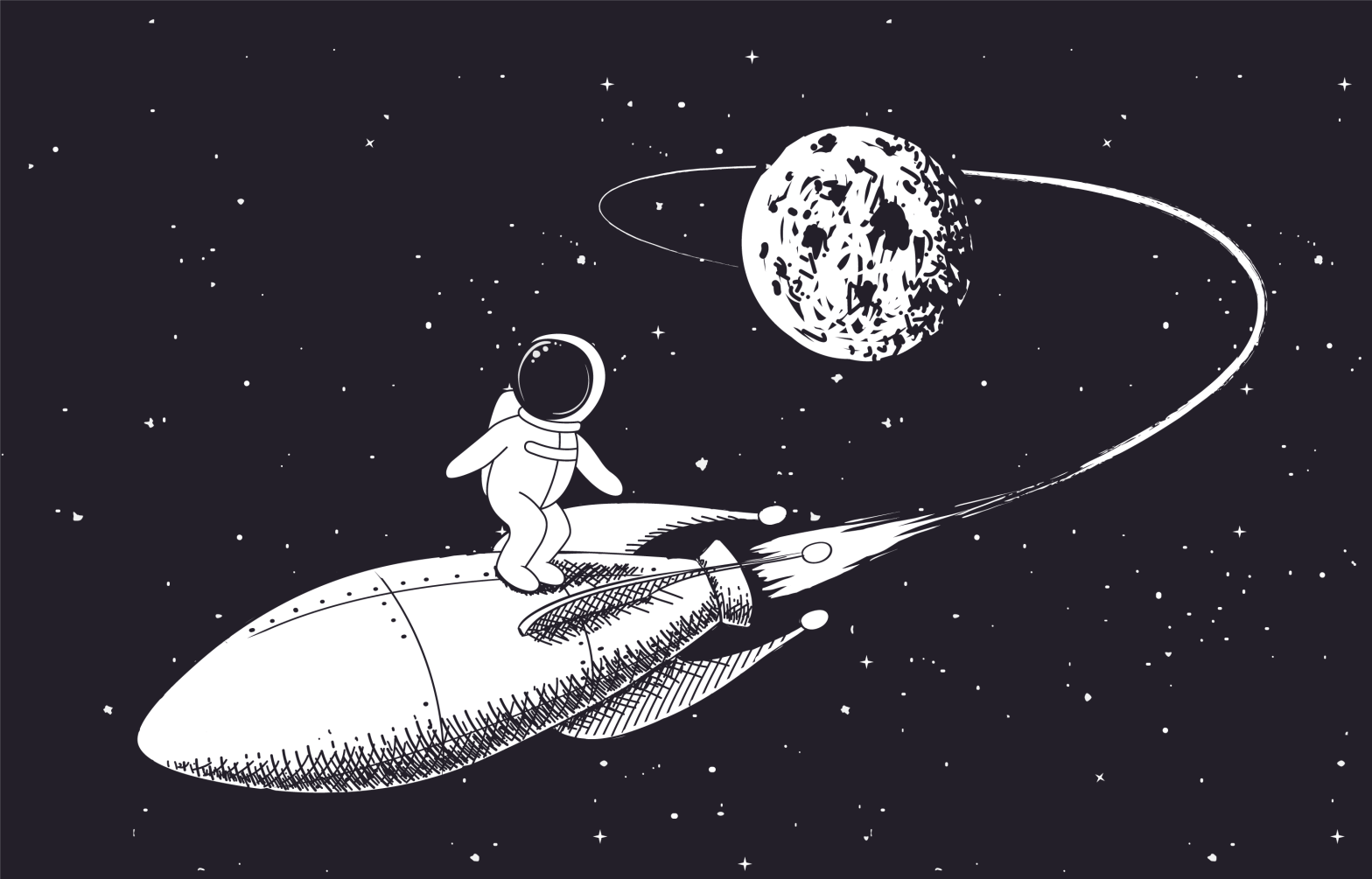
“Shoot for the moon. Even if you miss, you’ll land among the stars.” I think I heard that line a million times when I was growing up. If I’m not mistaken, it was actually the Senior motto of our graduating class (it “beat out,” another less appropriate phrase that everyone REALLY voted for). In practical terms, it means to set a goal, work towards it, and then let the results fall where they may. Assuming you work hard, you can be proud of whatever happens.

Okay. I get that. On the surface, it is a harmless little motivational whim that can make us all feel better about the randomness and injustices of life. But as I’ve gotten older (hopefully a little wiser), I’ve thought about this often. I’ve come to the conclusion that this quote is misguided. The problem is that no one ever talks about the how. What exactly does it mean to “work hard?” It shouldn’t be about the moon; it should be about the “shooting.”

The problem lies with the destination. If everyone is shooting at the same target, many people will definitely hit the mark. But how? Many variables are operating behind the scenes. Genetics, timing, upbringing, nationality, luck. Plenty will land on the moon in part or whole by inadvertently combining some of these factors, regardless of their work ethic or “shooting ability.”

On the flip side, many people who put in the time and effort to get there won’t. These same factors, and more, can be as big of a hindrance to them as it is helpful to someone else. Consider the haughty arrogance of someone who made it to the moon by chance. Now contrast that to the smothering defeat that could be felt by someone who “did everything right” but still fell short.

So if we can get to the moon by chance or, conversely, never get there despite our best efforts, then is the moon really a good thing to shoot for. I’d say yes. It provides a tangible goal to pursue—a prize to keep our eyes on. But I’d argue that the framework we put in place to get there is far more critical than that. As my boss has taught me over the years, “A goal without a plan is just a wish.”

Another cliché I’ve heard tossed about is, “It’s not about the destination, but the journey.” I like this one much better. The idea that the process along the way is more important than the actual destination appeals to me. It takes quite some time to get to the moon. What if your circumstance changes? What if something happens to the moon? What if you find something better to aim at?

The key is to take the time to develop a plan, tediously implement it, and hold yourself accountable for your effort daily. Even if you fall short of the moon, you’ll be better prepared to tackle your next trip than someone who arrived there by luck, chance, nepotism, et. You will continue building on the experience you’ve earned on your travels. In contrast, the latter person won’t be prepared to aim at their next target and will continue to depend on outside factors for their success. Or, they’ll decide to stay on the moon. It’s a big universe out there. Why stop there?

The beginning of a new year is the perfect time to sit down and figure out where you want to aim and set your trajectory. The moon is a popular destination, but another place could better serve our time, effort, and vision. How do we get there? That depends on way too many individual factors for me to be able to answer. But the plan, implementation, execution, and accountability will be the most essential factors in determining the quality of your journey. And if you can get those down, I promise it will be one hell of a trip…whatever you decide to shoot and wherever you happen to land.