Mitakpa–Impermanence

I recently read a book entitled “The Comfort Crisis” by Michael Easter. You can pick it up here if you are interested. It is a phenomenal read and beautifully puts into perspective the relative ease of our current lifestyles and the somewhat shocking problems that derive from it. It is overflowing with ideas to research outside of its covers and I’m sure this won’t be the only blog post I write thanks to the abundance of interesting topics it covers. But one topic, more than anything, really resounded with me, and that was the idea of mitakpa.

Mitakpa is a Tibetan word that roughly translates to impermanence in English. When I thought about it, I realized that I was almost certain I had ever used that word and wasn’t sure if I had ever seen it come up in text or conversation. I had a feeling I knew the jest of it, but I looked up the Dictionary.com definition of it just to be sure.

 noun

the fact or quality of being temporary or short-lived:
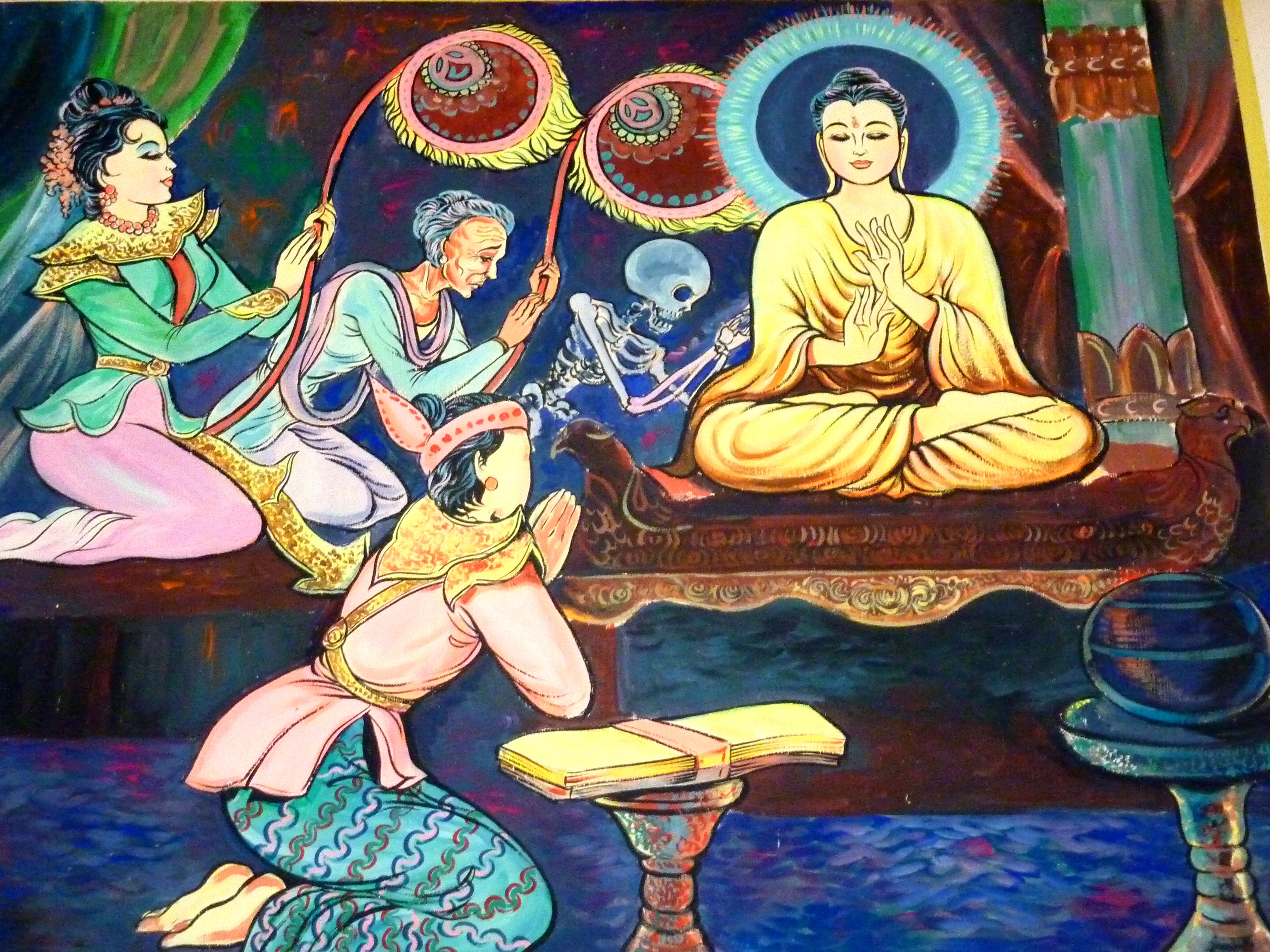
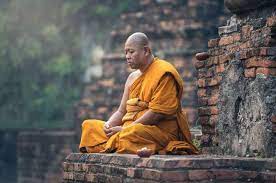
As taught by Buddhists, the idea of mitakpa is that everything born is subject to death and decay. They practice the concept by deliberately thinking about death and the dying process 3 times daily—once each in the morning, midday, and evening. You may be thinking what I was thinking when I read that. “Wow, what a miserable thing to do.” But when I learned how they expounded on that, it made a lot of sense both practically and philosophically.
They look at life as a journey towards a cliff in which everyone, inevitably, will walk off one day. It may be tomorrow, or it may be in 80 years, but one day it will happen. We have two choices regarding that cliff. We can either act like it isn’t there and be surprised when we find it, or we can acknowledge its existence and plan our course accordingly. It has real “one life to live” vibes but it hit me on a completely different level.

You can live a complete life without ever thinking about the cliff but imagine how differently you would chart your course if you made peace with the destination. I thought about who I was walking with, what we did along the way, and all the flowers I would regret not stopping and smelling on the way when I saw the cliff come into view.

I also thought about the people that chose to walk with me. Would they come to the end of their journey and wish they had walked with someone else? Was there something they wanted to stop and do along the way that I ignored while placing a higher priority on someone else? Good grief when you think about it, what an honor it would be for someone to choose to walk to the edge of that cliff with you. Am I doing everything imaginable to make their journey just as fulfilling as mine?

One great thing about youth is that, if you’re lucky, you don’t have to think about death very often. If luck continues to be on your side, you won’t have to deal with it much at all until you get older, more mature, and better capable of dealing with it properly. I was lucky on both counts but it seems as though my luck has finally caught up with me. I’ve now lost all my grandparents and recently just laid to rest my mother, who was 60.
My mom was still alive while I was reading “The Comfort Crisis,” but she wasn’t doing very well, and the thought of her potentially dying had begun to creep into my mind from time to time. I thought about her journey to the edge of the cliff and wondered if she had a fulfilling trip. I hoped she hadn’t experienced too many regrets and I prayed the time she spent with me was something that made her trip a little more enjoyable. I was also curious as to whether she could see the end or not and if she could, had she made peace with her journey? It comforts me to think that she did.

I don’t think about death 3 times a day as the monks do, but I do try to make a point to think about it from time to time. It takes me out of my comfort zone a little bit and helps keep me centered on the truly important things. I’m not an expert by any stretch of the imagination, but I do feel certain about one thing–life is a tremendous blessing and should be treated as such. I feel fortunate to be alive and healthy with no sign of my cliff in sight for the moment. When it finally does enter my horizon, I hope to greet it with a smile and walk off it with no regrets.
Marrying a Woman is Easy–Being a Husband Is Not

If you’re a man who just read this title expecting to find a shoulder to cry on because of your tough life then you are going to be in for a big disappointment. This is not a whine-fest. This is a reality check. Divorce rates are climbing at an alarming rate while family stability is falling even faster. A family doesn’t mean as much as it did 50 years ago. If you don’t believe me then just take a trip to Wal-Mart–back talking adolescents, half-naked teenage girls, abusive and angry young men. The downfall of the family doesn’t rest completely on the shoulders of men. However, if you think you are doing enough to keep your marriage together then you already have the wrong attitude.

impmarriage

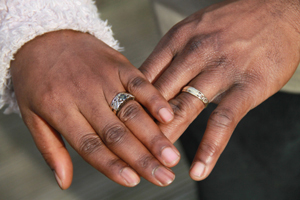
The first couple of years of my marriage were some of the best times of my life. We were young, madly in love, and eager to start our little family and embark on the American dream. We used to have couples tell us, “I wish we could be like you guys. Y’all are so happy and love each other so much.” Maybe hearing those things got to my head. Maybe people applauding me for being a good dad fertilized my subconscious ego. Maybe working 60 hours a week made me feel like a hero. One thing is for sure–I took my wife for granted over and over and over again. It’s all so clear to me now, but it could be too late for me. If you are still reading this, PLEASE KEEP READING. While I am trying to save my marriage, maybe you can take something from this to use in your own.

The word selfishness is ugly. We can be quick to throw it around when talking about other people, but the thought of characterizing ourselves as such rarely crosses our mind. I’m guilty. Now that I can look back objectively on the past, I cringe at how selfish I really was. I’ve never been a bad husband, but I’ve never been a good one either. I’ve been a good person, but that isn’t enough. When my wife would beg for my affection I would think, “What the heck? I already do this and this and this.” Guess what–it’s not enough. And the fact that I was thinking like that just confirms how selfish I was. I work like a dog. I spend time with my children. This is what I’m supposed to do, right? Yes–along with a host of other things.

IMG_5884

An apple a day keeps the doctor away. But an apple a day can also keep your wife happy. She needs these things from you every single day. You owe them to her as her husband. There may be days that you can get away without selling out to this idea. Don’t risk it! Man-up and remember why you married her in the first place.

Adoration

Protection

Provision

Leadership

Emotion

Adoration. “Frequent and devoted love.” That doesn’t mean you love her every now and then–love her all the time. Unconditionally. Telling her every day is important, but showing her daily is the key. Words lose their meaning if they don’t mesh with your actions. Holding her hand in public tells everyone else she is yours. Holding her hand when no one is watching tells her she is yours. Hug her tight. Kiss her often. Go to bed when she does. Make love to her. Leave her notes. Surprise her with flowers. The list is endless, but the point is to never let her question how deep your love is.

adore wife

Protection. “Preservation from injury or harm.” Would you stand in front of that bullet for her? You should, but it goes further than just physical protection. She gave you her heart on her wedding day and it is your responsibility to safely keep it in your possession. Don’t let addictions grab hold and strangle your relationship. Don’t put yourself in situations in which you may do something you regret. Take care of your body and mind and don’t let anything endanger her or your kids’ physical or emotional security. Pledge to keep her safe until you breathe your final breath.

Provision. “The providing of something, especially of food or other necessities.” This one is important but don’t fall into the trap that I did. It is your duty to make sure your wife and family are housed, fed, and provided with the things they need to accomodate the quality of life you promised them. Go to work every day and use her as your inspiration to perform well. She deserves the fruits of your labor. If you are out of work, swallow your pride and do what is necessary to keep the family afloat. Even if she works, the ultimate responsibility lies on your shoulders to provide financially. 

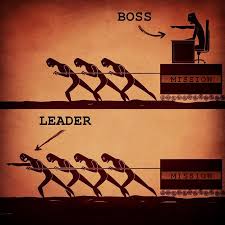
Leadership. “An act of leading; guidance; direction.” Did you notice there is nothing in that definition about being a boss? Guide your family and be the anchor that holds it steady through the rough times. Just as in providing, your wife has every right to share in the decision making process. As a husband you have the duty of establishing a concrete moral foundation for your family to stand on. Be strong and never waiver in the things in which you believe. Consult with her on everything and don’t shy away from making the tough decisions that are imminent over a long and healthy marriage. 

leader and boss

Emotion. “Any of the feelings of joy, sorrow, fear, hate, love, etc.” If you can’t be emotionally transparent with your wife, then you who can you share with the myriad of feelings that encompasses our lives. Laugh with her. Cry with her. Mourn, rejoice, and fume with her. Never let her have to question how or what you are feeling. Realize that she probably sees the world from a completely different angle than you do. Holding back your feelings and giving her nothing is one of the cruelest things you can do to someone you love. 

And here’s the kicker–you have to do all of these things. Every woman is different and you may have to focus more on one aspect than another. At some point, though, your wife is going to need all of these things from you. It’s a lot of work, but dang–is it not worth it? I’d give anything to retrace my steps and put these priciples into place. I never quit loving her but I did put my own satisfaction ahead of her happiness. Do you see the viscious cycle that causes? My short term happiness could potentially result in a lifetime of regret and unfulfillment.

regret

I can’t tell you how much better I feel about my life after I realizing how selfish I really was. If things don’t work out for me, at least I have made changes in my own life that will benefit me down the road. If the winds of fortune allow me another opportunity to prove my love, I will never, ever let it grasp through my hands. Please take the advice of a man whose whole life is hanging in the balance.