“Low hanging fruit” is one of those southern terms that I have heard so many times over the years that I never really thought about what it meant. The other day, though, I talked to my son about something significant, and I used the phrase. He asked me what it meant, and I had to stop for a minute and think. I have these moments from time to time, and I never seem to be prepared for them. I listened to plenty of great parenting advice, but no one ever told me they would ask so many innocent questions that were so hard to answer. But, like it tends to happen, the answer I came up with probably helped me more than it helped him.
For context, this particular son has been the target of bullying at school. We talk about it a lot, and he knows he can confide in his mom and me. For the most part, the bullying has been verbal. But, it’s hard to grasp the concept of sticks and stones at that age. I know how kids, specifically boys, can act. If your parents get involved with this, it can make the situation a whole lot worse than it already is—especially when the adults aren’t looking. I also believe that protecting your kids from things like this can be more detrimental to them than helping them find the tools they need to deal with them and overcome them.

He has always been a little socially awkward and mouthy—a deadly combination and the recipe for an easy target. We’ve gone to great lengths to try to cultivate a little bit of self-awareness in him. As unfortunate as it is for someone his age, other kids notice how you dress, talk, carry yourself, interact with others, etc. Not only do they see these things, but they seem to care way more than he does (which is not at all).
So, I explained that bullies like to go for the low-hanging fruit. “What does that mean, dad?”
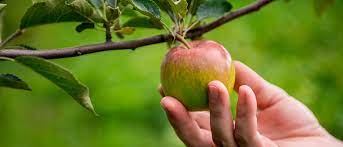
I stopped for a minute and thought about it. I first used the example of an apple tree. I asked him if he had to pick ten apples off of the tree, which ones would he choose. Of course, he said, the ones closest to the ground. “See, son, it’s just easier that way. The lower the fruit hangs, the easier it is to get it off of the tree, and bullies are always going to take the path of least resistance.” He gave me a slight nod and was hoping I would shut up. But, I didn’t—I thought about it some more.

I asked him if he thought the fruit at the top of the tree was more desirable, and I was surprised that he knew it was, and he even knew it was because they get more sunlight.
We talked about how apples were stuck on the tree and didn’t get to choose their positioning. But the great thing about our lives is that we can put ourselves in a position to receive more light. For my son, that means behaving in a way that makes adults and other students want to interact with him. More interactions mean more opportunities, which means more chances to learn and grow. Learning and growing continue to open more paths and avenues for further development.
Putting ourselves higher up on the tree not only gives us more sunlight but also prevents people from coming by and picking us off the limb. The longer we stay on the tree, the more we can remain green and continue to grow (credit my car business mentor for that one). If we fall off the tree before we are ready, we end up rotting on the ground or, even worse, food for farm animals.

Receiving extra sunlight and staying on the limb longer ultimately give us the chance to ripen on our terms. Instead of being plucked off by people looking for low-hanging fruit, we can continue to learn and grow until we are ready to fall off ourselves.
I only hope that my son got as much from this teaching moment as I did.
 Yelco State of Mind