Lessons from a Floating Forest: Roots and Change

Nearly one hundred trees crossed a lake without ceasing to be a forest.

That sentence sounds like the beginning of a fable, but it happened on Williston Lake in British Columbia. A densely wooded island—roughly 500 feet long and 250 feet wide—appeared where no island was marked on any map. Then it vanished. Days later, it surfaced nearly twenty miles away.

According to reporting from The Guardian, the mass likely formed over years as plants and trees grew through layers of woody debris along the shoreline. Their roots became intertwined. When unusually high water lifted the whole thing loose, the island didn’t immediately fall apart. It moved as a community.

The trees were still rooted. They just weren’t stationary.

A densely wooded floating island carrying mature trees across a broad northern lake beneath an overcast sky.
Nearly one hundred trees crossed a lake without ceasing to be a forest.

I think we confuse those two ideas more often than we realize, especially in small towns. We talk about being rooted as though it means staying in the same job, the same role, the same relationship, or the same patch of ground forever. Remaining becomes proof of character. Leaving begins to resemble betrayal.

I’m guilty of this notion. One of my favorite things to tell people is, “My family has been scattered up and down Highway 22 for over two hundred years.”

But roots have more than one purpose. Some anchor a tree to the soil. Others hold soil together. Sometimes they do both. On that island, the same roots that once attached the trees to a shoreline became the thing that allowed an entire living world to survive after the shoreline let go.

That distinction matters to me.

I was shaped by Dardanelle, by Carden Bottoms, by family stories, church language, hometown traditions, and the kind of people who believe showing up matters even when nobody applauds it. None of that disappears if my life changes shape. I can leave a position without abandoning the people who taught me how to work. I can enter a new chapter without pretending the earlier chapters were wasted.

Gratitude for where you have been does not require a lifetime contract with who you have been there with.

Intertwined tree roots binding soil, moss, and young plants together at the edge of moving water.
Roots can do more than anchor us. They can hold a world together.

Still, movement is not painless. The island on Williston Lake is not gliding across the water like some peaceful little vacation spot. Its edges are thin and shaky. Mature trees sway in the chop. It is exposed to wind, current, and forces it did not choose. Nobody knows exactly where it will settle or whether it will remain intact.

That sounds more like change as I know it.

We like to tell stories about brave departures after we already know they worked out. From the safe side of the outcome, every hard choice looks like courage. In the middle of it, movement often feels like instability. It can make a person question his judgment, his loyalty, and even his identity. The old ground may have been limiting, but at least it was ground.

Fatherhood has taught me another version of this. We spend years trying to give our children roots, knowing that healthy roots are supposed to help them grow beyond us. The goal is not to make them stationary. It’s to give them something portable: a work ethic, a faith, a family story, a way of treating people, and a clear path home. A child can move forward without leaving the family behind because the family has already traveled inside him.

Towns can travel that way too. Dardanelle goes with me in the phrases I use, the stories I tell, the way I measure a person, and the instinct to notice who showed up when things got hard. Carden Bottoms is not only a location on a map. It is a memory carried inside of many people.

A father and three children walking together along a rural Arkansas levee road at sunrise.
What matters can travel with us.

Faith, at its best, understands this. It does not always promise that the shoreline will remain beneath us. Sometimes it asks us to trust that what has been formed in us can survive a change in geography, title, season, or circumstance. The destination may be uncertain without the movement being wrong.

Maybe being rooted has less to do with refusing to move and more to do with knowing what must move with you. Your values. Your people. Your stories. Your faith. The pieces that keep you recognizable when the landscape changes.

Some roots hold you to a place. Others hold you together while you move.

The Real Difference: Charisma vs. Character

Some people can control a room beautifully but can’t be trusted alone with making a decision.

You’ve probably met one. They remember names, hold eye contact, tell a story at exactly the right moment, and make the people around them feel smarter and more hopeful than they did before they arrived. By the time the coffee cools, the room belongs to them.

That is a real ability. It’s also incomplete evidence.

Charisma answers one question: How do people feel while you are speaking? Character answers a harder one: What becomes true because they trusted you?

I’ve spent most of my adult life in sales and leadership, two places where charm has a scoreboard. Good communication matters. A customer should feel comfortable asking a question. An employee deserves a leader who can bring clarity and hope into a difficult day. Eye contact, timing, confidence, stories, and good questions can all be learned. Learning them is not dishonest. Warmth can be a genuine form of service.

But the appearance of care can be learned faster than responsibility.

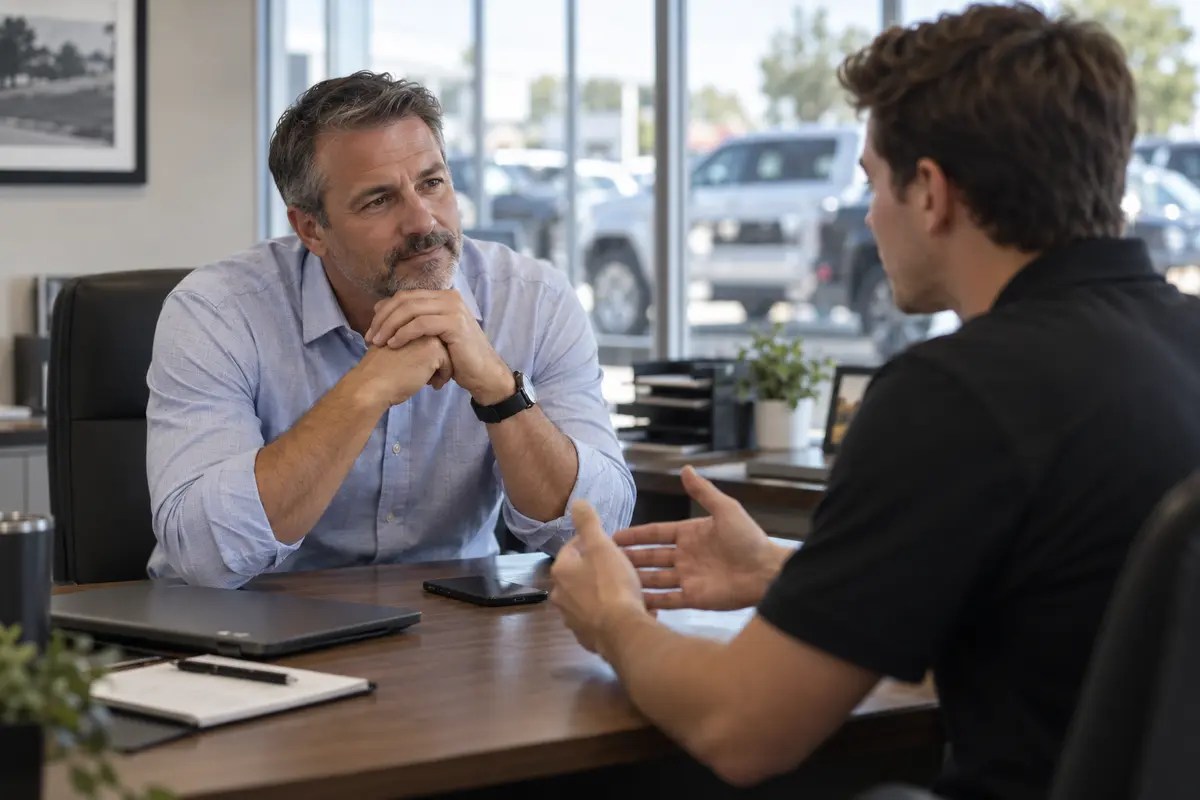
A warmly lit automobile showroom where a man speaks to an attentive group.

A salesperson can make a customer feel understood and still disappear when the paperwork is signed. A manager can fire up a room on Monday and avoid the truth when Friday brings bad news. A person can speak beautifully about faith and still use influence carelessly when there is no microphone nearby.

The same danger exists in relationships. It’s possible to know how to make another person feel special without knowing how to be honest, consistent, or responsible for the effect you have on them.

But charisma is not always a disguise.

I once dated a woman who had an unusual gift. Whoever she was speaking to—regardless of title, money, or station in life—felt like the most important person in the world. She listened in a way that made it seem as if the room had emptied around you.

That could have been charm alone. What convinced me otherwise came later.

Long after our relationship ended, she would reach out from time to time to ask how I was and remind me that she was still in my corner, rooting for me. There was nothing left to win. No audience. No advantage. Her care had outlived its usefulness.

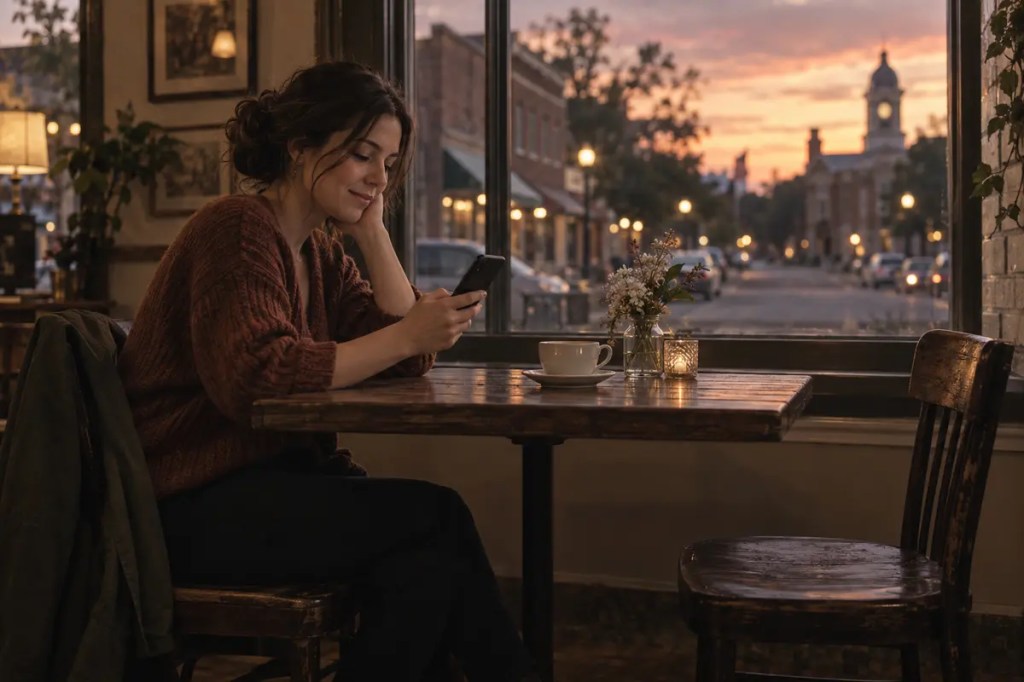
A woman sends a quiet check-in message from a café at dusk.

That doesn’t mean every relationship between two good people should continue. Goodness doesn’t erase incompatibility, history, or the need for boundaries. It simply means her warmth was not manufactured for a result. The attention she gave people was connected to something sturdier than technique.

Manufactured sincerity asks a question to find leverage. Genuine presence asks because the answer matters.

We should not become suspicious of every charismatic person. Cynicism can be as lazy as seduction. Some people are naturally gifted with presence; others work to communicate better. The skill itself is not the moral issue. Character decides what the skill serves.

The test usually comes after the impressive part is over. Was the promise kept? Was the bad news delivered honestly? Was the phone call returned when there was nothing else to sell? Did the leader protect the absent person, admit the expensive mistake, and restrain the power he could have used for himself?

Character leaves evidence outside the spotlight.

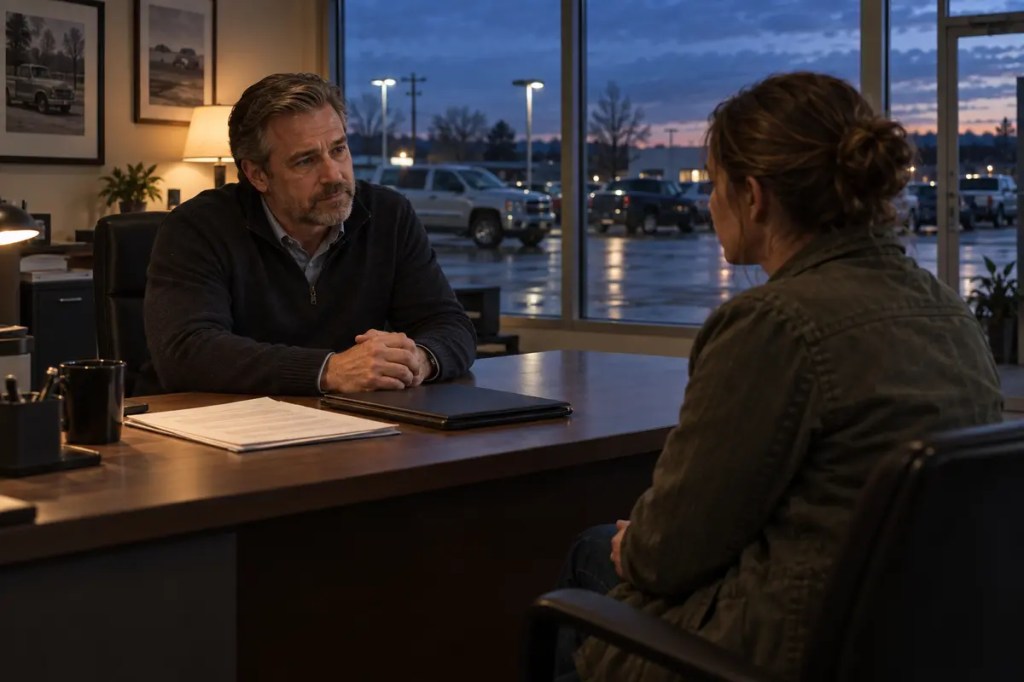
A manager has a quiet, honest conversation in an almost-empty dealership at dusk.

I know how easy it is to confuse a good response with proof of a good heart. A successful meeting, a relieved customer, an energized team, or a kind comment from a reader can all feel like confirmation. But being convincing and being worthy of belief are not the same accomplishment.

If I want to know what kind of person I am becoming, the better question is not whether people enjoyed hearing me speak. It’s whether my family, coworkers, customers, and friends are safer because I told them the truth and kept my word.

Charisma may open the door, but character decides what you do after you are invited inside.


Source note: Inspired by Deepstash Daily’s summary of Robert Greene’s The Art of Seduction.

The Power of Asking the Right Questions

Two people can stand in the same kitchen, speak plain English, and understand almost none of each other.

One says, “Fine.”

The other hears, “The problem is settled.”

The first person may have meant, “I’m tired,” “I don’t feel safe explaining this,” or “You have already decided.” Both people know what fine means. Neither one knows what just happened.

The words were translated correctly.

The person was missed.

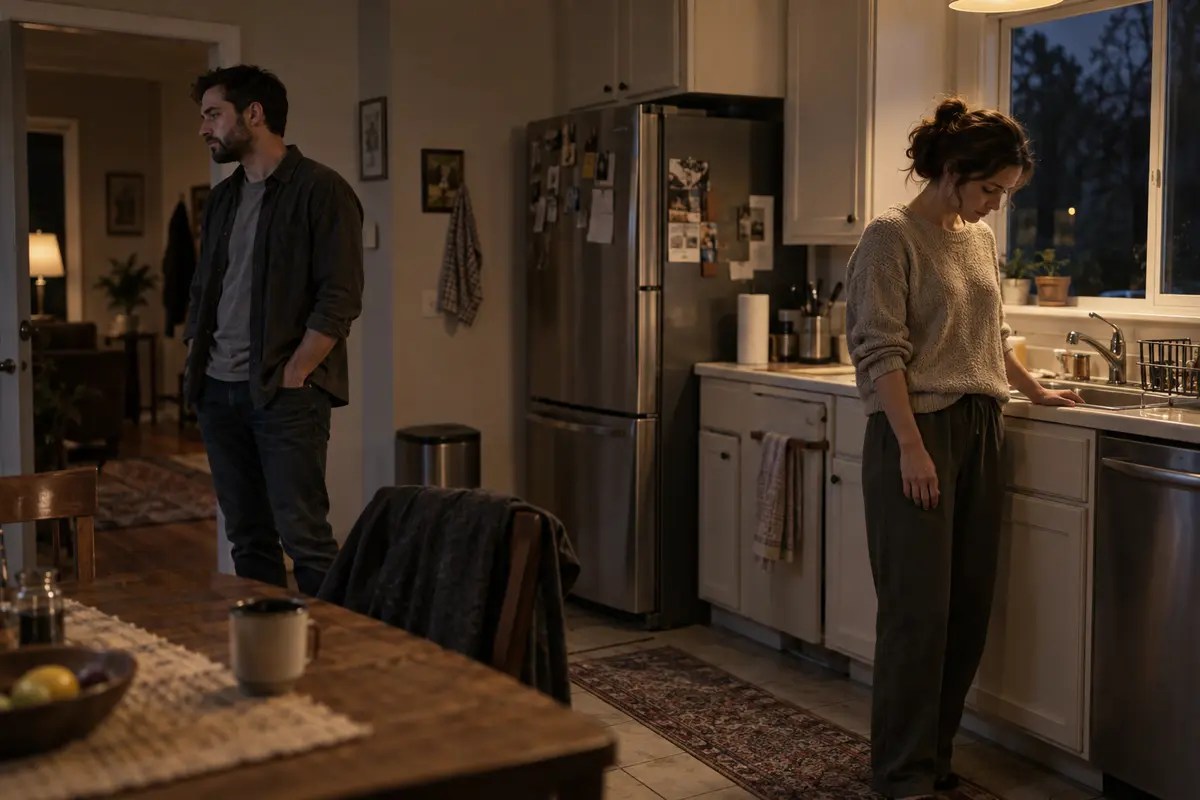
Two people stand apart in the same kitchen after their words fail to reach each other.

An email from ChatGPT recently promoted the ability to translate text, voices, and photographs, then use follow-up questions so the answer fits the moment. That is remarkable technology. But some of the most consequential translation failures happen between people who share a language, a workplace, a home, or even a last name.

The dictionary is nearly useless with certain sentences.

A child says, “I don’t care.” That may be indifference. It may also be fear posing as indifference because trying and failing would hurt more than pretending the thing never mattered.

As a father, I have not always heard the difference.

Sometimes I’ve answered the sentence instead of the child. I heard attitude and responded with correction. I heard laziness and gave a speech about effort. Maybe the correction was needed. Maybe the speech was true. But truth delivered to the wrong meaning still misses its target.

The better response is often a second question:

“When you say you don’t care, what do you mean?”

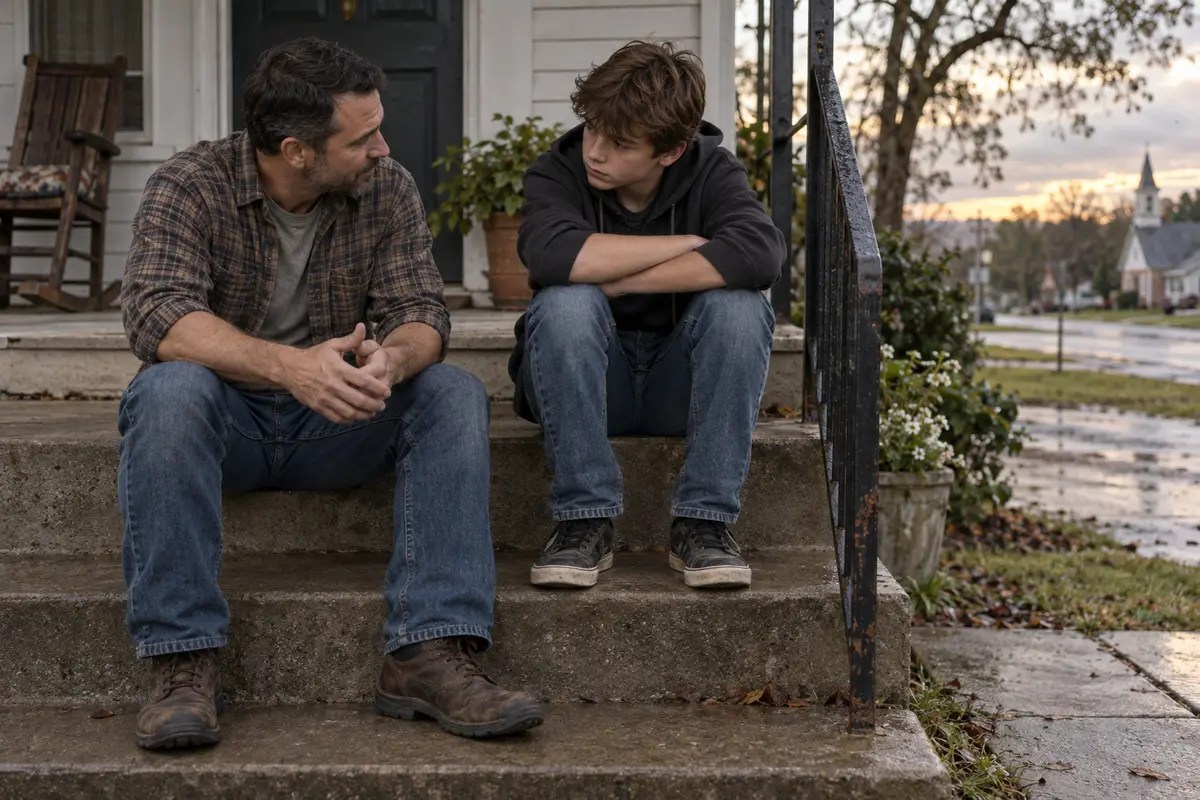
A father sits beside his teenage son, leaving enough room for the second answer to arrive.
Leadership has its own false translations.

An employee says, “I understand.” A manager may hear agreement, commitment, and a clear next step. The employee may only mean, “I understand that you are finished listening.”

That’s why it isn’t enough to ask whether someone understands. Ask what they believe the next step is. Ask what part still feels unclear. Inspecting what you expect is not only about numbers in a CRM. Sometimes it means checking whether the same conversation happened on both sides of the desk.

Salespeople learn this lesson every day—or they should.

“I need to think about it” can mean price. It can mean trust. It can mean embarrassment about money, fear of making a mistake, or a polite no. A bad salesperson translates the phrase into an objection to defeat. A better one asks, “What part would you like to think through?”

Not to trap the customer. To stop guessing.

A dealership manager sets his work aside and listens carefully to what an employee is actually trying to say.

Relationships are full of words that carry more than their definition. Later can be a promise or an escape. Respect can mean obedience to one person and consideration to another. Effort can mean intention, visible action, consistency, or sacrifice. I’m good can mean exactly that—or it can mean, “I don’t know how to ask you to stay.”

The danger here is mind-reading.

We should not treat every simple answer as a code to crack. Sometimes “fine” means fine. “No” still means no. Curiosity does not give us permission to replace another person’s words with the story we prefer.

The distinction is simple: mind-reading assigns a hidden meaning. Curiosity asks whether there is more meaning to hear.

I’ve been guilty of translating people into versions that were easier to manage. The child became an attitude problem. The employee became resistant. The customer became an objection. The person I loved became unreasonable.

Those translations saved time.

They also cost connection.

The second question is rarely efficient. It may extend the meeting, slow the sale, complicate the discipline, or reopen the conversation you hoped “fine” had ended. But people are not sentences to process. Listening is not finished when every word has been recognized.

A dictionary can tell you what the words mean. Real listening begins when you ask what the person meant.

Source: OpenAI Help Center, “ChatGPT Capabilities Overview”.

Don’t Let Your Child’s Dream Become Somebody Else’s Business Model

Eighty dollars once bought a season.

Eight thousand dollars now buys a year.

That was the contrast in a Morning Brew story about youth sports: one Florida parent remembered paying $80 for recreational sports during her childhood. She now spends about $8,000 each year on club baseball for her 12-year-old son.

Those aren’t identical experiences, of course. Recreational ball and club ball (or travel ball, round these parts) promise different things. That difference is where the business model lives.

Parents watch children play baseball beneath the lights of a modest small-town Arkansas ballfield.

I understand the parent’s side of it.

I am a father. I have watched my children play sports, and I know the desire to give them every honest chance. If one of them possesses real ability and the willingness to work, I don’t want money, geography, or my own hesitation to become the reason a door closes.

I also work in sales and marketing, so I know what happens when fear can be connected to a purchase.

Youth sports has found one of the most powerful fears a parent carries: What if my child could have become something, and I was the one who said no?

Once that fear takes hold, we are no longer buying a tournament, a private lesson, or another uniform. We’re buying protection from future blame. The next level always seems to sit behind another registration fee, another hotel weekend, another instructor, or another facility.

The Aspen Institute found that family spending on a child’s primary sport rose 46 percent from 2019 to 2024. Its researchers estimate that parents now spend more than $40 billion each year on youth sports. That does not include everything schools, municipalities, facilities, and sponsors spend around them.

There is too much money involved for parental anxiety to remain an accidental byproduct.

A parent watches a child train inside an expensive elite youth-sports facility filled with commercial signals.

This isn’t an argument against travel teams, serious coaching, or private instruction. Some children want the harder competition. Some coaches change lives. Good training can sharpen talent, build discipline, and introduce a child to opportunities that a small town can’t provide on its own.

The question is not whether the expensive option is always bad.

The question is who still owns the dream.

Is it the child who wants to play? Is it the parent who has invested enough money to need the sacrifice to mean something? Or is it the company promising that one more purchase will keep the future open?

The answer can change quietly.

A child begins with a glove, a ball, and the pleasure of getting better. Then adults add rankings, exposure, specialized training, highlight videos, travel calendars, and the language of scholarships. Eventually, a ten-year-old can feel responsible for producing a return on an investment he never asked anyone to make.

That’s too much weight for a game to carry.

Parents need to be honest about more than the bank account. We should notice whether our child still talks about playing or only about performing. We should ask whether the extra work belongs to his ambition or our anxiety. We should be willing to hear that a dream has changed without treating every dollar already spent as a contract he or she must keep honoring.

A father and child play catch alone on a simple local baseball field at sunset.

Supporting a dream sometimes costs real money. It also requires restraint. Every possible future cannot be purchased, and trying to buy them all can take something from the life the child is living now—rest, friendships, family time, freedom to try another sport, or the right to discover that this was something he loved but not something he wanted to become.

Aspiration is not the enemy. Neither is business. But when an industry profits from convincing parents that ordinary participation is failure, somebody has to protect the child from becoming the product.

A father’s job is not to purchase every possible future; it’s to keep the present game from being taken away from the child.

Sources: Morning Brew: “Youth Sports Brew”; Aspen Institute Project Play: Family spending rises 46%; Aspen Institute Project Play: Private equity and youth sports

Potential Has an Undefeated Record

There is a moment in writing when the work stops belonging only to you.

For a long time, the book was a collection of notes, half-finished ideas and sentences scattered across more files than any responsible adult should create. It was mine in the safest possible way. I could work on it when inspiration showed up, ignore it when life got loud and still tell myself I was writing a book.

Then I finished it.

That should have felt like relief. Instead, I stared at the file and realized finishing had created an entirely new problem.

Somebody else could read it now.

As long as the book remained unfinished, it could still be great. Not actually great, of course. Theoretical greatness is much easier. In my head, every unfinished chapter contained exactly the right words. Every joke landed. Every emotional moment struck the perfect balance between honest and self-indulgent. The imaginary reader closed the imaginary book and stared thoughtfully into the imaginary distance.

Reality is less cooperative.

A real reader can become bored. A real paragraph can fall flat. A real book can receive a very real shrug.

Potential has an undefeated record because potential never has to play the game.

The job you never apply for never rejects you. The person you never ask never says no. The business you never start never fails. The difficult conversation you never have never goes badly. The shot you never take cannot miss.

Of course, it cannot go in either.

That is the bargain we make when we protect our potential. We avoid one outcome by eliminating both.

I have always believed I was capable of more than my circumstances showed. That belief has helped me survive difficult seasons. It has also occasionally become a hiding place.

If the better career, finished book or improved version of myself remained somewhere in the future, I could keep believing it would be exceptional. Reality had not measured it yet. I was not failing. I was simply waiting for the right time, the right opportunity, the right energy or the right alignment of the planets.

Fear owns a surprising number of respectable outfits. Sometimes it dresses like preparation. Sometimes it calls itself patience. Sometimes it brings a legal pad, asks seventeen responsible questions and convinces us that one more round of thinking is the same thing as progress.

Preparation matters. Timing matters. Some decisions deserve patience.

But eventually we have to ask whether we are preparing to act or preparing an explanation for why we never did.

When I sent the manuscript to its first readers, I felt exposed in a way that surprised me. These were not strangers on the internet. They were people whose opinions mattered. They would see the seams. They would know where I had reached for something and missed it.

They might also find something useful.

That possibility only became available when I stopped protecting the other one.

The book is called A Nobody’s Guide to Self-Help. The title is partly a joke and partly a confession. I am not offering the wisdom of a man who conquered the world. I am offering a few landmarks from a man who has walked into enough holes to recognize some of them in the dark.

Writing it taught me something I probably should have learned sooner: evidence is less flattering than potential, but it is far more useful.

Evidence can be improved.

You can revise a bad paragraph. Learn from the interview you did not ace. Adjust the business after the first month. Recover from an awkward conversation. Practice the shot you missed.

Potential cannot be improved because it refuses to become anything.

So this is not a motivational demand to quit your job by lunch, empty your savings into a dream or confess your love to somebody who has made it very clear they would prefer you remain several counties away.

It is a smaller challenge.

Identify one thing you have kept safely theoretical. Then find the smallest honest action that would allow reality to touch it.

Send the email.

Submit the application.

Share the draft.

Ask the question.

Take the shot.

You may miss. I may too.

But undefeated is not the same thing as accomplished.

What part of your potential are you protecting from the possibility of becoming evidence?

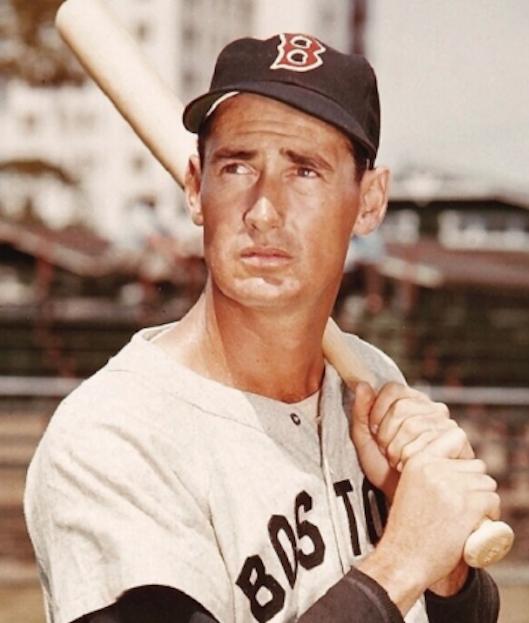
Embracing Failure: Lessons from Ted Williams

I should be more consistent with writing. I don’t usually sit down and think of a particular topic to write about. Most of the time, it just comes to me. Just the other day, I was thinking about “failure.” I realized that many things I write about have failure as a central theme. I don’t consider myself an expert on anything, but if I were to bestow that title on myself in some regard, it would be “Master of Failing.”


To be honest, I’m not even mad about it. It took a while to learn, but once I figured out that failing was an important part of growing, I decided to embrace it. I’m not saying that I have never made the same mistake twice, but I feel like most of my failures are unique, and I use them to fuel growth and development.


I’ve been in the car business for almost 20 years. When you are a professional salesperson, failure is a constant factor. Even the best in the industry don’t sell to every customer they talk to. A GOOD salesperson should expect to close 30%- 35% of the customers they interact with. To put it in perspective, if a baseball player gets a hit one out of every three times he goes to the plate, he’s considered a Hall of Famer. Similarly, if a salesperson closes a sale with one out of every three customers, they’re doing exceptionally well.


That means that the best players in the game’s history fail two out of every three times they have an at-bat.


Today, I’m returning to 1941, when Ted Williams had arguably the best season at the plate in baseball history. He finished the ’41 season with a batting average of .406 with 37 home runs and 120 RBIs. To provide context, .200, the Mendoza line, is considered the low-end threshold for professional ball players. The average batting average of Hall of Famers is .303.


Williams played in 143 games that season and had 456 at-bats. But the breakdown of three particular stretches of that 1941 season interests me the most.


On April 30th, Williams entered the game hitting .462. Over the next four games, he hit .182, dropping his season average to .310.


By June 21st, he had battled his way back up to .415. But he only hit .318 over the next 21 games, dropping that average all the way down to .393.


His average peaked again at .413 during the heat of the pennant race in early September. But a .292 stretch over the next 17 games saw it drop right to the .400 mark near the end of the season. Entering the last day of the year, he was so close to the .400 mark that a bad day at the plate would have kept him from reaching that sacred number.


This is important because even though his season as a whole is considered extraordinary, not every day, or even week, was even considered average. But during those subpar stretches, Ted Williams didn’t panic. He didn’t change up his swing. He didn’t stay down in the dumps and stop coming to work. He showed up every day, stepped inside that chalk-outlined box, and did his job to the best of his abilities. And he let the chips fall where they may.


The most significant lesson I’ve learned about failure is that it’s interwoven into the fabric of success. It’s more about ‘fall, learn, grow’ than ‘pass or fail.’ These three unremarkable stretches of Ted Williams’ historic season wouldn’t impress anyone. But his resilience and determination during those times are just as, if not more, important than his successes.


We get so caught up in results that sometimes we lose focus on the processes. Instead of getting up and walking out of the pit of despair, we let ourselves get so deep that we can’t even climb out. We let our losses define us even though we may be on the cusp of a breakthrough. Our inactivity lets the tide sweep us back to the starting line when riding the wave will get us closer to our destination.


I used to tell kids when they’d ask me a question, “I wish I had it all figured out.” I don’t tell them that anymore because it isn’t true. I’m glad I don’t have it all figured out. My next failure is always right around the corner, and I’m excited to see what revelation it will lead to. I try (emphasis on “try” ) to be consistent and open-minded while keeping a positive attitude. In the words of the great poet Henry Longfellow: “Learn to labor and to wait.”


Show up. Stay the course. Keep your head high. Learn. Don’t quit. Don’t ever quit.

Clarity and the Responsibilities Which Come With It

As I sat in the pew every Sunday morning in church, I heard people pray for ‘clarity.’ As a kid, I didn’t understand what that meant. To me, life was simple—no responsibilities, no stakes. But as I grew older, I realized that clarity is one of life’s most sought-after yet elusive aspects. It’s what we crave when we’re faced with hard decisions and uncertain futures 

I’ve had many moments in my adult life where I did just that. All I wanted was a clear path to form before me. I’ve been faced with hard decisions and made tough choices without having enough information present. What I wouldn’t have given for an “eliminate the worst option” or “freeze time” card that could have helped me along the way. Or better yet, why can’t someone just make the RIGHT decision for me?

There is no proverbial light bulb that goes off. You don’t just scratch your head until you have your “aha” moment. Clarity comes when the tangled web of your experiences and your chaotic glimpse of the future magically line up. It’s when you know something must be done in a specific way or in a certain amount of time. In the sense I am writing about, clarity is seeing the best version of a particular part of your life and an actual path toward getting there.  It is more than just a moment of insight—it’s that instant when you know, without a doubt, what you need to do, whether it’s finally taking that job offer or walking away from a toxic relationship. 

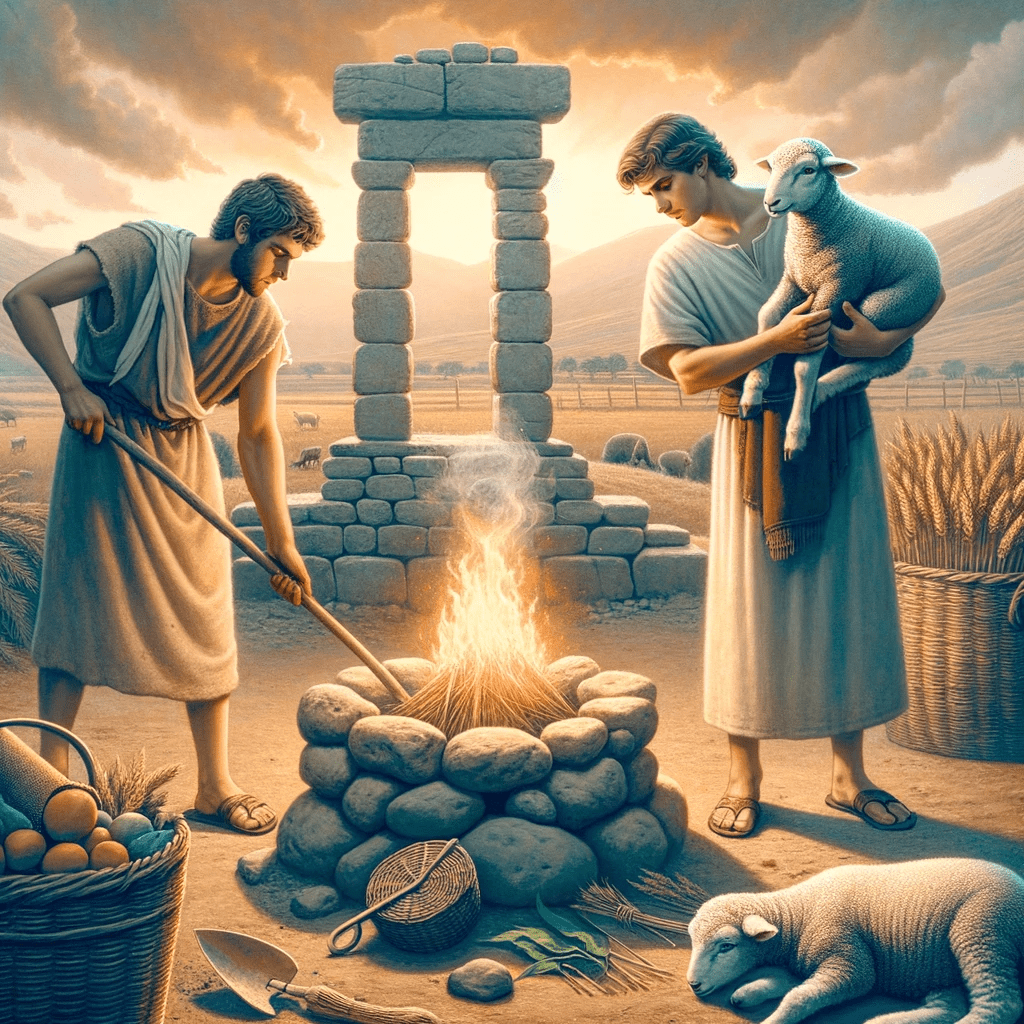
This struggle and the challenge of its brother, hindsight, are not new; they’re as old as time, as seen in the story of Cain and Abel. We all know the story, and I believe that, more than anything, it is a vital allegory about personal responsibility. When Cain sees his brother’s treatment for his hard work and sacrifice, he realizes that he would be getting the same treatment if he had willfully performed the duties asked of him. We’ve all been there to a certain extent.

Imagine finding yourself at the bad end of a situation and then realizing YOU are the one to blame. Everything on the test was covered in class, but YOU didn’t study it. Your transmission goes out in your truck, but YOU blew your money instead of saving it. Your boyfriend breaks up with you because YOU didn’t take the time to learn how he needed to be loved.

Hindsight is 20/20, but clarity happens when you learn these things before it’s too late. Unfortunately, it’s not always as easy as studying for a test or saving money. The problems of life come with layers and complexity.

My grandma always said to be careful when praying for patience or courage because the Lord won’t just give it to you. You’ll have to earn it. He’ll give you opportunities to practice patience and put you in situations that allow you to be courageous. Those aren’t always the most popular places or events to be involved in. I’ve learned the same thing about clarity.

There is a sense of comfort and security in the ambiguity of the future. If you can’t tell what you COULD become, COULD obtain, or the relationships you COULD cultivate, then missing out on them doesn’t hurt. You never saw them and can’t lose what you never had. You can blame outside circumstances, timing, or many other things that are not in your control. You can easily avoid blaming yourself.

Clarity puts the responsibility squarely on your shoulders. It forces your decisions and actions to align with a target. Missing that target has tangible consequences. It requires you to be the best version of yourself so you can be ready to accept the blessings when they start pouring in. It means making multiple sacrifices in the present for what you will obtain in the future. This can be a tireless and trying task. It’s not the carrot at the end of a stick. It’s what awaits you after navigating through the labyrinth.  

Clarity is a powerful gift, but it’s also a call to action. It demands that we face the truth of our choices and take responsibility for our future. Whether we embrace it as a blessing or shy away from it in fear, clarity offers us a chance to shape our destiny. Either way, it’s one hell of a thing to experience. The question is: will we rise to the challenge?

Strong Timber

There is a tree at work that I watch throughout the year. It sits slightly off the road, between the bank and the car lot, but closer to the bank. I’m not sure what type of tree it is, but I’ve spent a fair amount of time looking at it when I’m outside. 

I’m no dendrologist (I definitely had to Google that one), but it’s probably 30 years old. Many trees in our little town are more giant and more beautiful. In fact, I’ve probably driven by this one for most of my life without noticing it. But I’ve learned that the older I get, the more I see the little things.

I enjoy the changes it makes throughout the different seasons, from complete and green to bare and rugged. One year, I even spotted some mistletoe high up in the branches. Trees have long served as a reminder to us to let go, start fresh, and flourish.

And grow.

If you watch a tree every day, you can’t see it grow. You may notice a difference if you only see it once a year. If you only see it every ten years, it won’t be the same tree you remember initially seeing. 

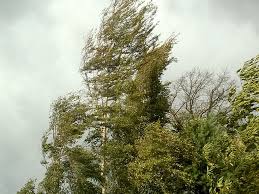
The other day, I was watching it and noticed the top swaying in the wind. It was the only portion of the tree moving, going back and forth briskly. I thought for a minute that it may even snap. The contrast it highlighted with the thick trunk and sturdy branches was noticeable. But then, it hit me.

Every other part of that tree had gone through a similar stage in its development. The rest of it was sturdy and stable because the wind and weather had tested it in the past. Either pass the test and become stronger, or let the weather snap you in two and prevent further growth. The biggest oaks and pines in the world are the ones that have weather the hardest, most frequent storms. 

And you can say the same thing about the strongest people. 

“Good timber does not grow with ease:

The stronger wind, the stronger trees;

The further sky, the greater length;

The more the storm, the more the strength.

By sun and cold, by rain and snow,

In trees and men good timbers grow.”

–Douglas Malloch

Shoot for the Moon…or Anywhere–Just Shoot

“Shoot for the moon. Even if you miss, you’ll land among the stars.” I think I heard that line a million times when I was growing up. If I’m not mistaken, it was actually the Senior motto of our graduating class (it “beat out,” another less appropriate phrase that everyone REALLY voted for). In practical terms, it means to set a goal, work towards it, and then let the results fall where they may. Assuming you work hard, you can be proud of whatever happens.

Okay. I get that. On the surface, it is a harmless little motivational whim that can make us all feel better about the randomness and injustices of life. But as I’ve gotten older (hopefully a little wiser), I’ve thought about this often. I’ve come to the conclusion that this quote is misguided. The problem is that no one ever talks about the how. What exactly does it mean to “work hard?” It shouldn’t be about the moon; it should be about the “shooting.”

The problem lies with the destination. If everyone is shooting at the same target, many people will definitely hit the mark. But how? Many variables are operating behind the scenes. Genetics, timing, upbringing, nationality, luck. Plenty will land on the moon in part or whole by inadvertently combining some of these factors, regardless of their work ethic or “shooting ability.”

On the flip side, many people who put in the time and effort to get there won’t. These same factors, and more, can be as big of a hindrance to them as it is helpful to someone else. Consider the haughty arrogance of someone who made it to the moon by chance. Now contrast that to the smothering defeat that could be felt by someone who “did everything right” but still fell short.

So if we can get to the moon by chance or, conversely, never get there despite our best efforts, then is the moon really a good thing to shoot for. I’d say yes. It provides a tangible goal to pursue—a prize to keep our eyes on. But I’d argue that the framework we put in place to get there is far more critical than that. As my boss has taught me over the years, “A goal without a plan is just a wish.”

Another cliché I’ve heard tossed about is, “It’s not about the destination, but the journey.” I like this one much better. The idea that the process along the way is more important than the actual destination appeals to me. It takes quite some time to get to the moon. What if your circumstance changes? What if something happens to the moon? What if you find something better to aim at?

The key is to take the time to develop a plan, tediously implement it, and hold yourself accountable for your effort daily. Even if you fall short of the moon, you’ll be better prepared to tackle your next trip than someone who arrived there by luck, chance, nepotism, et. You will continue building on the experience you’ve earned on your travels. In contrast, the latter person won’t be prepared to aim at their next target and will continue to depend on outside factors for their success. Or, they’ll decide to stay on the moon. It’s a big universe out there. Why stop there?

The beginning of a new year is the perfect time to sit down and figure out where you want to aim and set your trajectory. The moon is a popular destination, but another place could better serve our time, effort, and vision. How do we get there? That depends on way too many individual factors for me to be able to answer. But the plan, implementation, execution, and accountability will be the most essential factors in determining the quality of your journey. And if you can get those down, I promise it will be one hell of a trip…whatever you decide to shoot and wherever you happen to land.

Low Hanging Fruit

“Low hanging fruit” is one of those southern terms that I have heard so many times over the years that I never really thought about what it meant. The other day, though, I talked to my son about something significant, and I used the phrase. He asked me what it meant, and I had to stop for a minute and think. I have these moments from time to time, and I never seem to be prepared for them. I listened to plenty of great parenting advice, but no one ever told me they would ask so many innocent questions that were so hard to answer. But, like it tends to happen, the answer I came up with probably helped me more than it helped him.


For context, this particular son has been the target of bullying at school. We talk about it a lot, and he knows he can confide in his mom and me. For the most part, the bullying has been verbal. But, it’s hard to grasp the concept of sticks and stones at that age. I know how kids, specifically boys, can act. If your parents get involved with this, it can make the situation a whole lot worse than it already is—especially when the adults aren’t looking. I also believe that protecting your kids from things like this can be more detrimental to them than helping them find the tools they need to deal with them and overcome them.

He has always been a little socially awkward and mouthy—a deadly combination and the recipe for an easy target. We’ve gone to great lengths to try to cultivate a little bit of self-awareness in him. As unfortunate as it is for someone his age, other kids notice how you dress, talk, carry yourself, interact with others, etc. Not only do they see these things, but they seem to care way more than he does (which is not at all).

So, I explained that bullies like to go for the low-hanging fruit. “What does that mean, dad?”
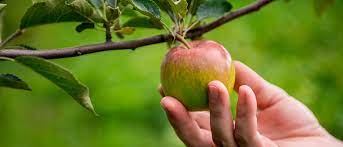
I stopped for a minute and thought about it. I first used the example of an apple tree. I asked him if he had to pick ten apples off of the tree, which ones would he choose. Of course, he said, the ones closest to the ground. “See, son, it’s just easier that way. The lower the fruit hangs, the easier it is to get it off of the tree, and bullies are always going to take the path of least resistance.” He gave me a slight nod and was hoping I would shut up. But, I didn’t—I thought about it some more.


I asked him if he thought the fruit at the top of the tree was more desirable, and I was surprised that he knew it was, and he even knew it was because they get more sunlight.

We talked about how apples were stuck on the tree and didn’t get to choose their positioning. But the great thing about our lives is that we can put ourselves in a position to receive more light. For my son, that means behaving in a way that makes adults and other students want to interact with him. More interactions mean more opportunities, which means more chances to learn and grow. Learning and growing continue to open more paths and avenues for further development.


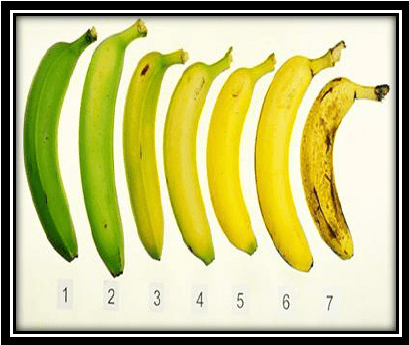
Putting ourselves higher up on the tree not only gives us more sunlight but also prevents people from coming by and picking us off the limb. The longer we stay on the tree, the more we can remain green and continue to grow (credit my car business mentor for that one). If we fall off the tree before we are ready, we end up rotting on the ground or, even worse, food for farm animals.

Receiving extra sunlight and staying on the limb longer ultimately give us the chance to ripen on our terms. Instead of being plucked off by people looking for low-hanging fruit, we can continue to learn and grow until we are ready to fall off ourselves.


I only hope that my son got as much from this teaching moment as I did.