The Science, no, Art of Letting Go 

Fall is here, and with it comes the clichés of starting over, shedding baggage, and embracing change. I usually shudder when I see something like that, yet here I am, clutching the moment and coming to realizations that are a long time in the making. Maybe there actually is something unique to the archetypical, long-standing arrangement between the 4 seasons.  

https://onlyinark.com/culture/top-8-fall-color-road-trips-in-arkansas/

For as long as I can remember, I have always felt like an analytical person. I usually perform best in structured environments where I know what to expect. If A, then B. Give me a checklist and what you expect from me, and you can almost bet I’ll produce. I really liked Math in school—once you figure out how to do it, you can always arrive at the correct answer.  

I realized a trend recently in my life. It seems as though I like the challenge of trying to figure out a way to apply structure and rigidity to things that don’t usually fit inside of a box. I tried this with the car business. No two people are the same, and no two car deals play out the same, either. I tried to eliminate all of the variables and create a process that worked the same every time. This isn’t a new thing in the industry, but I think I did it pretty well, and it was definitely my favorite aspect of the business.  

https://insights.dice.com/2019/09/20/mathematicians-list-hottest-job-titles/

I tried to do the same thing in my marriage. If I do this, this, and this, then surely that, that, and that will follow. It’s an excellent way to keep things predictable and stable for a short bit of time, but I don’t think that strategy would work in any marriage over the long haul.  

This year I have had to let go quite a bit—more than any other year to date. And, like most other things I have encountered in life, I subconsciously tried to deal with it from a scientific, or analytical, frame of mind. What I’ve learned is that letting go is no science at all. It is the art of all arts. 
https://www.insightsassociation.org/article/art-vs-science-market-research-battle-we-can-win-win

I never will forget a conversation I had with my dad while my mom was dying. We were near the end of her stint in a long-term rehab center, and I was frustrated because no one was giving me answers. I tried to get the doctor to call me for days and kept getting the run around from the nurses. Dad had mentioned something about them recommending hospice care, and the tone of his voice made me realize that he had seen the writing on the wall. This was the first time I had considered that my mom could die and probably was dying. He later told me something along the lines of, “I was wondering when you were going to accept that she was dying.”  

That only began the process of letting go of mom. I had spent months watching her health decline but always believed something would change and she would end up being okay. I always thought she would walk again. When we moved her to hospice, I had to change my whole frame of mind. A friend at work suggested that I “release her.” That I tell her that it’s okay for her to leave. So, I did. 

https://www.ewellnessmag.com/article/giving-the-final-gift-eleven-ways-to-help-a-dying-person-let-go

The night before she died, I kissed her on her forehead and told her how much I loved her. I brought the kids in one by one to say goodbye. I prayed with her and played her favorite song on the phone. She knew about the problems I was having in my marriage, so I assured her that whatever happened, I would be fine. I let her go. And then she died the following day.  

There was no scientific way to get there—just some advice from a good friend and a leap of faith. Letting her go lifted an emotional burden off my shoulders and I’m convinced it helped mom let go of her earthly body. It helped her end her suffering and enabled me to start the grieving process.  

I’ve also had to let go of marriage this year.  

https://www.powerofpositivity.com/marriage-worth-saving-or-time-to-let-go/

I felt like I had done everything on the checklist the right way. I thought I had killed all the baby dragons before they became big enough to come to burn down our home. I had sacrificed some happiness, emotional health, and a whole lot of time in exchange for stability and security. The only problem was I didn’t ask for any help when I made the checklist, and she had one of her own that I wasn’t taking care of. 

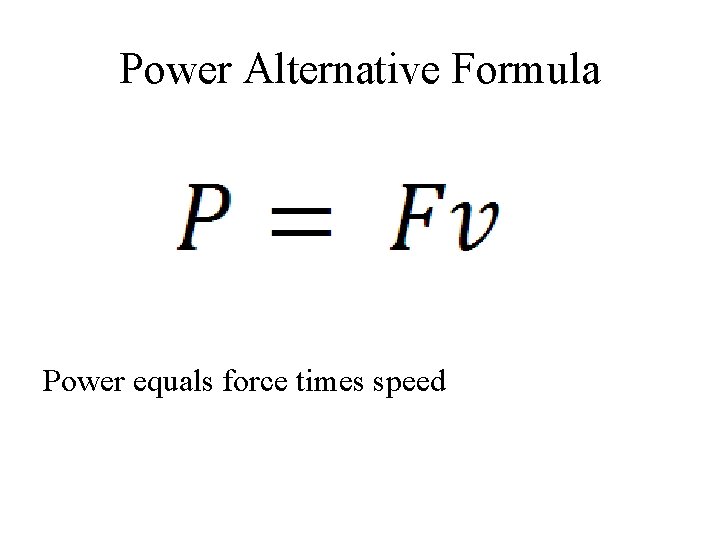
My analytical mind had told me that if I kept battling forward, eventually, the dam would break. Every time someone looking in from the outside told me that I needed to be done, it fueled me to keep trying that much harder. The harder I pushed, the further away from the prize I found myself. In the scientific world, force x speed = power. But in the realm of emotions, force x speed = distance created.
https://slidetodoc.com/lesson-5-4-power-essential-question-how-do/

I fought for a long time, too, man. I fought so much that I’m pretty sure I actually lost focus of what I was fighting for. I held on to principles, memories, and images of what I had envisioned for my life. I battled and battled because I felt like the kids deserved for us to be together. If I had gotten what I wanted, odds are we wouldn’t have been able to make it work anyway. Regardless, I fought hard—even though it was too late. At some point, I realized that I was only fighting for the sake of fighting. And the moment that crossed my mind, I let go.  

I don’t regret fighting. I can live with what happened, and the experiences learned will make me such a better partner the next time around. I left it all on the court, and even after the buzzer sounded, I stayed around and kept shooting. I was still there after the lights went out and the crowd emptied the building. It sharpened my skills and made me better, but eventually, you have to jump back into a new game.  

https://identity-mag.com/this-one-is-for-all-the-basketball-players-out-there/

For 38 years, I viewed “letting go” as if I were hanging from the side of a cliff, and to “let go” would mean a plummet straight toward the ground. Letting go is hard, and if you look at it through that lens, it is also scary and intimidating—free falling to your imminent death. 

But what I’ve learned this year, I hope everyone reading this will take away with them. Sometimes, what you are holding on to isn’t as sturdy as you think. When you let go, you take a burden off what you are holding on to—like my mom and my marriage. And sometimes, that fall doesn’t always mean certain death. While you’re falling, you can see the world around you from a different perspective. New possibilities bring themselves to light. New pathways provide highways for new journeys. You meet other people who have let go as well, and you can fall together. If you embrace the fall, it can become a beautiful experience. 

And maybe, if you’re lucky, you’ll even land on your feet. 

https://identity-mag.com/this-one-is-for-all-the-basketball-players-out-there/

Resentment is a Dead End Road

I like putting dictionary definitions in my blog posts. Sometimes I even look up familiar words on my own to get some bonus context from them. I’ll get these out of the way quickly:

resentment; noun
the feeling of displeasure or indignation at some act, remark, person, etc.

indignation; noun
strong displeasure at something considered unjust, offensive, insulting, or base

unjust; adjective
not just; lacking in justice or fairness

My simplified definition of resentment would have to be “the feeling of displeasure at an unfair act or person.” Of all the emotions I have ever experienced, this is the one that seems to do the most damage to relationships. I’ve seen it happen to others and have also witnessed it within myself. When I try to visualize what resentment would look like, I see a monstrous beast that sets its hook-like appendages into your heart. Once those hooks get placed, it’s challenging to be set free from its grasp.

I think there are many causes for resentment, but I’m going to narrow it down to three for this blog post. These are solely based on my experience, and, like always, I should note that I am not an expert on the matter—just a guy who has experienced some things and likes to share. I’m going to list the prominent three causes of resentment and offer ways in which you may be able to free yourself from it.

Unrealistic Expectations
Unless otherwise provoked, I believe most of us start any interaction with good intentions. My pastor, Mark Lykins, said something from the pulpit years ago that stuck—“Humans are bad judges by nature because we judge other people by their actions, but we judge ourselves by our intent.” I had never thought about it that way, but it makes a ton of logical sense. Removing our ego can help improve our interactions and relationships as well.

Try to imagine that everyone possesses a constantly changing hierarchical pyramid that controls their interactions. The tip of this pyramid would be the highest valued person, principle, or result at any given time. There may be scenarios in which you feel like your presence or your idea should be at the top of someone’s pyramid when something or someone supersedes it by no fault of their own. It would be arrogant for any of us to believe that we should be at the top of every pyramid all the time. But, if we feel like we should be a higher priority but get treated like we are not, resentment will almost surely set in.

So, how can we navigate this? Be aware of your ability to not live up to other people’s standards and make concessions for people who don’t live up to yours. Understand that life is complex and has many layers, and, as lovely as it would be, things don’t always line up in the way you want them to. Manage your expectations of others while demanding more of yourself.

Not Being Heard/Not Being Able to Speak

Have you ever been around a new mother when they hear their baby start to cry? Something innate in us causes us to cry out when we need something or feel unpleasant. There is also something deep inside that compels us to respond when we hear someone crying out. There are very few people who could walk away from a crying baby without batting an eye.

Most of us (hopefully) grow out of that stage where we wail at the top of our lungs until someone comes to our aid. But, that instinctual feeling to be heard never goes away. On the flip side, we tend to lose the empathetic nature we have for other people as they get older.

Babies aren’t emotionally mature enough to harbor resentment, but you don’t need me to tell you how damaging it can be to them when someone repeatedly ignores their cries. As we get older and develop our emotions and personalities, having someone shut you out can feel unjust and eventually strain relationships.

Similarly, feeling like you are unable to speak has the same effect. Maybe you don’t feel like you are qualified to vocalize your thoughts on a particular topic. Perhaps you are in an emotionally abusive relationship and feel like your opinion or idea doesn’t matter. Or maybe you are even paralyzed by the fear that what you say or how you say it may come across in an unintended manner. One thing is for sure—if you don’t say it, then they won’t hear it.

So how can you make sure these things don’t cause resentment to sink its ugly teeth in your heart? Firstly, you need to think about whether the things you are saying are essential enough to vocalize or if remaining silent may be a better option. A lot like managing your expectations, it can be arrogant to think that your voice holds more weight than anyone else’s. But, if you have decided that you must express your concern, then the pathway is simple—speak. If the other person refuses to hear you, firmly let them know that what you are saying is important and you need them to listen to you. It may be nerve-racking, but it beats the alternative.

Someone Taking Advantage of You

This one is tough for a couple of reasons. No one likes to be taken advantage of, especially when the person doing it is someone you care dear to you. It can be complicated to distinguish between someone consciously taking advantage of you and someone who may not realize they are doing anything at all. Either way, it is not a comfortable situation.

The unfortunate truth is that there are probably people in your circle who are so self-centered they will knowingly sacrifice their good relationship with you to further their agenda. I can’t speak for everyone, but I know I have dealt with those people in different parts of my life. Typically people like this are trained in the art of manipulation, and they can be hard to spot. Once spotted, though, it is usually an easy decision to create some distance between your life and theirs.

The other type is a lot harder to identify because they don’t even realize they are taking advantage of you and are ignorant of its impact on your relationship with them. It can also be intimidating when you think about confronting the person because often, they can be in your closest inner circle. And, if truth be told, part of the reason they get away with it is that you have enabled that kind of behavior for quite some time.

To me, this is the hardest of the bunch to nip in the bud before resentment takes hold. It is vital to voice your concerns to the other party, no matter how uncomfortable the situation may become. After all, most everyone would trade some minor discomfort to salvage a close relationship. After you speak to them about the issue, set some firm standards and boundaries for behavior that you feel is acceptable and not acceptable. Finally, make sure to be clear with the other party of the limits of your boundaries so you can both be on the same page.

When I make a post like this, I always feel the need to mention several times that I am not a professional. Please consult a therapist if you think resentment may be on the verge of costing you a special relationship. A year ago, I would have never dreamt that I would set foot in a psychiatrists’ office, but after many sessions, I can tell you that there is great value in talking to someone about your issues. The only thing I can tell you with certainty is that resentment and bitterness are hazardous emotions, and they can eat away at you from the inside out. It may start with the loss of a close friend or family member, but it has the potential to change your whole character and personality. I hope this helps someone!

Marrying a Woman is Easy–Being a Husband Is Not

If you’re a man who just read this title expecting to find a shoulder to cry on because of your tough life then you are going to be in for a big disappointment. This is not a whine-fest. This is a reality check. Divorce rates are climbing at an alarming rate while family stability is falling even faster. A family doesn’t mean as much as it did 50 years ago. If you don’t believe me then just take a trip to Wal-Mart–back talking adolescents, half-naked teenage girls, abusive and angry young men. The downfall of the family doesn’t rest completely on the shoulders of men. However, if you think you are doing enough to keep your marriage together then you already have the wrong attitude.

impmarriage

The first couple of years of my marriage were some of the best times of my life. We were young, madly in love, and eager to start our little family and embark on the American dream. We used to have couples tell us, “I wish we could be like you guys. Y’all are so happy and love each other so much.” Maybe hearing those things got to my head. Maybe people applauding me for being a good dad fertilized my subconscious ego. Maybe working 60 hours a week made me feel like a hero. One thing is for sure–I took my wife for granted over and over and over again. It’s all so clear to me now, but it could be too late for me. If you are still reading this, PLEASE KEEP READING. While I am trying to save my marriage, maybe you can take something from this to use in your own.

The word selfishness is ugly. We can be quick to throw it around when talking about other people, but the thought of characterizing ourselves as such rarely crosses our mind. I’m guilty. Now that I can look back objectively on the past, I cringe at how selfish I really was. I’ve never been a bad husband, but I’ve never been a good one either. I’ve been a good person, but that isn’t enough. When my wife would beg for my affection I would think, “What the heck? I already do this and this and this.” Guess what–it’s not enough. And the fact that I was thinking like that just confirms how selfish I was. I work like a dog. I spend time with my children. This is what I’m supposed to do, right? Yes–along with a host of other things.

IMG_5884

An apple a day keeps the doctor away. But an apple a day can also keep your wife happy. She needs these things from you every single day. You owe them to her as her husband. There may be days that you can get away without selling out to this idea. Don’t risk it! Man-up and remember why you married her in the first place.

Adoration

Protection

Provision

Leadership

Emotion

Adoration. “Frequent and devoted love.” That doesn’t mean you love her every now and then–love her all the time. Unconditionally. Telling her every day is important, but showing her daily is the key. Words lose their meaning if they don’t mesh with your actions. Holding her hand in public tells everyone else she is yours. Holding her hand when no one is watching tells her she is yours. Hug her tight. Kiss her often. Go to bed when she does. Make love to her. Leave her notes. Surprise her with flowers. The list is endless, but the point is to never let her question how deep your love is.

adore wife

Protection. “Preservation from injury or harm.” Would you stand in front of that bullet for her? You should, but it goes further than just physical protection. She gave you her heart on her wedding day and it is your responsibility to safely keep it in your possession. Don’t let addictions grab hold and strangle your relationship. Don’t put yourself in situations in which you may do something you regret. Take care of your body and mind and don’t let anything endanger her or your kids’ physical or emotional security. Pledge to keep her safe until you breathe your final breath.

Provision. “The providing of something, especially of food or other necessities.” This one is important but don’t fall into the trap that I did. It is your duty to make sure your wife and family are housed, fed, and provided with the things they need to accomodate the quality of life you promised them. Go to work every day and use her as your inspiration to perform well. She deserves the fruits of your labor. If you are out of work, swallow your pride and do what is necessary to keep the family afloat. Even if she works, the ultimate responsibility lies on your shoulders to provide financially. 

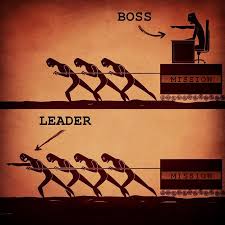
Leadership. “An act of leading; guidance; direction.” Did you notice there is nothing in that definition about being a boss? Guide your family and be the anchor that holds it steady through the rough times. Just as in providing, your wife has every right to share in the decision making process. As a husband you have the duty of establishing a concrete moral foundation for your family to stand on. Be strong and never waiver in the things in which you believe. Consult with her on everything and don’t shy away from making the tough decisions that are imminent over a long and healthy marriage. 

leader and boss

Emotion. “Any of the feelings of joy, sorrow, fear, hate, love, etc.” If you can’t be emotionally transparent with your wife, then you who can you share with the myriad of feelings that encompasses our lives. Laugh with her. Cry with her. Mourn, rejoice, and fume with her. Never let her have to question how or what you are feeling. Realize that she probably sees the world from a completely different angle than you do. Holding back your feelings and giving her nothing is one of the cruelest things you can do to someone you love. 

And here’s the kicker–you have to do all of these things. Every woman is different and you may have to focus more on one aspect than another. At some point, though, your wife is going to need all of these things from you. It’s a lot of work, but dang–is it not worth it? I’d give anything to retrace my steps and put these priciples into place. I never quit loving her but I did put my own satisfaction ahead of her happiness. Do you see the viscious cycle that causes? My short term happiness could potentially result in a lifetime of regret and unfulfillment.

regret

I can’t tell you how much better I feel about my life after I realizing how selfish I really was. If things don’t work out for me, at least I have made changes in my own life that will benefit me down the road. If the winds of fortune allow me another opportunity to prove my love, I will never, ever let it grasp through my hands. Please take the advice of a man whose whole life is hanging in the balance.