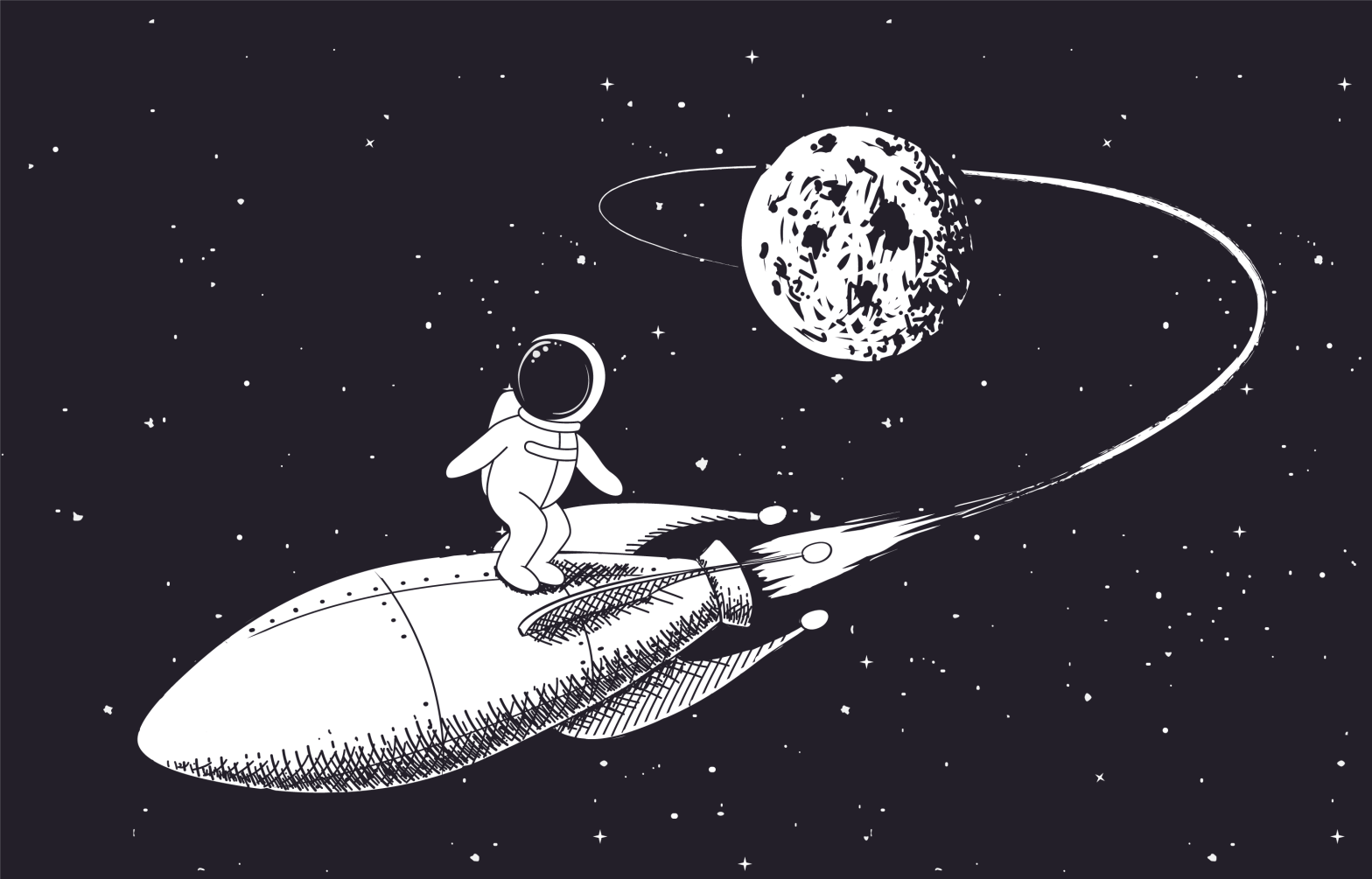
“Shoot for the moon. Even if you miss, you’ll land among the stars.” I think I heard that line a million times when I was growing up. If I’m not mistaken, it was actually the Senior motto of our graduating class (it “beat out,” another less appropriate phrase that everyone REALLY voted for). In practical terms, it means to set a goal, work towards it, and then let the results fall where they may. Assuming you work hard, you can be proud of whatever happens.
Okay. I get that. On the surface, it is a harmless little motivational whim that can make us all feel better about the randomness and injustices of life. But as I’ve gotten older (hopefully a little wiser), I’ve thought about this often. I’ve come to the conclusion that this quote is misguided. The problem is that no one ever talks about the how. What exactly does it mean to “work hard?” It shouldn’t be about the moon; it should be about the “shooting.”
The problem lies with the destination. If everyone is shooting at the same target, many people will definitely hit the mark. But how? Many variables are operating behind the scenes. Genetics, timing, upbringing, nationality, luck. Plenty will land on the moon in part or whole by inadvertently combining some of these factors, regardless of their work ethic or “shooting ability.”
On the flip side, many people who put in the time and effort to get there won’t. These same factors, and more, can be as big of a hindrance to them as it is helpful to someone else. Consider the haughty arrogance of someone who made it to the moon by chance. Now contrast that to the smothering defeat that could be felt by someone who “did everything right” but still fell short.

So if we can get to the moon by chance or, conversely, never get there despite our best efforts, then is the moon really a good thing to shoot for. I’d say yes. It provides a tangible goal to pursue—a prize to keep our eyes on. But I’d argue that the framework we put in place to get there is far more critical than that. As my boss has taught me over the years, “A goal without a plan is just a wish.”
Another cliché I’ve heard tossed about is, “It’s not about the destination, but the journey.” I like this one much better. The idea that the process along the way is more important than the actual destination appeals to me. It takes quite some time to get to the moon. What if your circumstance changes? What if something happens to the moon? What if you find something better to aim at?

The key is to take the time to develop a plan, tediously implement it, and hold yourself accountable for your effort daily. Even if you fall short of the moon, you’ll be better prepared to tackle your next trip than someone who arrived there by luck, chance, nepotism, et. You will continue building on the experience you’ve earned on your travels. In contrast, the latter person won’t be prepared to aim at their next target and will continue to depend on outside factors for their success. Or, they’ll decide to stay on the moon. It’s a big universe out there. Why stop there?
The beginning of a new year is the perfect time to sit down and figure out where you want to aim and set your trajectory. The moon is a popular destination, but another place could better serve our time, effort, and vision. How do we get there? That depends on way too many individual factors for me to be able to answer. But the plan, implementation, execution, and accountability will be the most essential factors in determining the quality of your journey. And if you can get those down, I promise it will be one hell of a trip…whatever you decide to shoot and wherever you happen to land.

 Yelco State of Mind