Clarity and the Responsibilities Which Come With It

As I sat in the pew every Sunday morning in church, I heard people pray for ‘clarity.’ As a kid, I didn’t understand what that meant. To me, life was simple—no responsibilities, no stakes. But as I grew older, I realized that clarity is one of life’s most sought-after yet elusive aspects. It’s what we crave when we’re faced with hard decisions and uncertain futures 

I’ve had many moments in my adult life where I did just that. All I wanted was a clear path to form before me. I’ve been faced with hard decisions and made tough choices without having enough information present. What I wouldn’t have given for an “eliminate the worst option” or “freeze time” card that could have helped me along the way. Or better yet, why can’t someone just make the RIGHT decision for me?

There is no proverbial light bulb that goes off. You don’t just scratch your head until you have your “aha” moment. Clarity comes when the tangled web of your experiences and your chaotic glimpse of the future magically line up. It’s when you know something must be done in a specific way or in a certain amount of time. In the sense I am writing about, clarity is seeing the best version of a particular part of your life and an actual path toward getting there.  It is more than just a moment of insight—it’s that instant when you know, without a doubt, what you need to do, whether it’s finally taking that job offer or walking away from a toxic relationship. 
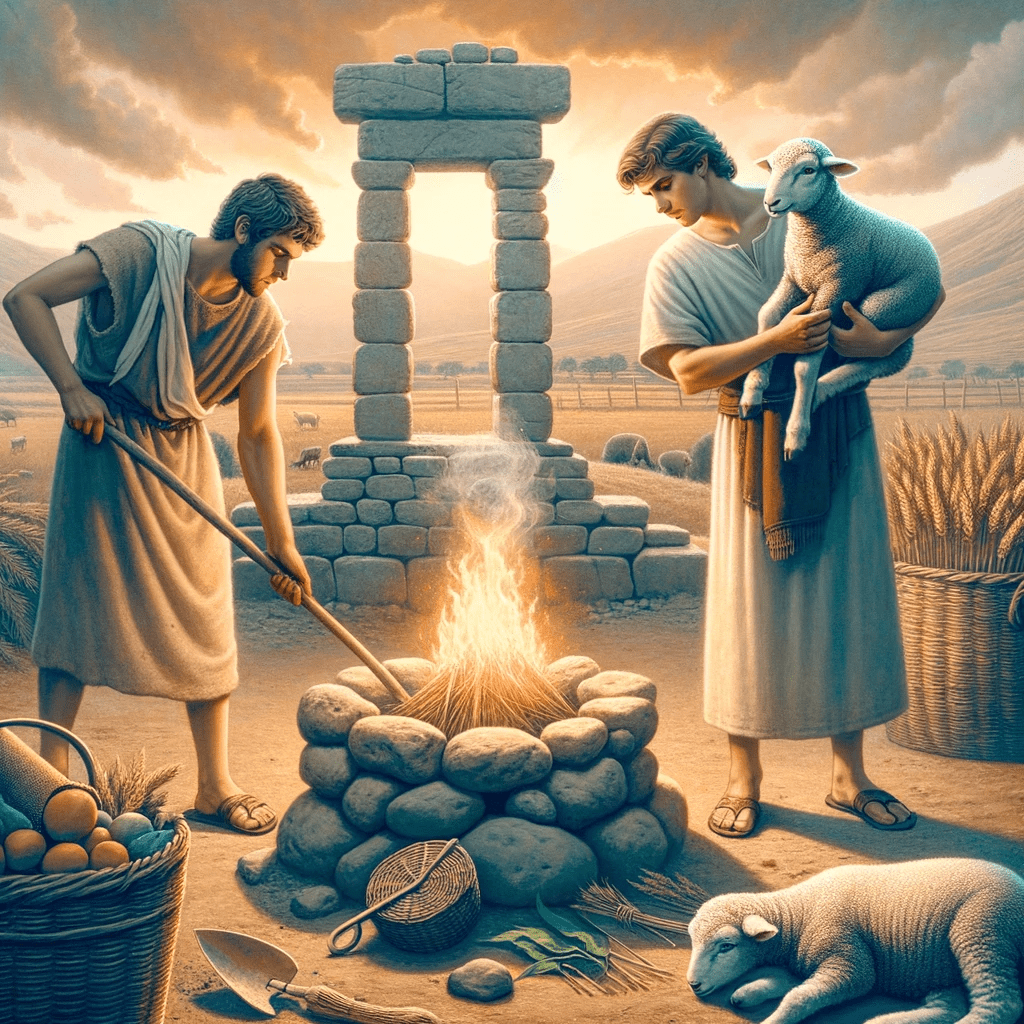
This struggle and the challenge of its brother, hindsight, are not new; they’re as old as time, as seen in the story of Cain and Abel. We all know the story, and I believe that, more than anything, it is a vital allegory about personal responsibility. When Cain sees his brother’s treatment for his hard work and sacrifice, he realizes that he would be getting the same treatment if he had willfully performed the duties asked of him. We’ve all been there to a certain extent.

Imagine finding yourself at the bad end of a situation and then realizing YOU are the one to blame. Everything on the test was covered in class, but YOU didn’t study it. Your transmission goes out in your truck, but YOU blew your money instead of saving it. Your boyfriend breaks up with you because YOU didn’t take the time to learn how he needed to be loved.

Hindsight is 20/20, but clarity happens when you learn these things before it’s too late. Unfortunately, it’s not always as easy as studying for a test or saving money. The problems of life come with layers and complexity.

My grandma always said to be careful when praying for patience or courage because the Lord won’t just give it to you. You’ll have to earn it. He’ll give you opportunities to practice patience and put you in situations that allow you to be courageous. Those aren’t always the most popular places or events to be involved in. I’ve learned the same thing about clarity.

There is a sense of comfort and security in the ambiguity of the future. If you can’t tell what you COULD become, COULD obtain, or the relationships you COULD cultivate, then missing out on them doesn’t hurt. You never saw them and can’t lose what you never had. You can blame outside circumstances, timing, or many other things that are not in your control. You can easily avoid blaming yourself.

Clarity puts the responsibility squarely on your shoulders. It forces your decisions and actions to align with a target. Missing that target has tangible consequences. It requires you to be the best version of yourself so you can be ready to accept the blessings when they start pouring in. It means making multiple sacrifices in the present for what you will obtain in the future. This can be a tireless and trying task. It’s not the carrot at the end of a stick. It’s what awaits you after navigating through the labyrinth.  

Clarity is a powerful gift, but it’s also a call to action. It demands that we face the truth of our choices and take responsibility for our future. Whether we embrace it as a blessing or shy away from it in fear, clarity offers us a chance to shape our destiny. Either way, it’s one hell of a thing to experience. The question is: will we rise to the challenge?
Strong Timber

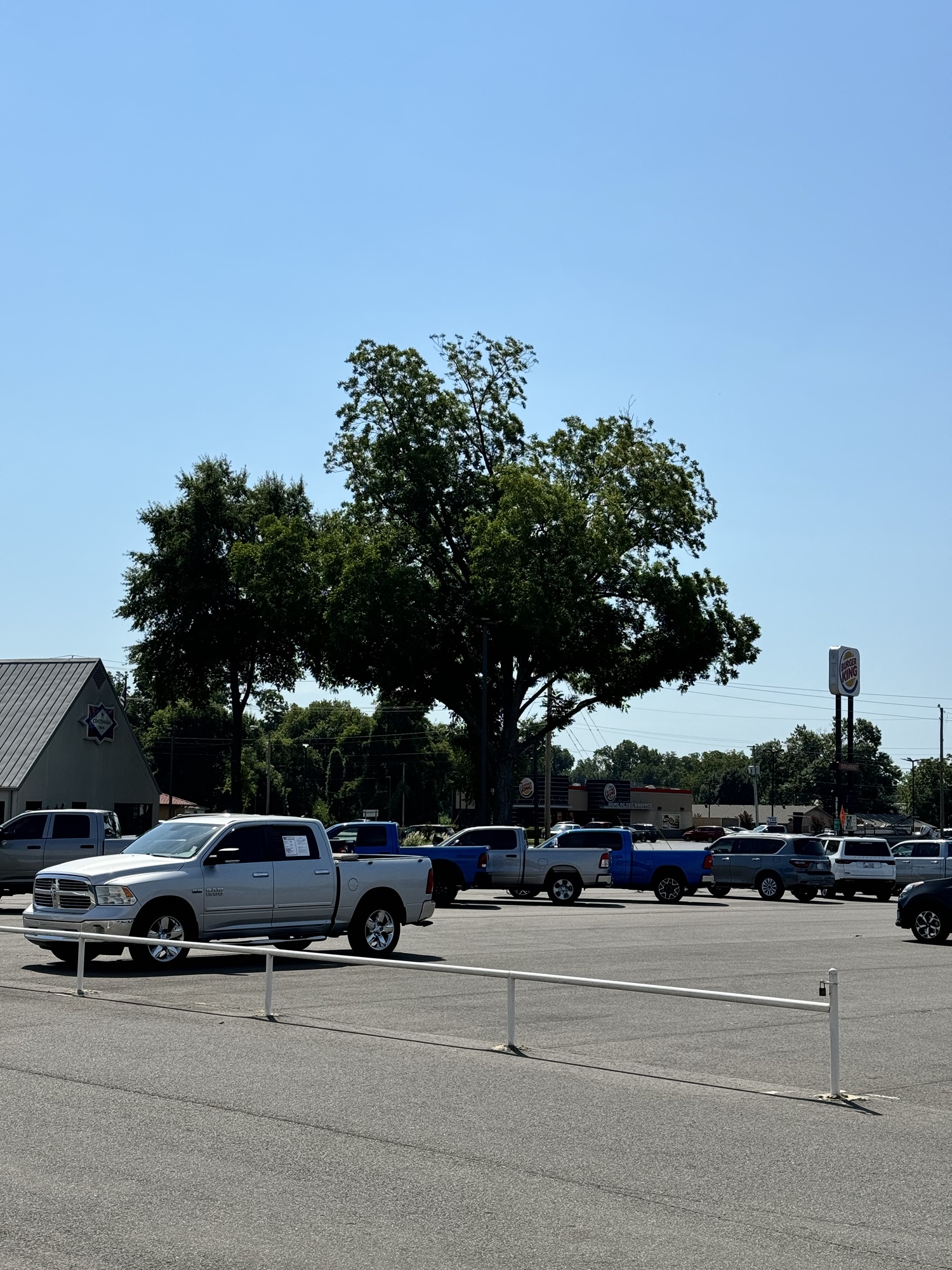
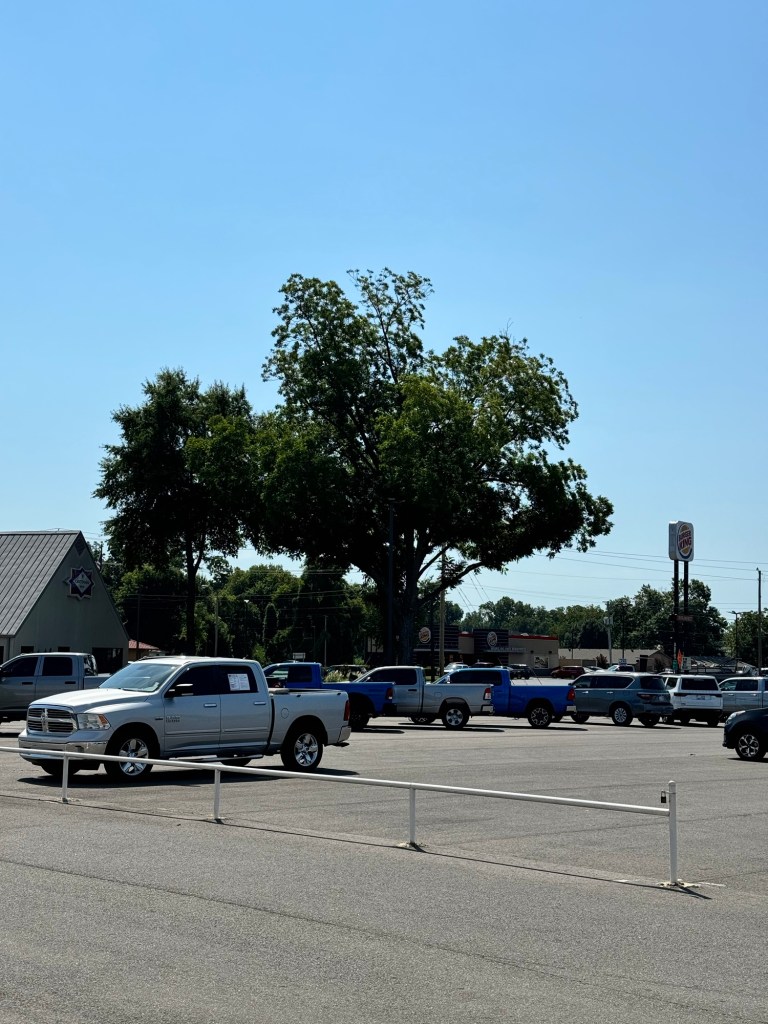
There is a tree at work that I watch throughout the year. It sits slightly off the road, between the bank and the car lot, but closer to the bank. I’m not sure what type of tree it is, but I’ve spent a fair amount of time looking at it when I’m outside. 

I’m no dendrologist (I definitely had to Google that one), but it’s probably 30 years old. Many trees in our little town are more giant and more beautiful. In fact, I’ve probably driven by this one for most of my life without noticing it. But I’ve learned that the older I get, the more I see the little things.

I enjoy the changes it makes throughout the different seasons, from complete and green to bare and rugged. One year, I even spotted some mistletoe high up in the branches. Trees have long served as a reminder to us to let go, start fresh, and flourish.

And grow.

If you watch a tree every day, you can’t see it grow. You may notice a difference if you only see it once a year. If you only see it every ten years, it won’t be the same tree you remember initially seeing. 

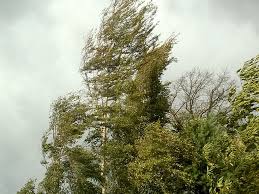
The other day, I was watching it and noticed the top swaying in the wind. It was the only portion of the tree moving, going back and forth briskly. I thought for a minute that it may even snap. The contrast it highlighted with the thick trunk and sturdy branches was noticeable. But then, it hit me.

Every other part of that tree had gone through a similar stage in its development. The rest of it was sturdy and stable because the wind and weather had tested it in the past. Either pass the test and become stronger, or let the weather snap you in two and prevent further growth. The biggest oaks and pines in the world are the ones that have weather the hardest, most frequent storms. 

And you can say the same thing about the strongest people. 

“Good timber does not grow with ease:

The stronger wind, the stronger trees;

The further sky, the greater length;

The more the storm, the more the strength.

By sun and cold, by rain and snow,

In trees and men good timbers grow.”

–Douglas Malloch

The Science, no, Art of Letting Go 

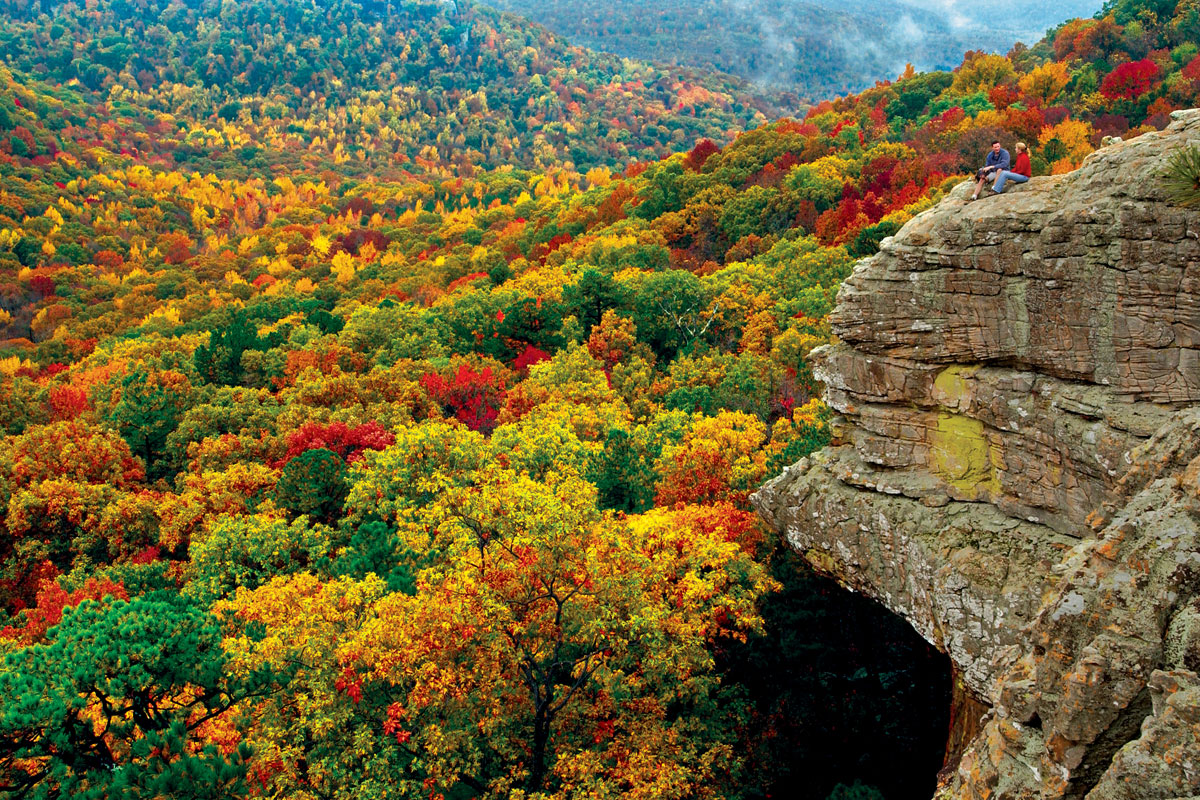
Fall is here, and with it comes the clichés of starting over, shedding baggage, and embracing change. I usually shudder when I see something like that, yet here I am, clutching the moment and coming to realizations that are a long time in the making. Maybe there actually is something unique to the archetypical, long-standing arrangement between the 4 seasons.  

https://onlyinark.com/culture/top-8-fall-color-road-trips-in-arkansas/

For as long as I can remember, I have always felt like an analytical person. I usually perform best in structured environments where I know what to expect. If A, then B. Give me a checklist and what you expect from me, and you can almost bet I’ll produce. I really liked Math in school—once you figure out how to do it, you can always arrive at the correct answer.  

I realized a trend recently in my life. It seems as though I like the challenge of trying to figure out a way to apply structure and rigidity to things that don’t usually fit inside of a box. I tried this with the car business. No two people are the same, and no two car deals play out the same, either. I tried to eliminate all of the variables and create a process that worked the same every time. This isn’t a new thing in the industry, but I think I did it pretty well, and it was definitely my favorite aspect of the business.  

https://insights.dice.com/2019/09/20/mathematicians-list-hottest-job-titles/

I tried to do the same thing in my marriage. If I do this, this, and this, then surely that, that, and that will follow. It’s an excellent way to keep things predictable and stable for a short bit of time, but I don’t think that strategy would work in any marriage over the long haul.  

This year I have had to let go quite a bit—more than any other year to date. And, like most other things I have encountered in life, I subconsciously tried to deal with it from a scientific, or analytical, frame of mind. What I’ve learned is that letting go is no science at all. It is the art of all arts. 

https://www.insightsassociation.org/article/art-vs-science-market-research-battle-we-can-win-win

I never will forget a conversation I had with my dad while my mom was dying. We were near the end of her stint in a long-term rehab center, and I was frustrated because no one was giving me answers. I tried to get the doctor to call me for days and kept getting the run around from the nurses. Dad had mentioned something about them recommending hospice care, and the tone of his voice made me realize that he had seen the writing on the wall. This was the first time I had considered that my mom could die and probably was dying. He later told me something along the lines of, “I was wondering when you were going to accept that she was dying.”  

That only began the process of letting go of mom. I had spent months watching her health decline but always believed something would change and she would end up being okay. I always thought she would walk again. When we moved her to hospice, I had to change my whole frame of mind. A friend at work suggested that I “release her.” That I tell her that it’s okay for her to leave. So, I did. 

https://www.ewellnessmag.com/article/giving-the-final-gift-eleven-ways-to-help-a-dying-person-let-go

The night before she died, I kissed her on her forehead and told her how much I loved her. I brought the kids in one by one to say goodbye. I prayed with her and played her favorite song on the phone. She knew about the problems I was having in my marriage, so I assured her that whatever happened, I would be fine. I let her go. And then she died the following day.  

There was no scientific way to get there—just some advice from a good friend and a leap of faith. Letting her go lifted an emotional burden off my shoulders and I’m convinced it helped mom let go of her earthly body. It helped her end her suffering and enabled me to start the grieving process.  

I’ve also had to let go of marriage this year.  

https://www.powerofpositivity.com/marriage-worth-saving-or-time-to-let-go/

I felt like I had done everything on the checklist the right way. I thought I had killed all the baby dragons before they became big enough to come to burn down our home. I had sacrificed some happiness, emotional health, and a whole lot of time in exchange for stability and security. The only problem was I didn’t ask for any help when I made the checklist, and she had one of her own that I wasn’t taking care of. 

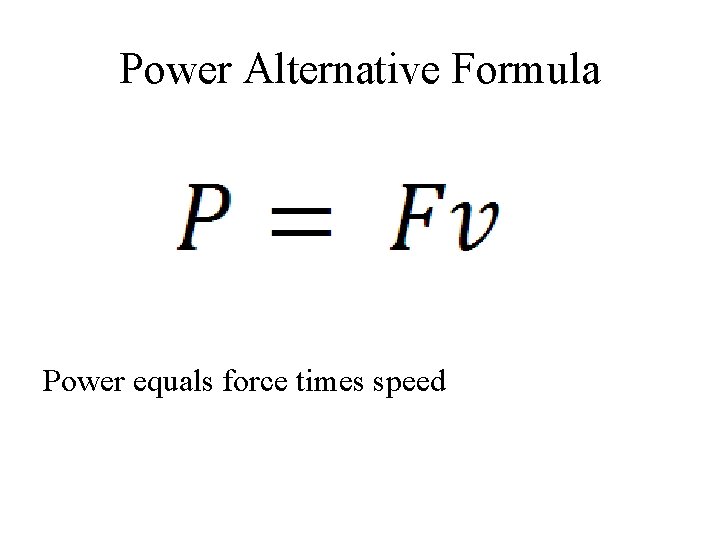
My analytical mind had told me that if I kept battling forward, eventually, the dam would break. Every time someone looking in from the outside told me that I needed to be done, it fueled me to keep trying that much harder. The harder I pushed, the further away from the prize I found myself. In the scientific world, force x speed = power. But in the realm of emotions, force x speed = distance created.

https://slidetodoc.com/lesson-5-4-power-essential-question-how-do/

I fought for a long time, too, man. I fought so much that I’m pretty sure I actually lost focus of what I was fighting for. I held on to principles, memories, and images of what I had envisioned for my life. I battled and battled because I felt like the kids deserved for us to be together. If I had gotten what I wanted, odds are we wouldn’t have been able to make it work anyway. Regardless, I fought hard—even though it was too late. At some point, I realized that I was only fighting for the sake of fighting. And the moment that crossed my mind, I let go.  

I don’t regret fighting. I can live with what happened, and the experiences learned will make me such a better partner the next time around. I left it all on the court, and even after the buzzer sounded, I stayed around and kept shooting. I was still there after the lights went out and the crowd emptied the building. It sharpened my skills and made me better, but eventually, you have to jump back into a new game.  

https://identity-mag.com/this-one-is-for-all-the-basketball-players-out-there/

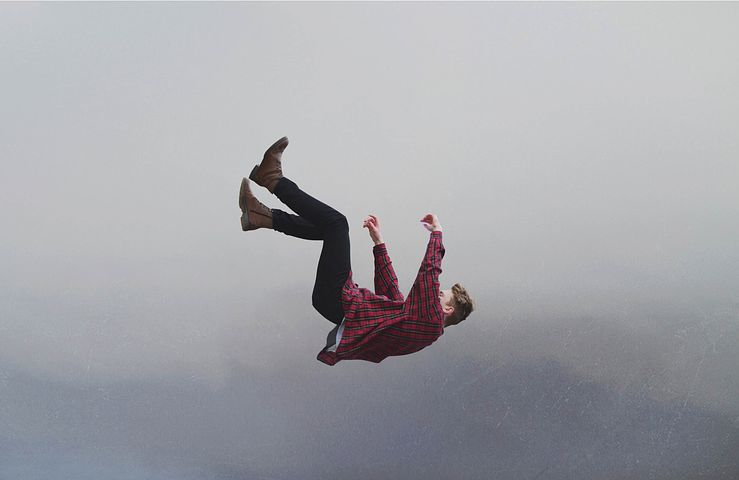
For 38 years, I viewed “letting go” as if I were hanging from the side of a cliff, and to “let go” would mean a plummet straight toward the ground. Letting go is hard, and if you look at it through that lens, it is also scary and intimidating—free falling to your imminent death. 

But what I’ve learned this year, I hope everyone reading this will take away with them. Sometimes, what you are holding on to isn’t as sturdy as you think. When you let go, you take a burden off what you are holding on to—like my mom and my marriage. And sometimes, that fall doesn’t always mean certain death. While you’re falling, you can see the world around you from a different perspective. New possibilities bring themselves to light. New pathways provide highways for new journeys. You meet other people who have let go as well, and you can fall together. If you embrace the fall, it can become a beautiful experience. 

And maybe, if you’re lucky, you’ll even land on your feet. 

https://identity-mag.com/this-one-is-for-all-the-basketball-players-out-there/

Mitakpa–Impermanence

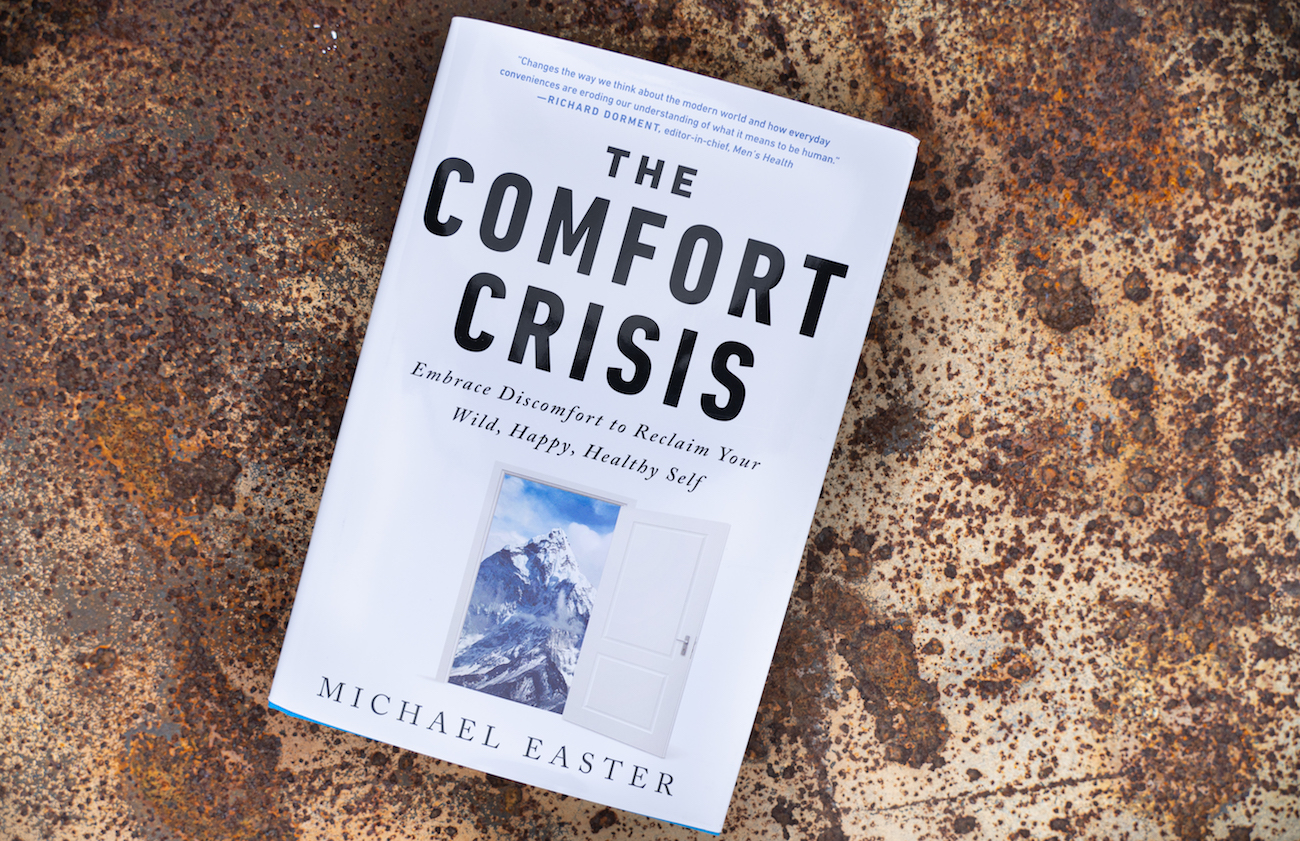
I recently read a book entitled “The Comfort Crisis” by Michael Easter. You can pick it up here if you are interested. It is a phenomenal read and beautifully puts into perspective the relative ease of our current lifestyles and the somewhat shocking problems that derive from it. It is overflowing with ideas to research outside of its covers and I’m sure this won’t be the only blog post I write thanks to the abundance of interesting topics it covers. But one topic, more than anything, really resounded with me, and that was the idea of mitakpa.

Mitakpa is a Tibetan word that roughly translates to impermanence in English. When I thought about it, I realized that I was almost certain I had ever used that word and wasn’t sure if I had ever seen it come up in text or conversation. I had a feeling I knew the jest of it, but I looked up the Dictionary.com definition of it just to be sure.

 noun

the fact or quality of being temporary or short-lived:

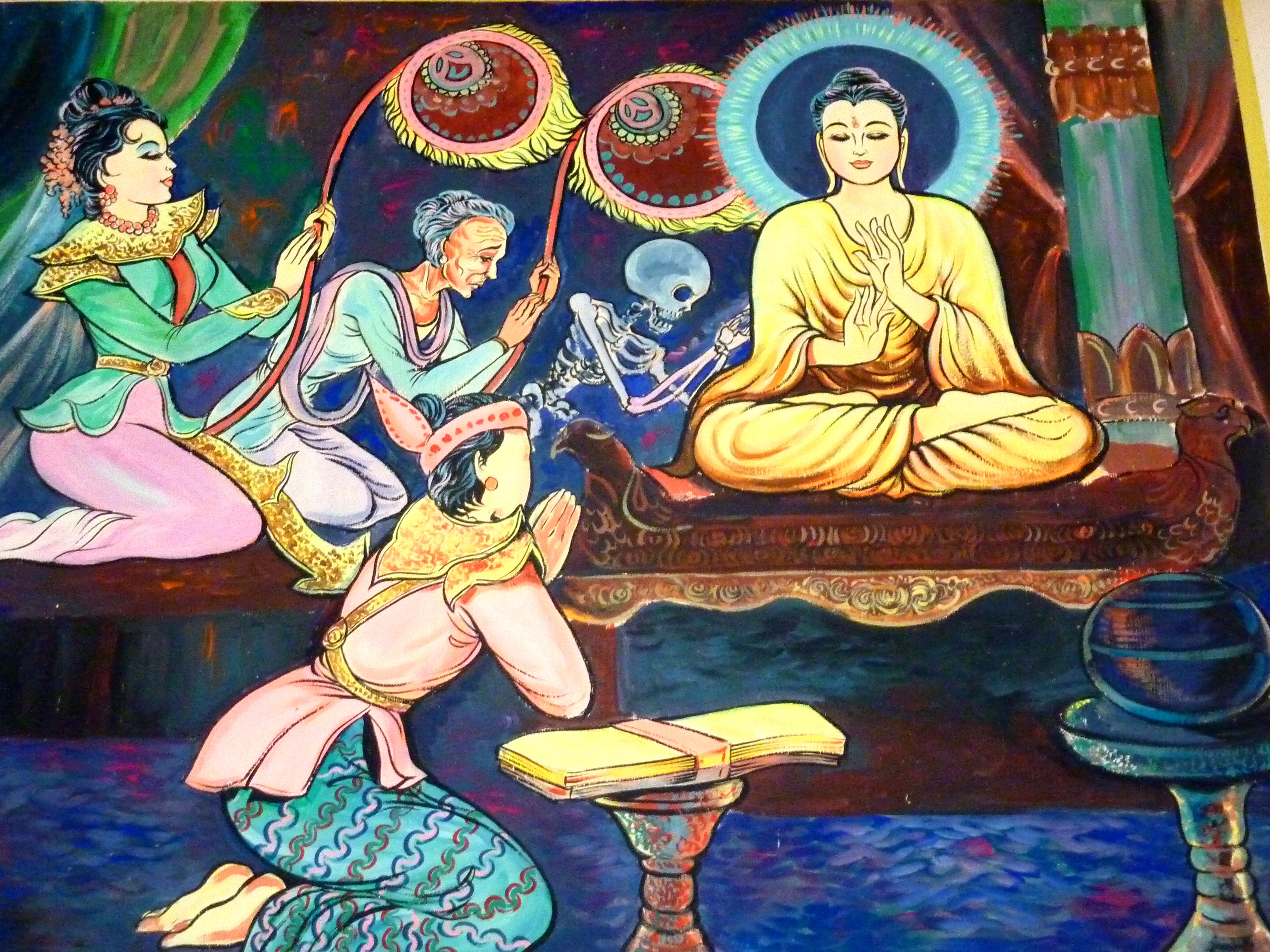
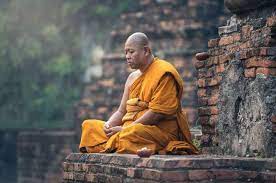
As taught by Buddhists, the idea of mitakpa is that everything born is subject to death and decay. They practice the concept by deliberately thinking about death and the dying process 3 times daily—once each in the morning, midday, and evening. You may be thinking what I was thinking when I read that. “Wow, what a miserable thing to do.” But when I learned how they expounded on that, it made a lot of sense both practically and philosophically.

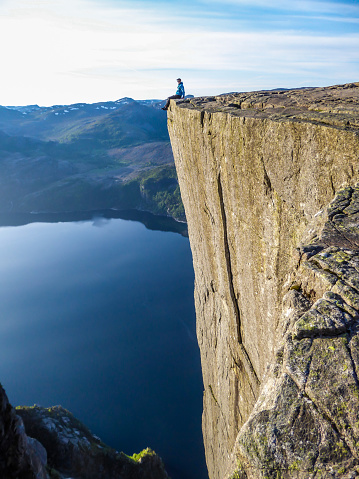
They look at life as a journey towards a cliff in which everyone, inevitably, will walk off one day. It may be tomorrow, or it may be in 80 years, but one day it will happen. We have two choices regarding that cliff. We can either act like it isn’t there and be surprised when we find it, or we can acknowledge its existence and plan our course accordingly. It has real “one life to live” vibes but it hit me on a completely different level.

You can live a complete life without ever thinking about the cliff but imagine how differently you would chart your course if you made peace with the destination. I thought about who I was walking with, what we did along the way, and all the flowers I would regret not stopping and smelling on the way when I saw the cliff come into view.

I also thought about the people that chose to walk with me. Would they come to the end of their journey and wish they had walked with someone else? Was there something they wanted to stop and do along the way that I ignored while placing a higher priority on someone else? Good grief when you think about it, what an honor it would be for someone to choose to walk to the edge of that cliff with you. Am I doing everything imaginable to make their journey just as fulfilling as mine?

One great thing about youth is that, if you’re lucky, you don’t have to think about death very often. If luck continues to be on your side, you won’t have to deal with it much at all until you get older, more mature, and better capable of dealing with it properly. I was lucky on both counts but it seems as though my luck has finally caught up with me. I’ve now lost all my grandparents and recently just laid to rest my mother, who was 60.

My mom was still alive while I was reading “The Comfort Crisis,” but she wasn’t doing very well, and the thought of her potentially dying had begun to creep into my mind from time to time. I thought about her journey to the edge of the cliff and wondered if she had a fulfilling trip. I hoped she hadn’t experienced too many regrets and I prayed the time she spent with me was something that made her trip a little more enjoyable. I was also curious as to whether she could see the end or not and if she could, had she made peace with her journey? It comforts me to think that she did.

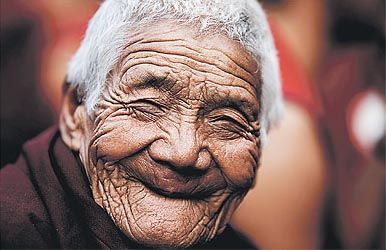
I don’t think about death 3 times a day as the monks do, but I do try to make a point to think about it from time to time. It takes me out of my comfort zone a little bit and helps keep me centered on the truly important things. I’m not an expert by any stretch of the imagination, but I do feel certain about one thing–life is a tremendous blessing and should be treated as such. I feel fortunate to be alive and healthy with no sign of my cliff in sight for the moment. When it finally does enter my horizon, I hope to greet it with a smile and walk off it with no regrets.