Mitakpa, Five Years Later: The Life I Kept Meaning to Live

Five years ago, I wrote about a Tibetan word I had discovered while reading The Comfort Crisis. The word was mitakpa, and it roughly translates to impermanence.

The idea was simple enough: everything born is subject to death and decay. We are all walking toward the edge of a cliff. We can pretend the cliff is not there and act surprised when it appears, or we can acknowledge it and allow the destination to change how we travel.

At the time, that idea hit me like a truck.

My mother had just died. She was sixty years old, which had always sounded like an old age right up until my mother reached it. Then it sounded impossibly young. Grief had made death real in a way that books, sermons and funeral-home visitations never had. The cliff was no longer a philosophical exercise. I had watched someone I loved reach it.

I wrote that making peace with the destination could change the course we chart toward it. I thought about who was walking beside me, what we were doing along the way and how many flowers I might regret passing without ever stopping to smell.

I still believe every word of that.

What I did not understand was how easy it is to see the cliff clearly and still stand in the same place.

Awareness is not action. Clarity is not courage. Knowing that time is limited does not automatically stop us from wasting it. Sometimes it only makes us feel more sophisticated while we continue doing exactly what we were doing before.

I have spent portions of the last five years thinking deeply about time while using it poorly.

I have told myself I needed to be more present with my children, then caught myself looking at a phone while one of them was talking. I have known that certain relationships deserved more attention while continuing to give them whatever energy was left after work. I have thought about books I wanted to write, changes I needed to make and conversations I should have, then stored them all in that enormous warehouse called later.

Meanwhile, the children kept growing.

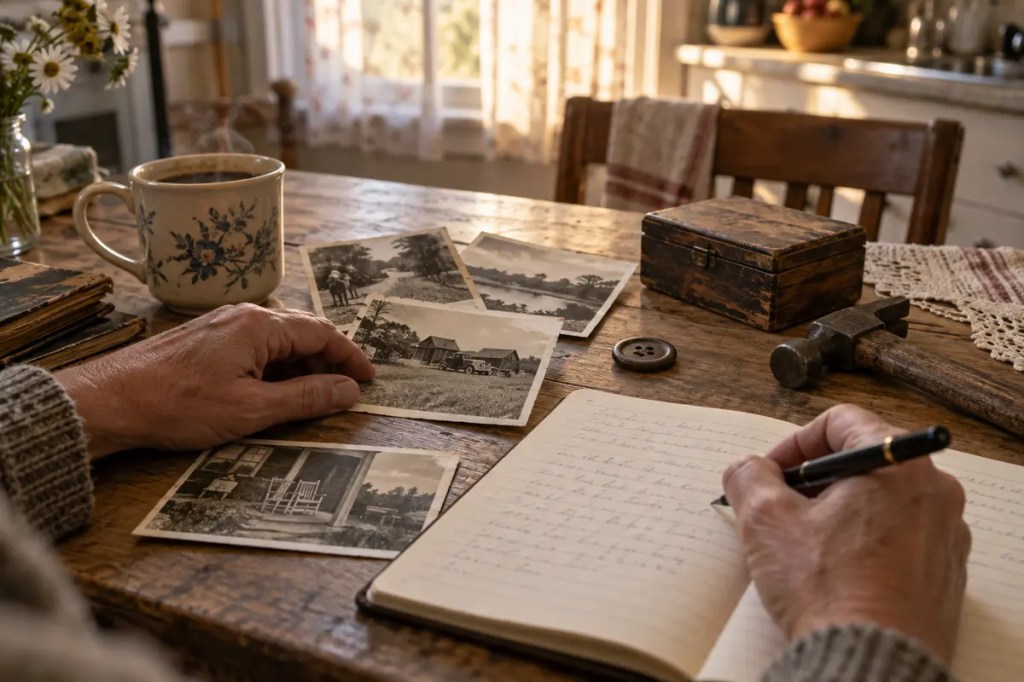
The little boys I once carried in one arm became young men with their own opinions, schedules and worlds. My daughter stopped being the tiny child in so many of my favorite photographs and became a person who notices more than I would sometimes prefer. The changes happened gradually enough that I could miss them from one day to the next, but quickly enough that an old picture could knock the breath out of me.

That may be the cruelest trick time plays. It moves too slowly to frighten us today and too quickly to forgive us tomorrow.

The original lesson I took from mitakpa was to appreciate life because it ends. Five years later, I think the harder lesson is that appreciation without action can become another comfortable idea.

It is possible to love your children and still fail to give them your attention.

It is possible to value your health and continue neglecting it.

It is possible to believe a dream matters and never risk making it real.

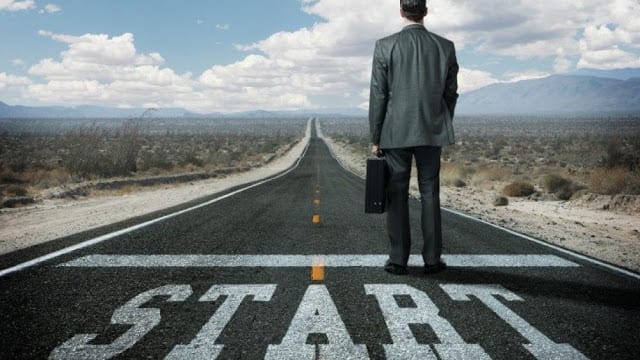
It is possible to know where the road ends and keep driving as if we have unlimited gas.

I do not say that as someone who has solved the problem. I say it as someone who has become increasingly suspicious of his own ability to turn insight into a substitute for movement.

Recently, I finished writing a book I had been meaning to write in one form or another for years. Finishing it did not transform me. Angels did not descend. My bank account did not suddenly develop a six-pack.

But the file exists.

It can be read. It can be disliked. It can fail.

That matters because the imaginary version could do none of those things. It was protected by someday. The real one had to enter time with the rest of us.

Maybe that is what I missed five years ago. The cliff does not merely ask whether we appreciate the walk. It asks whether we are actually walking.

I still do not think about death three times a day. I am not trying to turn every Tuesday morning into a funeral meditation. Life is heavy enough without manufacturing dread before breakfast.

But every so often, I try to remember that the page will close.

Not to scare myself.

To interrupt myself.

To put down the phone. Make the call. Write the paragraph. Sit in the bleachers. Say the thing while the person can still hear it. Stop saving the life I claim to want for a future version of me who may never arrive.

Five years ago, I made peace with the existence of the cliff.

Now I am trying to become more deliberate about the road.

What part of your life have you been meaning to live later?

Clarity and the Responsibilities Which Come With It

As I sat in the pew every Sunday morning in church, I heard people pray for ‘clarity.’ As a kid, I didn’t understand what that meant. To me, life was simple—no responsibilities, no stakes. But as I grew older, I realized that clarity is one of life’s most sought-after yet elusive aspects. It’s what we crave when we’re faced with hard decisions and uncertain futures 

I’ve had many moments in my adult life where I did just that. All I wanted was a clear path to form before me. I’ve been faced with hard decisions and made tough choices without having enough information present. What I wouldn’t have given for an “eliminate the worst option” or “freeze time” card that could have helped me along the way. Or better yet, why can’t someone just make the RIGHT decision for me?

There is no proverbial light bulb that goes off. You don’t just scratch your head until you have your “aha” moment. Clarity comes when the tangled web of your experiences and your chaotic glimpse of the future magically line up. It’s when you know something must be done in a specific way or in a certain amount of time. In the sense I am writing about, clarity is seeing the best version of a particular part of your life and an actual path toward getting there.  It is more than just a moment of insight—it’s that instant when you know, without a doubt, what you need to do, whether it’s finally taking that job offer or walking away from a toxic relationship. 

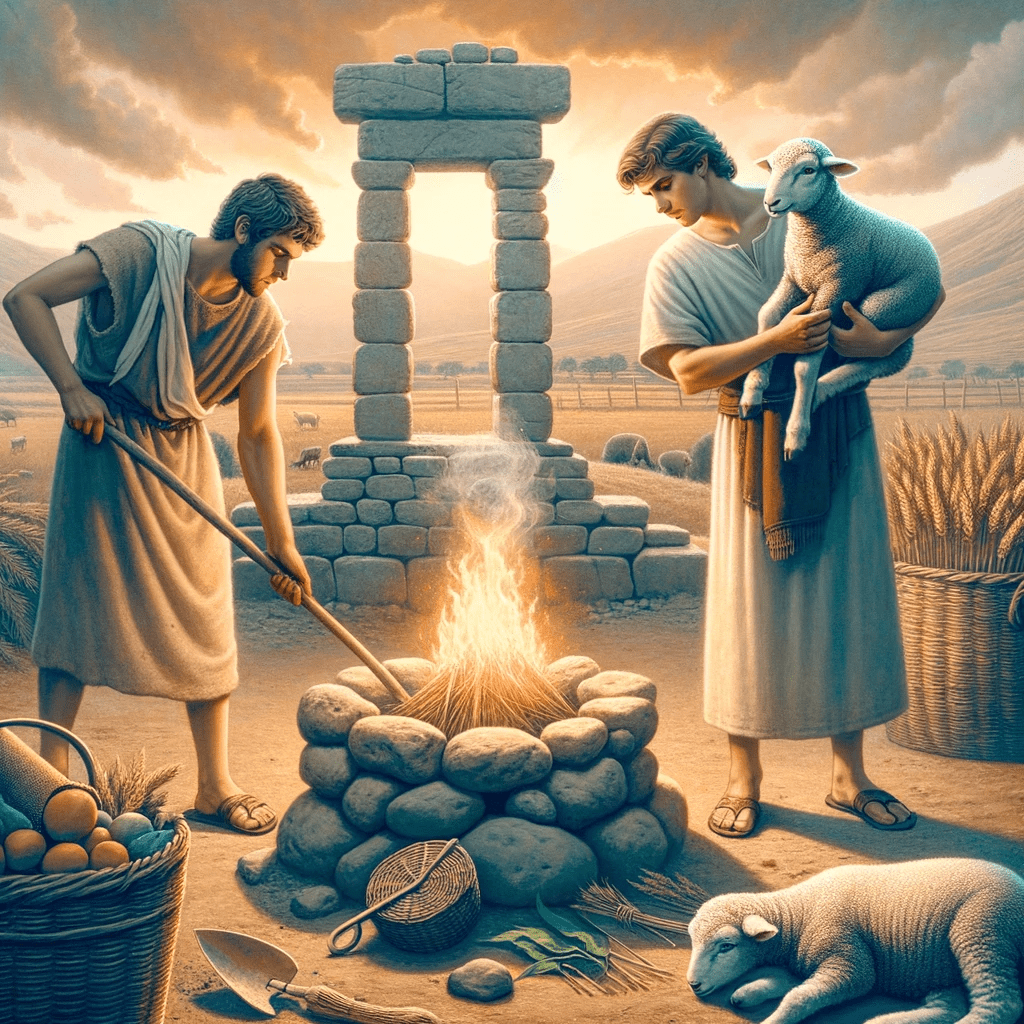
This struggle and the challenge of its brother, hindsight, are not new; they’re as old as time, as seen in the story of Cain and Abel. We all know the story, and I believe that, more than anything, it is a vital allegory about personal responsibility. When Cain sees his brother’s treatment for his hard work and sacrifice, he realizes that he would be getting the same treatment if he had willfully performed the duties asked of him. We’ve all been there to a certain extent.

Imagine finding yourself at the bad end of a situation and then realizing YOU are the one to blame. Everything on the test was covered in class, but YOU didn’t study it. Your transmission goes out in your truck, but YOU blew your money instead of saving it. Your boyfriend breaks up with you because YOU didn’t take the time to learn how he needed to be loved.

Hindsight is 20/20, but clarity happens when you learn these things before it’s too late. Unfortunately, it’s not always as easy as studying for a test or saving money. The problems of life come with layers and complexity.

My grandma always said to be careful when praying for patience or courage because the Lord won’t just give it to you. You’ll have to earn it. He’ll give you opportunities to practice patience and put you in situations that allow you to be courageous. Those aren’t always the most popular places or events to be involved in. I’ve learned the same thing about clarity.

There is a sense of comfort and security in the ambiguity of the future. If you can’t tell what you COULD become, COULD obtain, or the relationships you COULD cultivate, then missing out on them doesn’t hurt. You never saw them and can’t lose what you never had. You can blame outside circumstances, timing, or many other things that are not in your control. You can easily avoid blaming yourself.

Clarity puts the responsibility squarely on your shoulders. It forces your decisions and actions to align with a target. Missing that target has tangible consequences. It requires you to be the best version of yourself so you can be ready to accept the blessings when they start pouring in. It means making multiple sacrifices in the present for what you will obtain in the future. This can be a tireless and trying task. It’s not the carrot at the end of a stick. It’s what awaits you after navigating through the labyrinth.  

Clarity is a powerful gift, but it’s also a call to action. It demands that we face the truth of our choices and take responsibility for our future. Whether we embrace it as a blessing or shy away from it in fear, clarity offers us a chance to shape our destiny. Either way, it’s one hell of a thing to experience. The question is: will we rise to the challenge?

Seasons and Stages: Learning to Embrace Your Current Spot

Gradual changes over long periods of time have always been one of those things that just screws with my head. I remember being able to hold each of my kids in one arm and feeding them by bottle. Night after night I was not able to see them growing, but one day I wasn’t able to hold them like that anymore. When I look back on it, I can’t put my finger on the exact time in which it happened. But it certainly did happen.

As I have gotten older and experienced more people close to me dying, I’ve noticed that people who are old or sick seem to be at peace with leaving their earthly bodies. I’m convinced that when you get to a certain point in your journey, something in your soul changes and you just become okay with the prospect of death. Some people even seem to embrace it.

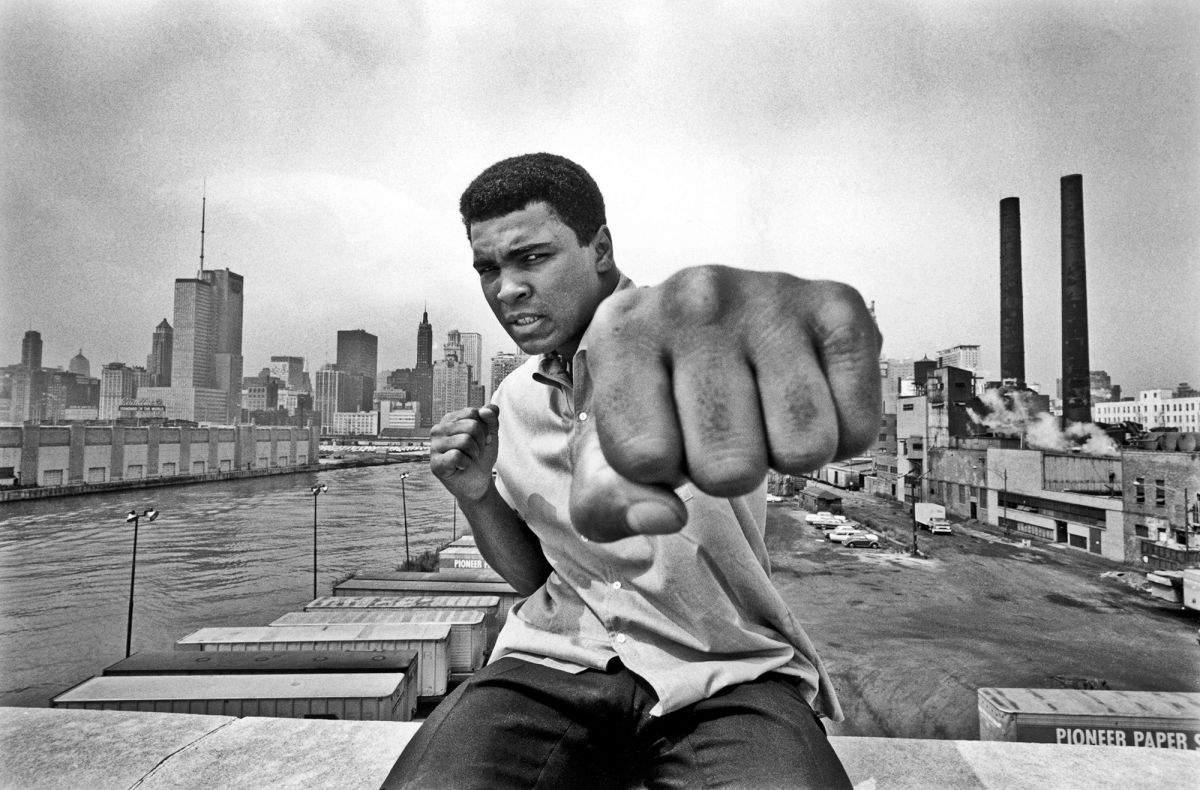
Muhammad Ali once said, “The man who views the world at 50 the same as he did at 20 has wasted 30 years of his life.” The first time I read that I thought it was kind of silly. Everyone always tells you that the secret to life is to never grow up. You must maintain that childlike spirit even as you age. If you do that, you will never get old.

But when I thought about how that applied to my life, it made total sense. I’ve just recently moved into a new “season” of my life. Just like feeding the babies, I can’t tell you exactly when it happened, but it hit me like a rock when it did. Ali wasn’t urging us to lose our youthful nature, but he was telling us that each stage of life Is unique and brings about its own challenges and joys.

I work with a couple of young guys who are just starting to build their stories. Their wives are pregnant with their first child and they are settling in with their first big purchases while anxiously waiting to see how their lives are going to be changed forever. I’ve been giving a ton of unsolicited advice and feel like some of the annoying older people who did the same thing to me all those years ago.

But more than anything, I have been reflecting on that previous season of my life. The glowing wife, the stack of bills, the unknown future, the restless delivery room, those first few months of terror and sleepless nights. My wife and I are not having anymore children, so I’ll never experience these things again. Every day my kids get a little bit further from their beginnings and closer to sprouting into their own skin.

My first emotion was a deep sadness. I don’t remember enjoying the lack of sleep on that sofa the nights our children were born. I remember some of the little things that use to be annoying realities of having a newborn. But all of a sudden, I was sad, and I missed those things. But I quickly realized that those things aren’t for us to experience forever. And now I understand what those annoying “old people” meant when the said, “Don’t blink, bud.”

So, I am embracing this new season in my life. I’m going to continue to help my kids develop into the best humans they can be, take steps to become a better husband to my wife, enjoy my time with loved ones while they are still here, and spew tons of advice to the younger kids while playing my part as the annoying old man.

With all the division we have in the world right now, it is comforting to know that for ages and ages, people really have always been about the same. Through war and famine and plague, the game keeps going on and on, even if the players shuffle positions every few years.