Clarity and the Responsibilities Which Come With It

As I sat in the pew every Sunday morning in church, I heard people pray for ‘clarity.’ As a kid, I didn’t understand what that meant. To me, life was simple—no responsibilities, no stakes. But as I grew older, I realized that clarity is one of life’s most sought-after yet elusive aspects. It’s what we crave when we’re faced with hard decisions and uncertain futures 

I’ve had many moments in my adult life where I did just that. All I wanted was a clear path to form before me. I’ve been faced with hard decisions and made tough choices without having enough information present. What I wouldn’t have given for an “eliminate the worst option” or “freeze time” card that could have helped me along the way. Or better yet, why can’t someone just make the RIGHT decision for me?

There is no proverbial light bulb that goes off. You don’t just scratch your head until you have your “aha” moment. Clarity comes when the tangled web of your experiences and your chaotic glimpse of the future magically line up. It’s when you know something must be done in a specific way or in a certain amount of time. In the sense I am writing about, clarity is seeing the best version of a particular part of your life and an actual path toward getting there.  It is more than just a moment of insight—it’s that instant when you know, without a doubt, what you need to do, whether it’s finally taking that job offer or walking away from a toxic relationship. 
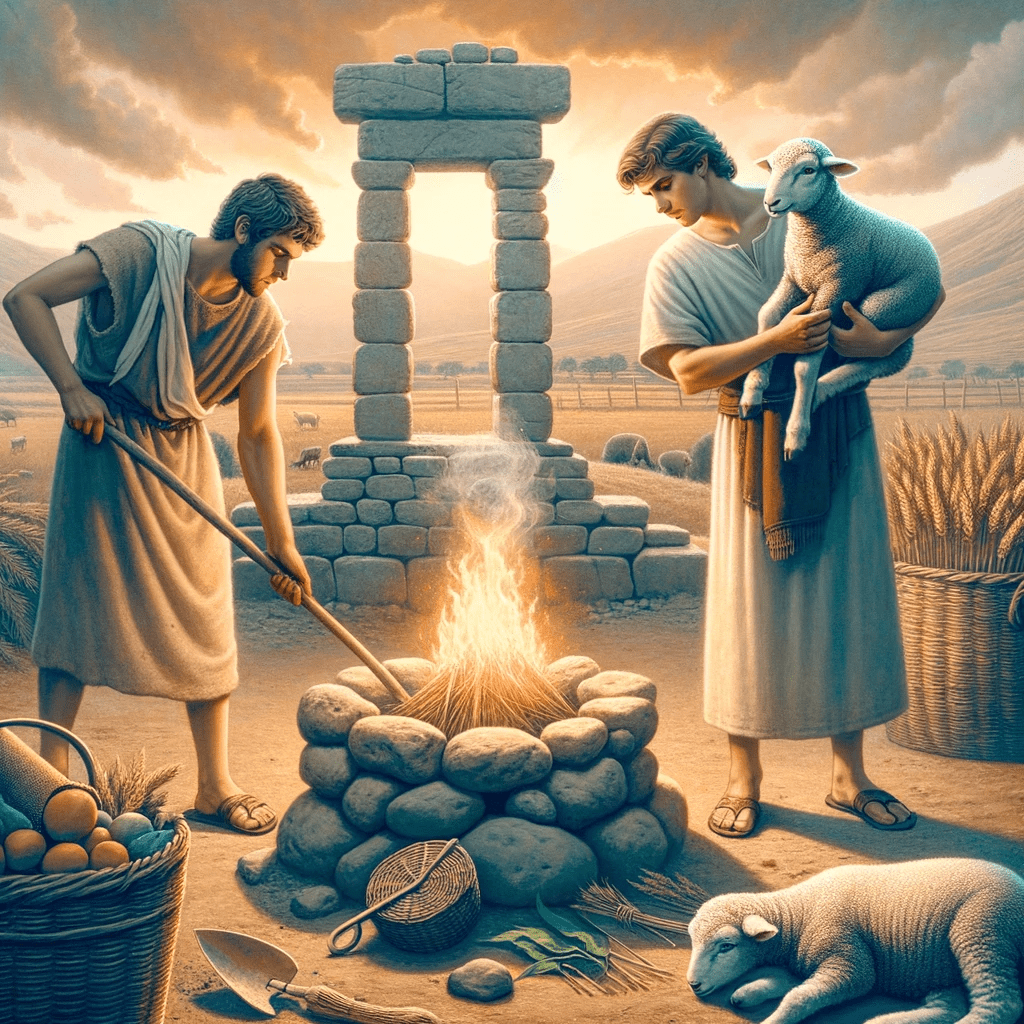
This struggle and the challenge of its brother, hindsight, are not new; they’re as old as time, as seen in the story of Cain and Abel. We all know the story, and I believe that, more than anything, it is a vital allegory about personal responsibility. When Cain sees his brother’s treatment for his hard work and sacrifice, he realizes that he would be getting the same treatment if he had willfully performed the duties asked of him. We’ve all been there to a certain extent.

Imagine finding yourself at the bad end of a situation and then realizing YOU are the one to blame. Everything on the test was covered in class, but YOU didn’t study it. Your transmission goes out in your truck, but YOU blew your money instead of saving it. Your boyfriend breaks up with you because YOU didn’t take the time to learn how he needed to be loved.

Hindsight is 20/20, but clarity happens when you learn these things before it’s too late. Unfortunately, it’s not always as easy as studying for a test or saving money. The problems of life come with layers and complexity.

My grandma always said to be careful when praying for patience or courage because the Lord won’t just give it to you. You’ll have to earn it. He’ll give you opportunities to practice patience and put you in situations that allow you to be courageous. Those aren’t always the most popular places or events to be involved in. I’ve learned the same thing about clarity.

There is a sense of comfort and security in the ambiguity of the future. If you can’t tell what you COULD become, COULD obtain, or the relationships you COULD cultivate, then missing out on them doesn’t hurt. You never saw them and can’t lose what you never had. You can blame outside circumstances, timing, or many other things that are not in your control. You can easily avoid blaming yourself.

Clarity puts the responsibility squarely on your shoulders. It forces your decisions and actions to align with a target. Missing that target has tangible consequences. It requires you to be the best version of yourself so you can be ready to accept the blessings when they start pouring in. It means making multiple sacrifices in the present for what you will obtain in the future. This can be a tireless and trying task. It’s not the carrot at the end of a stick. It’s what awaits you after navigating through the labyrinth.  

Clarity is a powerful gift, but it’s also a call to action. It demands that we face the truth of our choices and take responsibility for our future. Whether we embrace it as a blessing or shy away from it in fear, clarity offers us a chance to shape our destiny. Either way, it’s one hell of a thing to experience. The question is: will we rise to the challenge?
Happy Birthday, Mom

I must have been 11 or 12 years old when my buddy and I got up in front of our church family and sang “A Song for Mama” by Boyz II Men. He was and still is a natural musician with a great voice and a knack for learning any instrument. I, on the other hand, was not and still can’t. But I played the drums and saxophone in church and, at least this one time, even sang a song. I did it because it made my momma happy.

I thought about this song today and gave it a quick play on Spotify, and I tried to take myself back to that moment when we sang it at church. I saw my mom sitting at the piano and his mom sitting at the organ; their faces lit up, and they were proud of the young men their sons were turning into. We could have never known that day that some 30 years later, they would both be gone. If I had known, I would have sung her more songs. As many as she wanted.

My mom would be 62 years old tomorrow and spending most of her time telling everyone about how her oldest grandchild would be graduating high school soon. Or how her youngest is full of sass and spirit. She would be at every football, basketball, or baseball game she could attend. Every cheerleading competition or band recital. She’d find ways to show them how much they mean to her in their own way. And if I’m being candid here, it pisses me off that she got cheated out of so much. Or maybe I’m selfish and upset that she got ripped away from us too soon.

Time is supposed to heal all wounds, and it may eventually. Some days it happens more than others, but I think about her daily. 95% of the time, those thoughts make me smile or even put me at ease, but that other 5% is brutal, man. When I see someone’s silhouette and mistake it for hers. When I hear a laugh that sounds like her laugh. When someone mentions seeing her in my kids. Those days the grief holds on and doesn’t let go.

“I’ll never go a day without my mama.” That’s a line from the song I took issue with after listening to it. I’ve gone many days without her now. She won’t be at the table during holidays or taking pictures in the background. She won’t be bringing me a drink out of the blue or calling to see how my day at work went. I can’t listen to her play the piano or seek her advice when I’m in a bind.

But, dadgum it, she lives on. She lives on in me and my children and the memories that live rent-free in my head. The photos come to life, and the home videos tell new stories. She lives on in this blog and the stories I tell my kids, and hopefully, they’ll recant to theirs. She’ll forever keep that special place in my heart and soul, and her sweet voice will always ring in my head.

I write these things out and throw them in the wind for 2 reasons. For one, it helps me clear my mind when things get all jammed up in there and must be purged. And secondly, I want this to be accessible to someone who might be going through a similar situation and not know how to deal with it. Maybe my words can comfort them or get them through the day. Almost everyone has had to deal with loss at some point. But that doesn’t mean it is ever easy.

Happy birthday in Heaven, Mom. I’m doing my best down here, I promise. Love you always!

Low Hanging Fruit

“Low hanging fruit” is one of those southern terms that I have heard so many times over the years that I never really thought about what it meant. The other day, though, I talked to my son about something significant, and I used the phrase. He asked me what it meant, and I had to stop for a minute and think. I have these moments from time to time, and I never seem to be prepared for them. I listened to plenty of great parenting advice, but no one ever told me they would ask so many innocent questions that were so hard to answer. But, like it tends to happen, the answer I came up with probably helped me more than it helped him.


For context, this particular son has been the target of bullying at school. We talk about it a lot, and he knows he can confide in his mom and me. For the most part, the bullying has been verbal. But, it’s hard to grasp the concept of sticks and stones at that age. I know how kids, specifically boys, can act. If your parents get involved with this, it can make the situation a whole lot worse than it already is—especially when the adults aren’t looking. I also believe that protecting your kids from things like this can be more detrimental to them than helping them find the tools they need to deal with them and overcome them.

He has always been a little socially awkward and mouthy—a deadly combination and the recipe for an easy target. We’ve gone to great lengths to try to cultivate a little bit of self-awareness in him. As unfortunate as it is for someone his age, other kids notice how you dress, talk, carry yourself, interact with others, etc. Not only do they see these things, but they seem to care way more than he does (which is not at all).

So, I explained that bullies like to go for the low-hanging fruit. “What does that mean, dad?”
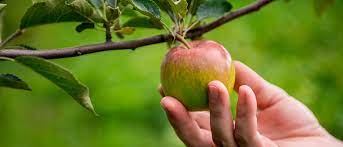
I stopped for a minute and thought about it. I first used the example of an apple tree. I asked him if he had to pick ten apples off of the tree, which ones would he choose. Of course, he said, the ones closest to the ground. “See, son, it’s just easier that way. The lower the fruit hangs, the easier it is to get it off of the tree, and bullies are always going to take the path of least resistance.” He gave me a slight nod and was hoping I would shut up. But, I didn’t—I thought about it some more.


I asked him if he thought the fruit at the top of the tree was more desirable, and I was surprised that he knew it was, and he even knew it was because they get more sunlight.

We talked about how apples were stuck on the tree and didn’t get to choose their positioning. But the great thing about our lives is that we can put ourselves in a position to receive more light. For my son, that means behaving in a way that makes adults and other students want to interact with him. More interactions mean more opportunities, which means more chances to learn and grow. Learning and growing continue to open more paths and avenues for further development.


Putting ourselves higher up on the tree not only gives us more sunlight but also prevents people from coming by and picking us off the limb. The longer we stay on the tree, the more we can remain green and continue to grow (credit my car business mentor for that one). If we fall off the tree before we are ready, we end up rotting on the ground or, even worse, food for farm animals.

Receiving extra sunlight and staying on the limb longer ultimately give us the chance to ripen on our terms. Instead of being plucked off by people looking for low-hanging fruit, we can continue to learn and grow until we are ready to fall off ourselves.


I only hope that my son got as much from this teaching moment as I did.

The Science, no, Art of Letting Go 

Fall is here, and with it comes the clichés of starting over, shedding baggage, and embracing change. I usually shudder when I see something like that, yet here I am, clutching the moment and coming to realizations that are a long time in the making. Maybe there actually is something unique to the archetypical, long-standing arrangement between the 4 seasons.  

https://onlyinark.com/culture/top-8-fall-color-road-trips-in-arkansas/

For as long as I can remember, I have always felt like an analytical person. I usually perform best in structured environments where I know what to expect. If A, then B. Give me a checklist and what you expect from me, and you can almost bet I’ll produce. I really liked Math in school—once you figure out how to do it, you can always arrive at the correct answer.  

I realized a trend recently in my life. It seems as though I like the challenge of trying to figure out a way to apply structure and rigidity to things that don’t usually fit inside of a box. I tried this with the car business. No two people are the same, and no two car deals play out the same, either. I tried to eliminate all of the variables and create a process that worked the same every time. This isn’t a new thing in the industry, but I think I did it pretty well, and it was definitely my favorite aspect of the business.  

https://insights.dice.com/2019/09/20/mathematicians-list-hottest-job-titles/

I tried to do the same thing in my marriage. If I do this, this, and this, then surely that, that, and that will follow. It’s an excellent way to keep things predictable and stable for a short bit of time, but I don’t think that strategy would work in any marriage over the long haul.  

This year I have had to let go quite a bit—more than any other year to date. And, like most other things I have encountered in life, I subconsciously tried to deal with it from a scientific, or analytical, frame of mind. What I’ve learned is that letting go is no science at all. It is the art of all arts. 

https://www.insightsassociation.org/article/art-vs-science-market-research-battle-we-can-win-win

I never will forget a conversation I had with my dad while my mom was dying. We were near the end of her stint in a long-term rehab center, and I was frustrated because no one was giving me answers. I tried to get the doctor to call me for days and kept getting the run around from the nurses. Dad had mentioned something about them recommending hospice care, and the tone of his voice made me realize that he had seen the writing on the wall. This was the first time I had considered that my mom could die and probably was dying. He later told me something along the lines of, “I was wondering when you were going to accept that she was dying.”  

That only began the process of letting go of mom. I had spent months watching her health decline but always believed something would change and she would end up being okay. I always thought she would walk again. When we moved her to hospice, I had to change my whole frame of mind. A friend at work suggested that I “release her.” That I tell her that it’s okay for her to leave. So, I did. 

https://www.ewellnessmag.com/article/giving-the-final-gift-eleven-ways-to-help-a-dying-person-let-go

The night before she died, I kissed her on her forehead and told her how much I loved her. I brought the kids in one by one to say goodbye. I prayed with her and played her favorite song on the phone. She knew about the problems I was having in my marriage, so I assured her that whatever happened, I would be fine. I let her go. And then she died the following day.  

There was no scientific way to get there—just some advice from a good friend and a leap of faith. Letting her go lifted an emotional burden off my shoulders and I’m convinced it helped mom let go of her earthly body. It helped her end her suffering and enabled me to start the grieving process.  

I’ve also had to let go of marriage this year.  

https://www.powerofpositivity.com/marriage-worth-saving-or-time-to-let-go/

I felt like I had done everything on the checklist the right way. I thought I had killed all the baby dragons before they became big enough to come to burn down our home. I had sacrificed some happiness, emotional health, and a whole lot of time in exchange for stability and security. The only problem was I didn’t ask for any help when I made the checklist, and she had one of her own that I wasn’t taking care of. 

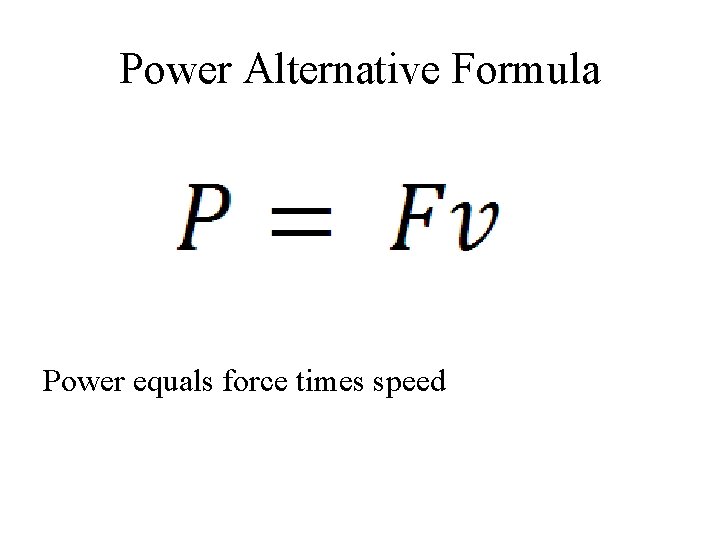
My analytical mind had told me that if I kept battling forward, eventually, the dam would break. Every time someone looking in from the outside told me that I needed to be done, it fueled me to keep trying that much harder. The harder I pushed, the further away from the prize I found myself. In the scientific world, force x speed = power. But in the realm of emotions, force x speed = distance created.

https://slidetodoc.com/lesson-5-4-power-essential-question-how-do/

I fought for a long time, too, man. I fought so much that I’m pretty sure I actually lost focus of what I was fighting for. I held on to principles, memories, and images of what I had envisioned for my life. I battled and battled because I felt like the kids deserved for us to be together. If I had gotten what I wanted, odds are we wouldn’t have been able to make it work anyway. Regardless, I fought hard—even though it was too late. At some point, I realized that I was only fighting for the sake of fighting. And the moment that crossed my mind, I let go.  

I don’t regret fighting. I can live with what happened, and the experiences learned will make me such a better partner the next time around. I left it all on the court, and even after the buzzer sounded, I stayed around and kept shooting. I was still there after the lights went out and the crowd emptied the building. It sharpened my skills and made me better, but eventually, you have to jump back into a new game.  

https://identity-mag.com/this-one-is-for-all-the-basketball-players-out-there/

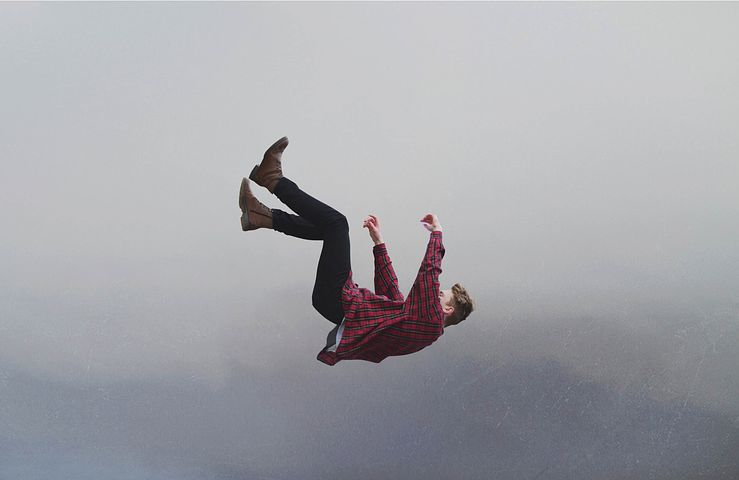
For 38 years, I viewed “letting go” as if I were hanging from the side of a cliff, and to “let go” would mean a plummet straight toward the ground. Letting go is hard, and if you look at it through that lens, it is also scary and intimidating—free falling to your imminent death. 

But what I’ve learned this year, I hope everyone reading this will take away with them. Sometimes, what you are holding on to isn’t as sturdy as you think. When you let go, you take a burden off what you are holding on to—like my mom and my marriage. And sometimes, that fall doesn’t always mean certain death. While you’re falling, you can see the world around you from a different perspective. New possibilities bring themselves to light. New pathways provide highways for new journeys. You meet other people who have let go as well, and you can fall together. If you embrace the fall, it can become a beautiful experience. 

And maybe, if you’re lucky, you’ll even land on your feet. 

https://identity-mag.com/this-one-is-for-all-the-basketball-players-out-there/

Resentment is a Dead End Road

I like putting dictionary definitions in my blog posts. Sometimes I even look up familiar words on my own to get some bonus context from them. I’ll get these out of the way quickly:

resentment; noun
the feeling of displeasure or indignation at some act, remark, person, etc.

indignation; noun
strong displeasure at something considered unjust, offensive, insulting, or base

unjust; adjective
not just; lacking in justice or fairness

My simplified definition of resentment would have to be “the feeling of displeasure at an unfair act or person.” Of all the emotions I have ever experienced, this is the one that seems to do the most damage to relationships. I’ve seen it happen to others and have also witnessed it within myself. When I try to visualize what resentment would look like, I see a monstrous beast that sets its hook-like appendages into your heart. Once those hooks get placed, it’s challenging to be set free from its grasp.

I think there are many causes for resentment, but I’m going to narrow it down to three for this blog post. These are solely based on my experience, and, like always, I should note that I am not an expert on the matter—just a guy who has experienced some things and likes to share. I’m going to list the prominent three causes of resentment and offer ways in which you may be able to free yourself from it.

Unrealistic Expectations
Unless otherwise provoked, I believe most of us start any interaction with good intentions. My pastor, Mark Lykins, said something from the pulpit years ago that stuck—“Humans are bad judges by nature because we judge other people by their actions, but we judge ourselves by our intent.” I had never thought about it that way, but it makes a ton of logical sense. Removing our ego can help improve our interactions and relationships as well.

Try to imagine that everyone possesses a constantly changing hierarchical pyramid that controls their interactions. The tip of this pyramid would be the highest valued person, principle, or result at any given time. There may be scenarios in which you feel like your presence or your idea should be at the top of someone’s pyramid when something or someone supersedes it by no fault of their own. It would be arrogant for any of us to believe that we should be at the top of every pyramid all the time. But, if we feel like we should be a higher priority but get treated like we are not, resentment will almost surely set in.

So, how can we navigate this? Be aware of your ability to not live up to other people’s standards and make concessions for people who don’t live up to yours. Understand that life is complex and has many layers, and, as lovely as it would be, things don’t always line up in the way you want them to. Manage your expectations of others while demanding more of yourself.

Not Being Heard/Not Being Able to Speak

Have you ever been around a new mother when they hear their baby start to cry? Something innate in us causes us to cry out when we need something or feel unpleasant. There is also something deep inside that compels us to respond when we hear someone crying out. There are very few people who could walk away from a crying baby without batting an eye.

Most of us (hopefully) grow out of that stage where we wail at the top of our lungs until someone comes to our aid. But, that instinctual feeling to be heard never goes away. On the flip side, we tend to lose the empathetic nature we have for other people as they get older.

Babies aren’t emotionally mature enough to harbor resentment, but you don’t need me to tell you how damaging it can be to them when someone repeatedly ignores their cries. As we get older and develop our emotions and personalities, having someone shut you out can feel unjust and eventually strain relationships.

Similarly, feeling like you are unable to speak has the same effect. Maybe you don’t feel like you are qualified to vocalize your thoughts on a particular topic. Perhaps you are in an emotionally abusive relationship and feel like your opinion or idea doesn’t matter. Or maybe you are even paralyzed by the fear that what you say or how you say it may come across in an unintended manner. One thing is for sure—if you don’t say it, then they won’t hear it.

So how can you make sure these things don’t cause resentment to sink its ugly teeth in your heart? Firstly, you need to think about whether the things you are saying are essential enough to vocalize or if remaining silent may be a better option. A lot like managing your expectations, it can be arrogant to think that your voice holds more weight than anyone else’s. But, if you have decided that you must express your concern, then the pathway is simple—speak. If the other person refuses to hear you, firmly let them know that what you are saying is important and you need them to listen to you. It may be nerve-racking, but it beats the alternative.

Someone Taking Advantage of You

This one is tough for a couple of reasons. No one likes to be taken advantage of, especially when the person doing it is someone you care dear to you. It can be complicated to distinguish between someone consciously taking advantage of you and someone who may not realize they are doing anything at all. Either way, it is not a comfortable situation.

The unfortunate truth is that there are probably people in your circle who are so self-centered they will knowingly sacrifice their good relationship with you to further their agenda. I can’t speak for everyone, but I know I have dealt with those people in different parts of my life. Typically people like this are trained in the art of manipulation, and they can be hard to spot. Once spotted, though, it is usually an easy decision to create some distance between your life and theirs.

The other type is a lot harder to identify because they don’t even realize they are taking advantage of you and are ignorant of its impact on your relationship with them. It can also be intimidating when you think about confronting the person because often, they can be in your closest inner circle. And, if truth be told, part of the reason they get away with it is that you have enabled that kind of behavior for quite some time.

To me, this is the hardest of the bunch to nip in the bud before resentment takes hold. It is vital to voice your concerns to the other party, no matter how uncomfortable the situation may become. After all, most everyone would trade some minor discomfort to salvage a close relationship. After you speak to them about the issue, set some firm standards and boundaries for behavior that you feel is acceptable and not acceptable. Finally, make sure to be clear with the other party of the limits of your boundaries so you can both be on the same page.

When I make a post like this, I always feel the need to mention several times that I am not a professional. Please consult a therapist if you think resentment may be on the verge of costing you a special relationship. A year ago, I would have never dreamt that I would set foot in a psychiatrists’ office, but after many sessions, I can tell you that there is great value in talking to someone about your issues. The only thing I can tell you with certainty is that resentment and bitterness are hazardous emotions, and they can eat away at you from the inside out. It may start with the loss of a close friend or family member, but it has the potential to change your whole character and personality. I hope this helps someone!

Mitakpa–Impermanence

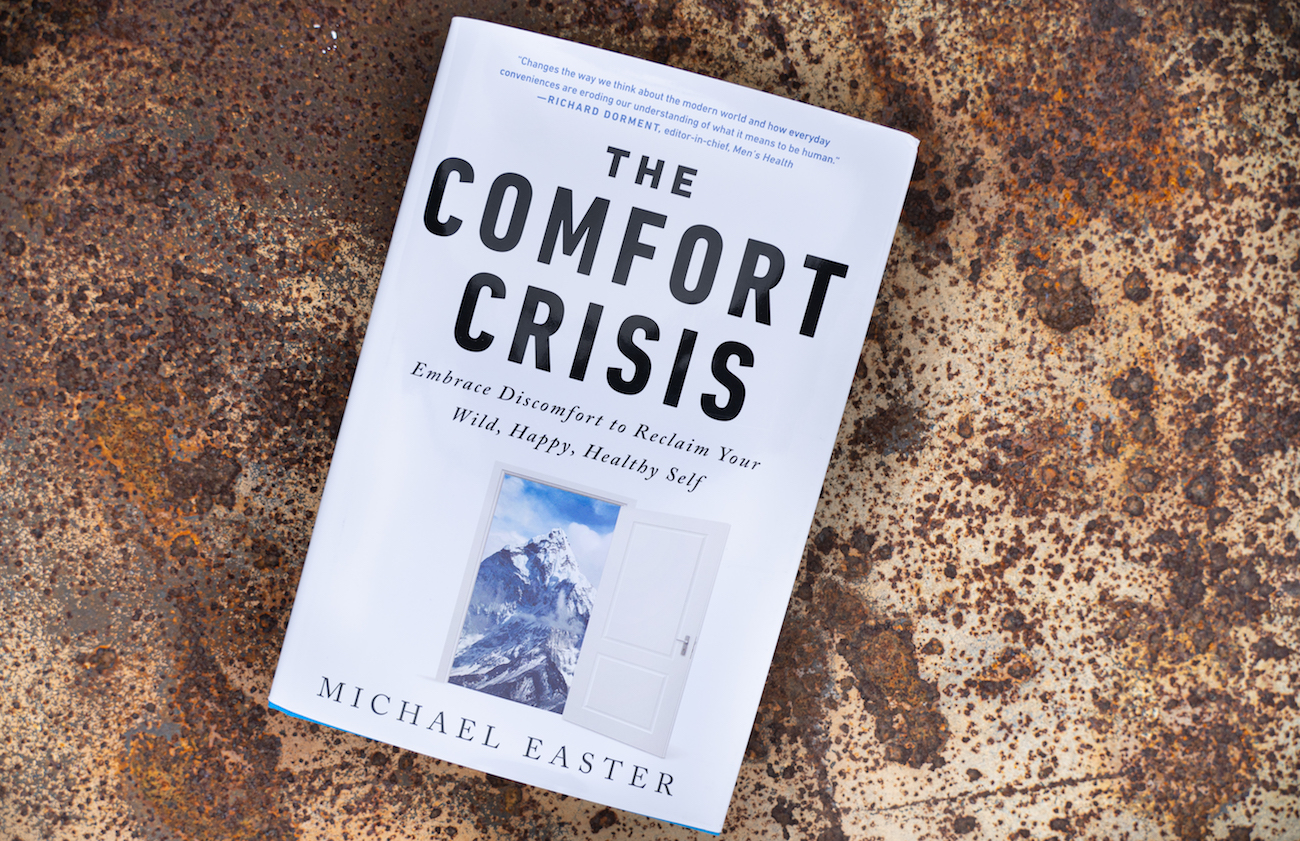
I recently read a book entitled “The Comfort Crisis” by Michael Easter. You can pick it up here if you are interested. It is a phenomenal read and beautifully puts into perspective the relative ease of our current lifestyles and the somewhat shocking problems that derive from it. It is overflowing with ideas to research outside of its covers and I’m sure this won’t be the only blog post I write thanks to the abundance of interesting topics it covers. But one topic, more than anything, really resounded with me, and that was the idea of mitakpa.

Mitakpa is a Tibetan word that roughly translates to impermanence in English. When I thought about it, I realized that I was almost certain I had ever used that word and wasn’t sure if I had ever seen it come up in text or conversation. I had a feeling I knew the jest of it, but I looked up the Dictionary.com definition of it just to be sure.

 noun

the fact or quality of being temporary or short-lived:

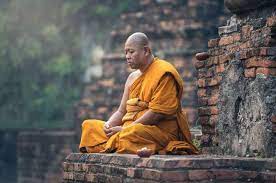
As taught by Buddhists, the idea of mitakpa is that everything born is subject to death and decay. They practice the concept by deliberately thinking about death and the dying process 3 times daily—once each in the morning, midday, and evening. You may be thinking what I was thinking when I read that. “Wow, what a miserable thing to do.” But when I learned how they expounded on that, it made a lot of sense both practically and philosophically.

They look at life as a journey towards a cliff in which everyone, inevitably, will walk off one day. It may be tomorrow, or it may be in 80 years, but one day it will happen. We have two choices regarding that cliff. We can either act like it isn’t there and be surprised when we find it, or we can acknowledge its existence and plan our course accordingly. It has real “one life to live” vibes but it hit me on a completely different level.

You can live a complete life without ever thinking about the cliff but imagine how differently you would chart your course if you made peace with the destination. I thought about who I was walking with, what we did along the way, and all the flowers I would regret not stopping and smelling on the way when I saw the cliff come into view.

I also thought about the people that chose to walk with me. Would they come to the end of their journey and wish they had walked with someone else? Was there something they wanted to stop and do along the way that I ignored while placing a higher priority on someone else? Good grief when you think about it, what an honor it would be for someone to choose to walk to the edge of that cliff with you. Am I doing everything imaginable to make their journey just as fulfilling as mine?
One great thing about youth is that, if you’re lucky, you don’t have to think about death very often. If luck continues to be on your side, you won’t have to deal with it much at all until you get older, more mature, and better capable of dealing with it properly. I was lucky on both counts but it seems as though my luck has finally caught up with me. I’ve now lost all my grandparents and recently just laid to rest my mother, who was 60.

My mom was still alive while I was reading “The Comfort Crisis,” but she wasn’t doing very well, and the thought of her potentially dying had begun to creep into my mind from time to time. I thought about her journey to the edge of the cliff and wondered if she had a fulfilling trip. I hoped she hadn’t experienced too many regrets and I prayed the time she spent with me was something that made her trip a little more enjoyable. I was also curious as to whether she could see the end or not and if she could, had she made peace with her journey? It comforts me to think that she did.

I don’t think about death 3 times a day as the monks do, but I do try to make a point to think about it from time to time. It takes me out of my comfort zone a little bit and helps keep me centered on the truly important things. I’m not an expert by any stretch of the imagination, but I do feel certain about one thing–life is a tremendous blessing and should be treated as such. I feel fortunate to be alive and healthy with no sign of my cliff in sight for the moment. When it finally does enter my horizon, I hope to greet it with a smile and walk off it with no regrets.

Your Straw is in the Bag

I was on a late evening chicken nugget run for the kids and decided to go through the drive-thru at one of the fast-food joints in town. I ordered, drove around, and paid for the food like a normal tax-paying citizen. When the young lady handed me the food she said, “Thank you. Your straw is in the bag.” I thanked her and proceeded to drive out of the parking lot. But then I realized something—I didn’t order a drink.


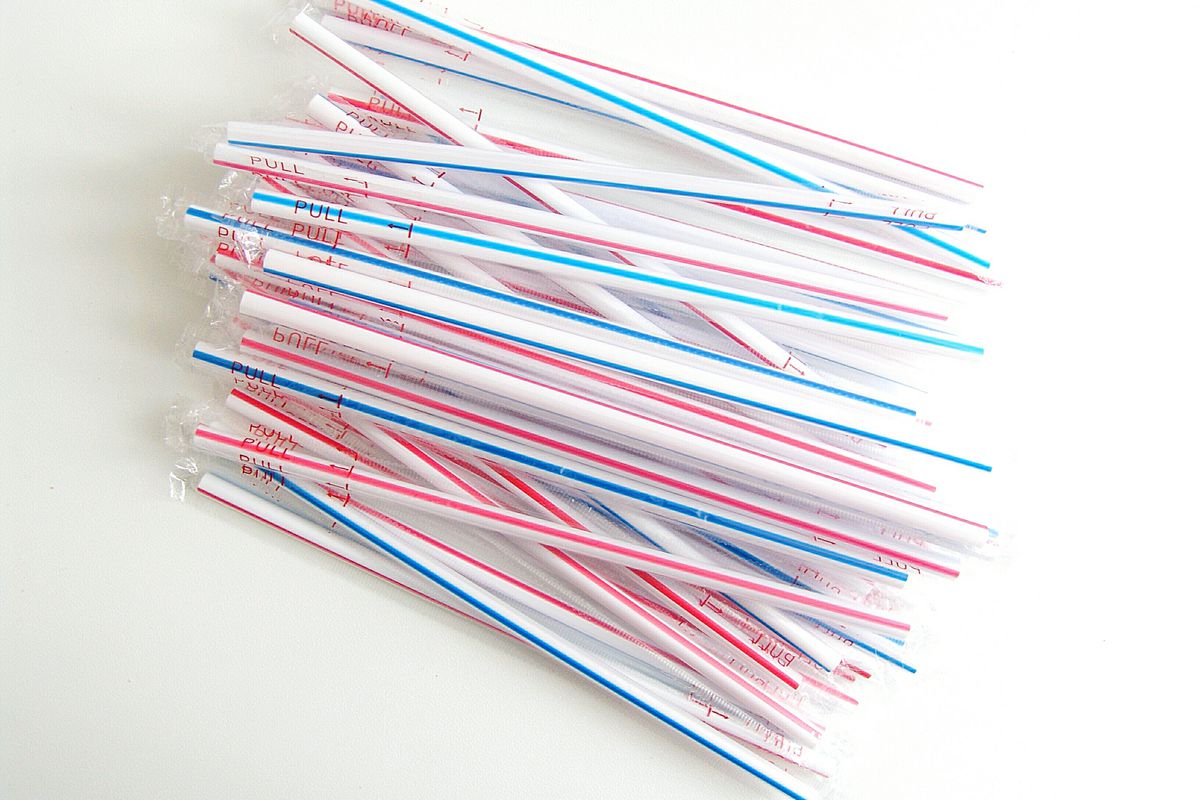
I opened the sack and, sure enough, there was a straw laying right there amid all the chicken nuggets and sweet and sour sauce packets. But, why? We went on to the house, ate dinner, and carried on with the rest of the night, but for some reason, I could not get that poor lost straw out of my mind.


After spending way too much time thinking about it, I concluded that the woman at the drive-thru window was so accustomed to handing customers a drink before or after their food that it was simply a habit for her to put the straw in the bag and let the customer know it was in there. It may even be company policy. Possibly, it is just something she decided to do after repeating the scenario thousands of times.


Whatever the reason, it made me reflect on my behavior and how I could potentially fall victim to making the same mistake with my interactions with people on any given day. One thing I have noticed about soul searching or doing a “check-up from the neck up” is that, if you REALLY do it the right way, you often won’t like the results. This time was no different.


How many times had I kissed my wife or told her that I love her purely out of habit? Did I even think about the action or the words at all? I wonder if she could tell the difference. How many times have my children wanted to tell me something and I just halfway listen to them? Their youthful enthusiasm will only last so long. Did I give their conversation the attention it deserved?


Have I had a friend who needed someone to talk to or a bit of advice? Were they using small talk to help build up the nerve to ask a question that might be hard for them to ask? I hope my indifferent or un-attentive attitude didn’t deter them from trusting our friendship enough to speak freely. Am I doing the best I can at work, or have I been on cruise control? Are there people or causes that I could have helped along the way if I hadn’t been for going through the motions nonchalantly?


I got some marriage advice from a man once that has stuck with me for a long time. To paraphrase, he told me that marriage was like traveling down a river in a 2-person canoe. If no one paddles the canoe, then it just goes wherever the river takes it. To get where you are doing, both people must be paddling in the same direction. I think this advice is not only great for marriage but also can be applied to life in general. If nothing else, just to remember that you are “on the river in a canoe” may help us be more deliberate with our behavior and how it relates to other people.


Being “deliberate”—I really like that term and I wish I could take credit for it. In my opinion, it is the best word to use when describing how we can keep from getting stuck in our behavioral ruts. I’ve tried this in my daily life and, let me tell you, it’s not as easy as it sounds. For others, it may look different, but for me it means putting the phone away for hours at a time, turning the TV off unless I am actively watching it, looking people in the eye when they are talking, planning my day, taking a moment to step back and look at what is truly important in my life RIGHT NOW, and sincerely thinking about what I think a good life would look in the near and distant future.


I’m not a psychologist, counselor, or guru, so maybe what I’m saying doesn’t relate to you at all. But, I can tell you that after a short time of making it a point to “be deliberate about being deliberate,” I can see some immediate positive impact in my personal life. I’d wager a hefty bet that the long-term benefits will be numerous as well. The young lady at the drive-thru window changed my perspective in a way in which very few people have done before. Maybe she DID know what she was doing. Either way, I’d like to thank her for putting that straw in my bag.

We Could All Use a Little Perspective

I was taking my daughter to preschool a few months ago and, like nearly every other morning, she was gearing up to conquer her day in an energetic and rambunctious way. She was singing random songs, quoting odd facts, and asking aimless questions. We took the same route we have always taken and we were at a particularly mundane section of the drive when one of her random thoughts hit me like a sack of bricks.

We were traveling north and the sun was at just the perfect spot in the sky to be obstructed periodically by the small buildings on the east side of the road. “Bye-bye sun! Hello, sun! Bye-bye sun! Hello, sun!” she would yell as the buildings blocked the light as we traveled on the highway. I’m not sure what it was about that particular morning that made me pause, but a thought came to my mind that I felt like I needed to share.

That big ball of gas has a radius of over 400,000 miles and is floating out in space more than 94 million miles away from our planet. It is so massive that its force causes 9 planets (or 10 for you Pluto purists) to orbit around it. It is the center of a solar system for crying out loud. So how is it even possible that it can be obstructed by a 1-story antique mall between Dardanelle and Russellville?

Well, it’s all about perspective. One definition provided by dictionary.com for that word is, “the state of existing in space before the eye.” We don’t have to be physicists to realize that where we are in relation to an object is just as much of a factor as size or distance from that object in terms of how we view it. We don’t think about it every day, but we just know. For instance, objects appear to be larger when you view them up close than they do from a further distance.

But, another definition provided for perspective is, “the state of one’s ideas, the facts known to one, etc., in having a meaningful interrelationship.” All of this made me think of something that I remember hearing on a youth group trip to St. Louis when I was no more than 12 years old. If it caught my attention at that age enough to stick, it’s probably worth repeating.

We were sitting in a Mcdonald’s that overlooked the freeway. It was late in the evening and all of the cars passing by looked like darting streams of light that were here one second and gone just as quickly. One of the adults at the table said, “You see all of those balls of light flickering down there? Every one of them has a person or family in it that has its own set of unique problems. Some of them may be dealing with the death of a child. Others may have just been fired from work. There may be someone who was recently diagnosed with cancer. Some have already lost hope and others may not even realize the blessings they have been given.”

I don’t think about that story as often as I used to, but I am grateful that my daughter’s dance with the sun brought it back to the front of my mind for a moment. The last 2 years have been hard on my family and there have been plenty of times that I sat around and felt sorry for myself. I’ve felt unloved, unappreciated, and even invisible at times. But one thing I’ve learned through it all is that the best weapon to fight an enemy like that is thankfulness.

I don’t know if anyone will read this or if anyone who happens to read this needs to hear it, but if there is someone out there looking for unsolicited advice, let me offer a thought that has helped me through the rough patches. When things feel like they can’t get any worse, look around at who and what you have in your life and be grateful for everything. Some of the things you take for granted would be tremendous blessings to those who don’t have them. A little bit of change in perspective can go a long way in easing the pain in your life. You may even be able to turn something bleak and dreary into something beautiful and fulfilling.

Seasons and Stages: Learning to Embrace Your Current Spot

Gradual changes over long periods of time have always been one of those things that just screws with my head. I remember being able to hold each of my kids in one arm and feeding them by bottle. Night after night I was not able to see them growing, but one day I wasn’t able to hold them like that anymore. When I look back on it, I can’t put my finger on the exact time in which it happened. But it certainly did happen.

As I have gotten older and experienced more people close to me dying, I’ve noticed that people who are old or sick seem to be at peace with leaving their earthly bodies. I’m convinced that when you get to a certain point in your journey, something in your soul changes and you just become okay with the prospect of death. Some people even seem to embrace it.

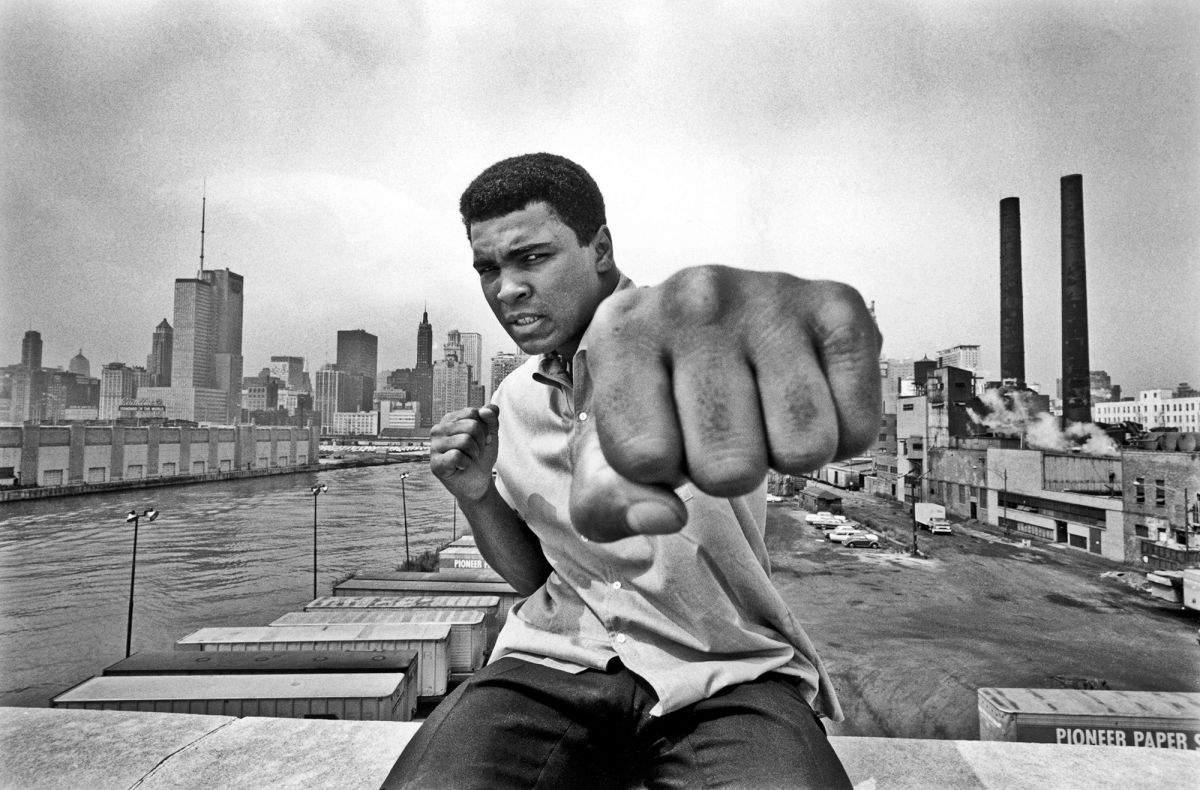
Muhammad Ali once said, “The man who views the world at 50 the same as he did at 20 has wasted 30 years of his life.” The first time I read that I thought it was kind of silly. Everyone always tells you that the secret to life is to never grow up. You must maintain that childlike spirit even as you age. If you do that, you will never get old.

But when I thought about how that applied to my life, it made total sense. I’ve just recently moved into a new “season” of my life. Just like feeding the babies, I can’t tell you exactly when it happened, but it hit me like a rock when it did. Ali wasn’t urging us to lose our youthful nature, but he was telling us that each stage of life Is unique and brings about its own challenges and joys.

I work with a couple of young guys who are just starting to build their stories. Their wives are pregnant with their first child and they are settling in with their first big purchases while anxiously waiting to see how their lives are going to be changed forever. I’ve been giving a ton of unsolicited advice and feel like some of the annoying older people who did the same thing to me all those years ago.

But more than anything, I have been reflecting on that previous season of my life. The glowing wife, the stack of bills, the unknown future, the restless delivery room, those first few months of terror and sleepless nights. My wife and I are not having anymore children, so I’ll never experience these things again. Every day my kids get a little bit further from their beginnings and closer to sprouting into their own skin.

My first emotion was a deep sadness. I don’t remember enjoying the lack of sleep on that sofa the nights our children were born. I remember some of the little things that use to be annoying realities of having a newborn. But all of a sudden, I was sad, and I missed those things. But I quickly realized that those things aren’t for us to experience forever. And now I understand what those annoying “old people” meant when the said, “Don’t blink, bud.”

So, I am embracing this new season in my life. I’m going to continue to help my kids develop into the best humans they can be, take steps to become a better husband to my wife, enjoy my time with loved ones while they are still here, and spew tons of advice to the younger kids while playing my part as the annoying old man.

With all the division we have in the world right now, it is comforting to know that for ages and ages, people really have always been about the same. Through war and famine and plague, the game keeps going on and on, even if the players shuffle positions every few years.

When Two Words Are All You Need

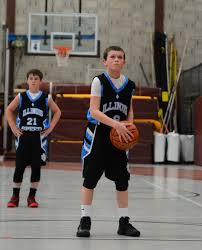
I’ve had a few people ask me if “A Letter to my DNA Provider” had reached its intended audience.  I wrote that letter straight off the cuff in one sitting and I really hadn’t put any thought into whether or not he would read it.  I certainly didn’t consider what his reaction would be if he did.  After I published it and noticed it racking up the view counts (many more than I ever dreamed), I said to myself, “Wow, he’s going to read this.”  My stomach turned with anxiety.  Part nerves and part excitement.  It was like being on the free throw line at the end of the game and knowing you were going to be either the hero or the goat.  But it had already been published.  You have to take the shot.

free throw

After almost a month of over 1600 views and much discussion, I transferred the thought of him reading the post to the back of my mind.  I even conceded that if he did read it, I would never know about it.  He wouldn’t comment.  He wouldn’t openly subject himself to that much criticism in a public forum.  Maybe he’ll send me an email.  Maybe he won’t do anything at all.

meme 1

Two nights ago, when I should have been sleeping, I was browsing Facebook on my phone and a notification popped up at the top of the screen for just a couple of seconds.  I glanced up to see the words, “Scott Griffin has replied to your post on WordPress.”  The anxiety came back, but this time it was almost to the point of nausea.  I stayed on the same page thinking that maybe if I didn’t acknowledge that I had seen the notification it would be as if it never happened.  I didn’t move a muscle for five minutes.  I knew if I opened and read that comment I would get no sleep.

anxiety

There was no option.  I had to open it.  It had an answer in there.  It may not be what I’m looking for but it is something.  And I have to find out what it is.

christmas kid

The comment and my reply can be found here. I don’t know what I was expecting.  Sunshine?  Rainbows?  An apology?  Acceptance?  I truly don’t know.  What I got was a reply from a man who felt like he had been backed into a corner by a crowd of people he doesn’t know.  In his words he was tried, convicted, and crucified by a group of people who only had one side of a story.  He thought he was being judged.  He went on the defensive.  He made it about himself.  How many dads out there would shut out a son who is actively trying to incorporate them into their life?  I mean, he expects me to believe that I was “ripped” away from him but just dismisses my attempt to reconnect because a bunch of people he doesn’t know and won’t ever meet had some harsh words to say about him?  Woooooooosh!

miss-the-point2

Those last two sentences will probably linger with me for some time.  “So you can move on with your good life, chapter closed.” Not so fast.  You DO NOT get to go out that way.  Let me be clear here, “move on” is not an option because I never stopped moving.  My life has been and will be good regardless of whether you are in it or not.  You are just an un-credited extra in the movie of my life who refused to show up for his big audition.  That’s it.  And don’t try to ride out on your white horse and act like you are doing this for me.  You know what I want.  I’ve spent far too long trying to milk out some kind of relationship with you.  You’ve made your choice, and thus I’ve made mine.  When I think about you from time to time during the rest of my life, I will always be reminded of those two words that you left me with.  The door that kept closing in my face every time I tried to peek through has officially been locked.  And dead-bolted.  Sealed.  Boarded up.  Those two words tell me all I need to know.

the-end

The end.