Embracing Failure: Lessons from Ted Williams

I should be more consistent with writing. I don’t usually sit down and think of a particular topic to write about. Most of the time, it just comes to me. Just the other day, I was thinking about “failure.” I realized that many things I write about have failure as a central theme. I don’t consider myself an expert on anything, but if I were to bestow that title on myself in some regard, it would be “Master of Failing.”


To be honest, I’m not even mad about it. It took a while to learn, but once I figured out that failing was an important part of growing, I decided to embrace it. I’m not saying that I have never made the same mistake twice, but I feel like most of my failures are unique, and I use them to fuel growth and development.


I’ve been in the car business for almost 20 years. When you are a professional salesperson, failure is a constant factor. Even the best in the industry don’t sell to every customer they talk to. A GOOD salesperson should expect to close 30%- 35% of the customers they interact with. To put it in perspective, if a baseball player gets a hit one out of every three times he goes to the plate, he’s considered a Hall of Famer. Similarly, if a salesperson closes a sale with one out of every three customers, they’re doing exceptionally well.


That means that the best players in the game’s history fail two out of every three times they have an at-bat.
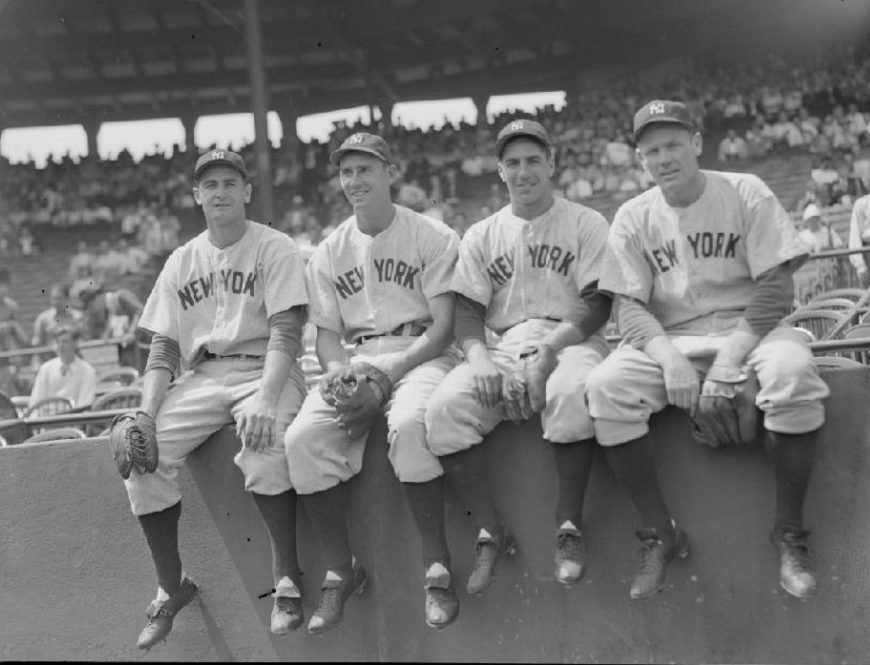

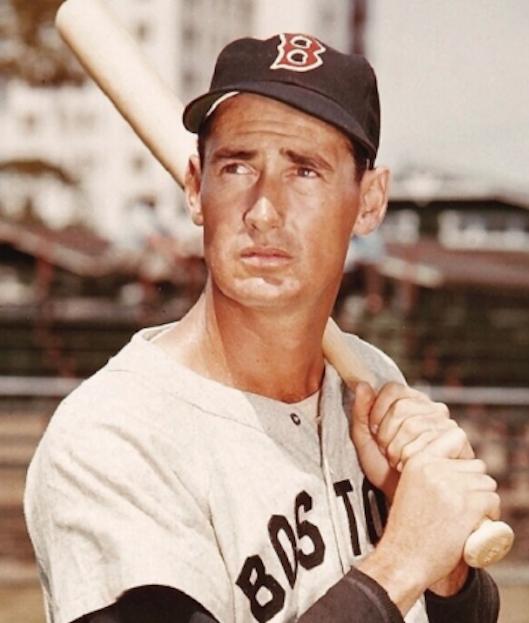
Today, I’m returning to 1941, when Ted Williams had arguably the best season at the plate in baseball history. He finished the ’41 season with a batting average of .406 with 37 home runs and 120 RBIs. To provide context, .200, the Mendoza line, is considered the low-end threshold for professional ball players. The average batting average of Hall of Famers is .303.


Williams played in 143 games that season and had 456 at-bats. But the breakdown of three particular stretches of that 1941 season interests me the most.


On April 30th, Williams entered the game hitting .462. Over the next four games, he hit .182, dropping his season average to .310.


By June 21st, he had battled his way back up to .415. But he only hit .318 over the next 21 games, dropping that average all the way down to .393.


His average peaked again at .413 during the heat of the pennant race in early September. But a .292 stretch over the next 17 games saw it drop right to the .400 mark near the end of the season. Entering the last day of the year, he was so close to the .400 mark that a bad day at the plate would have kept him from reaching that sacred number.


This is important because even though his season as a whole is considered extraordinary, not every day, or even week, was even considered average. But during those subpar stretches, Ted Williams didn’t panic. He didn’t change up his swing. He didn’t stay down in the dumps and stop coming to work. He showed up every day, stepped inside that chalk-outlined box, and did his job to the best of his abilities. And he let the chips fall where they may.


The most significant lesson I’ve learned about failure is that it’s interwoven into the fabric of success. It’s more about ‘fall, learn, grow’ than ‘pass or fail.’ These three unremarkable stretches of Ted Williams’ historic season wouldn’t impress anyone. But his resilience and determination during those times are just as, if not more, important than his successes.


We get so caught up in results that sometimes we lose focus on the processes. Instead of getting up and walking out of the pit of despair, we let ourselves get so deep that we can’t even climb out. We let our losses define us even though we may be on the cusp of a breakthrough. Our inactivity lets the tide sweep us back to the starting line when riding the wave will get us closer to our destination.


I used to tell kids when they’d ask me a question, “I wish I had it all figured out.” I don’t tell them that anymore because it isn’t true. I’m glad I don’t have it all figured out. My next failure is always right around the corner, and I’m excited to see what revelation it will lead to. I try (emphasis on “try” ) to be consistent and open-minded while keeping a positive attitude. In the words of the great poet Henry Longfellow: “Learn to labor and to wait.”


Show up. Stay the course. Keep your head high. Learn. Don’t quit. Don’t ever quit.
The Two Paths of Decision-Making

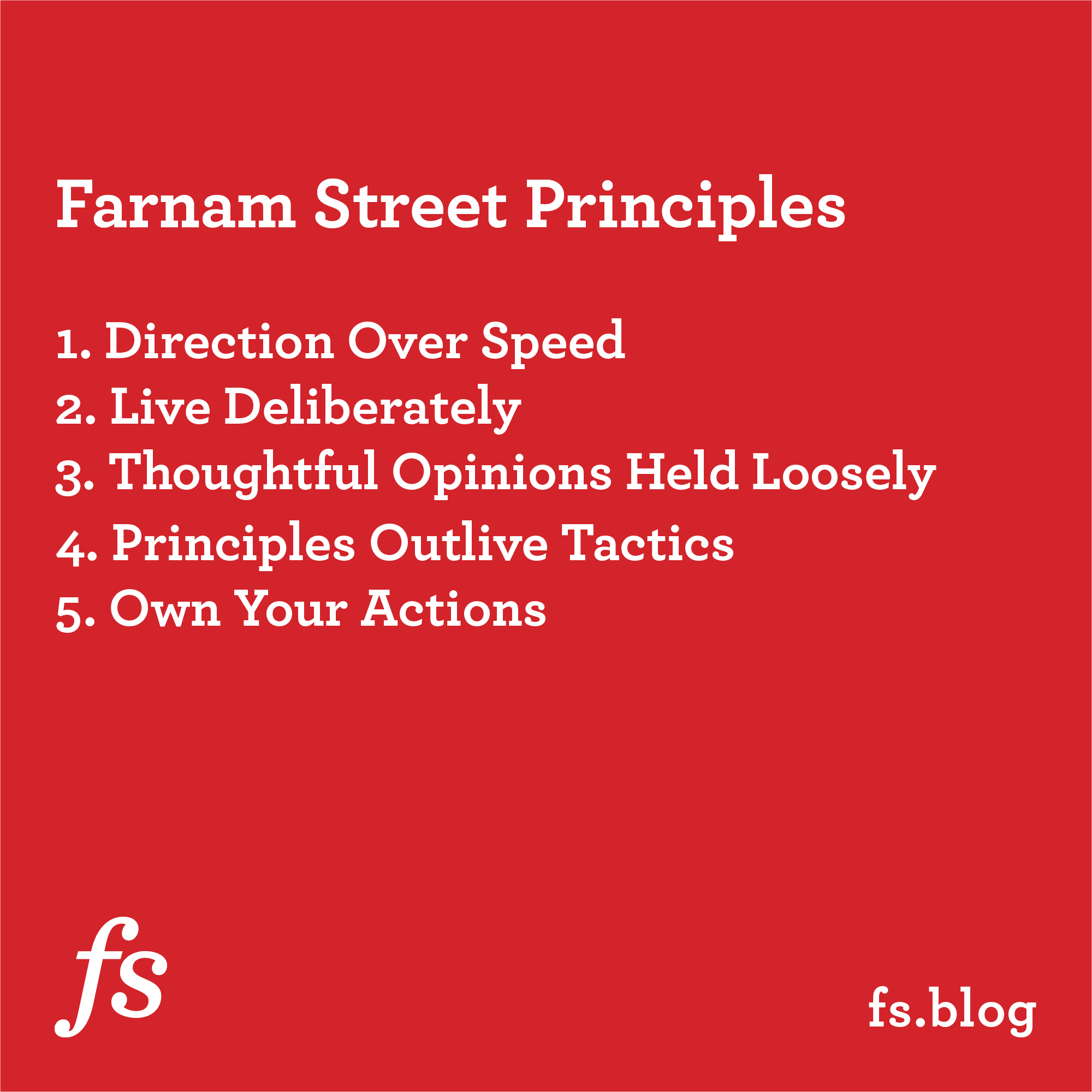
There is an infinite number of rabbit holes a person can find while using the internet. Some are dark and creepy. Others are light-hearted and funny. Many of them will find you wishing you had the time spent back, and a few of them may help you be more productive. One of my recent rabbit hole dives led me to The Knowledge Project, a podcast hosted by Shane Parrish. From that podcast, I found his website, The Farnam Street Blog, which provides articles and exposes that center on how and why we handle the process of decision making.

There are some fascinating articles on the blog and some fantastic interviews on the podcast. I would suggest checking either or both of them out. But one theme that pops up now and then is the idea of making decisions based on the probable outcome. More specifically, do you make decisions based on the best possible ending or eliminating the worst-case scenario?

fs.blog

Most people would probably pick like me and say the former rather than the latter before they put a lot of thought into it. On the surface, who wouldn’t want the “best possible outcome?” But when you look back on your life and analyze some of your decisions, is that what you did? And if not, do you regret it? Will you change the way you make your decisions going forward? Let’s look at two different scenarios and then think about how you handled or will handle them in your life.

Love

If you could see fifty years into the future when choosing who you will spend your life with, how does your ideal scenario play out? For me, it would be a lifelong love affair with someone I connect with on the deepest level. It would be hills and valleys but having them right there by my side the whole time. They would be by my side for the suffering and the joy, and we would share our experiences every step of the way. I’m sure everyone’s answer is a little different, but that’s what it would look like for me. On the flip side, though, what kind of roadblocks would you have to stumble over if you made your choice like that? How much would you overlook, and how far would you let it go?

But what if I decided to eliminate the worst-case scenario? I would probably settle down with someone financially secure who had good genes to pass down to our children. And, we would take those pictures in the fall with the trees in the background (to make sure the grandparents were pleased). I would probably even sacrifice passion and attraction for security and acceptance.

Now I’m not saying that you can’t have both, by the way. And, I’m not saying you’re wrong if you choose to go with the more safe and secure path. I think it’s interesting how we shape our lives by eliminating some of the variables that could leave us vulnerable in the end–nothing more and nothing less.

Career

The best-case scenario in your career would be sticking to the adage, “Find something you love to do, and you’ll never work a day in your life.” If you can take a passion, skill, or gift and find a way to monetize it over the long term, you will probably end up very fulfilled and satisfied when it is time to retire. But there are apparent risks while traveling down this path. How long do you have to wait before your passion becomes lucrative? How many times do you have to fail until you get it right? How does that affect your health and your family?

In this situation, the worst-case scenario is finding yourself broke and not providing for your family. How do you eliminate that? Most people decide to find a place that will pay them regularly, and they trade out that paycheck for 40 hours or more a week. There’s not much risk involved as most jobs won’t require a financial investment. If you can handle the workload and hours, you will have some change in your pocket at the end of the week after making enough money to provide for your family.

Again, there is nothing wrong with either one of these options. One is more romantic and risky, and the other is safe and secure. It just goes to show you how our decision-making process can shape the way our lives play out. The examples I mentioned above would be considered “major choices” in the long run. Still, we make these same kinds of differentiation in almost every micro decision we make daily.

How did it affect your most recent car purchase? What about your interaction with the person in line in front of you at the bank? Even when picking out what music to listen to on the road home or where to pick up takeout, we are constantly weighing the option of “best possible outcome” or “eliminating the worst-case scenario.”

I believe the key to living a satisfying life is finding the harmonious balance between these two ways of making decisions. After all, we are only the sum of our choices. Choose wisely, my friends! Too much risk may find us in the shower biting our knees in agony, but not enough of it may leave us cold and unfilled.

Resentment is a Dead End Road

I like putting dictionary definitions in my blog posts. Sometimes I even look up familiar words on my own to get some bonus context from them. I’ll get these out of the way quickly:

resentment; noun
the feeling of displeasure or indignation at some act, remark, person, etc.

indignation; noun
strong displeasure at something considered unjust, offensive, insulting, or base

unjust; adjective
not just; lacking in justice or fairness

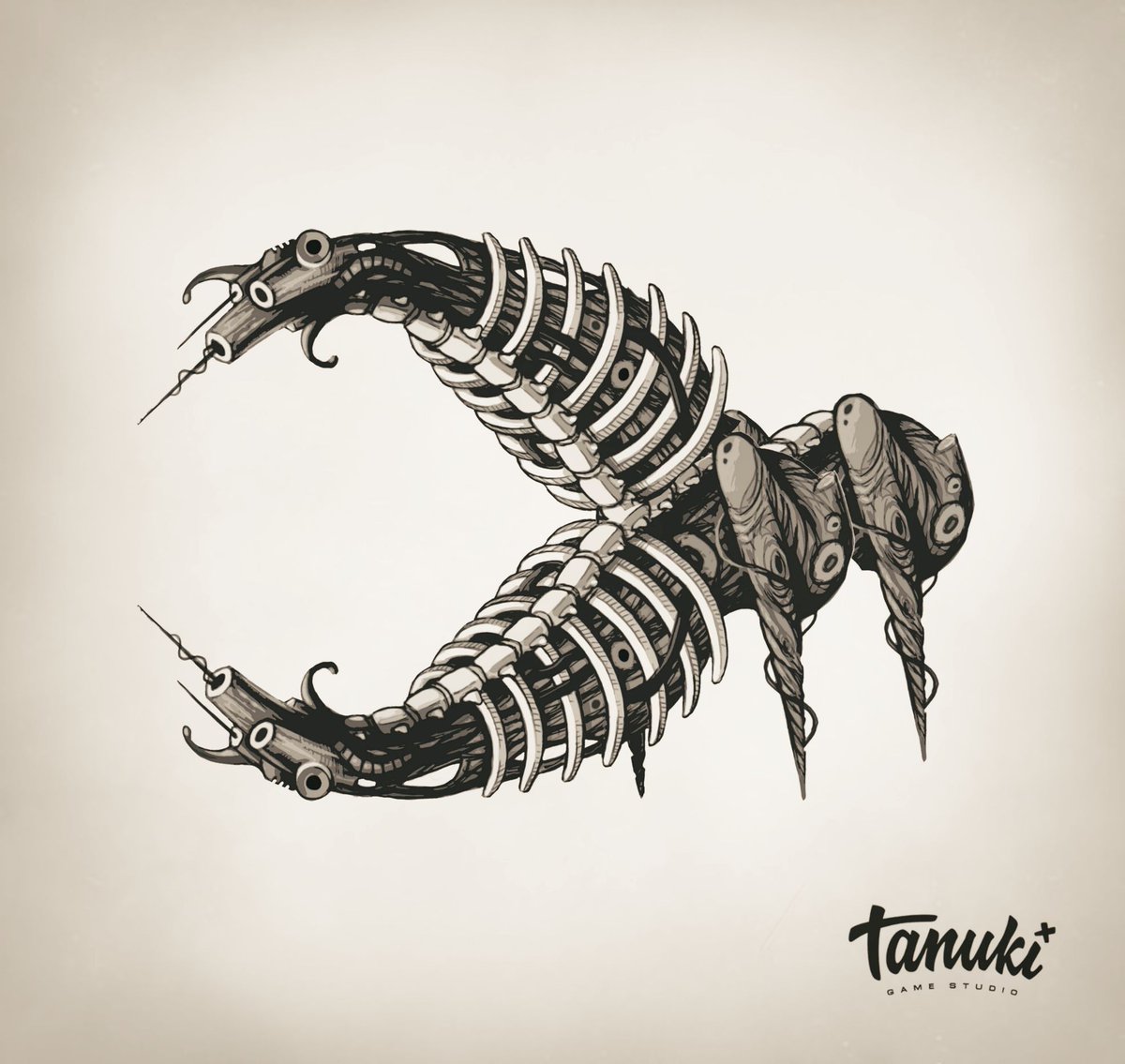
My simplified definition of resentment would have to be “the feeling of displeasure at an unfair act or person.” Of all the emotions I have ever experienced, this is the one that seems to do the most damage to relationships. I’ve seen it happen to others and have also witnessed it within myself. When I try to visualize what resentment would look like, I see a monstrous beast that sets its hook-like appendages into your heart. Once those hooks get placed, it’s challenging to be set free from its grasp.

I think there are many causes for resentment, but I’m going to narrow it down to three for this blog post. These are solely based on my experience, and, like always, I should note that I am not an expert on the matter—just a guy who has experienced some things and likes to share. I’m going to list the prominent three causes of resentment and offer ways in which you may be able to free yourself from it.

Unrealistic Expectations
Unless otherwise provoked, I believe most of us start any interaction with good intentions. My pastor, Mark Lykins, said something from the pulpit years ago that stuck—“Humans are bad judges by nature because we judge other people by their actions, but we judge ourselves by our intent.” I had never thought about it that way, but it makes a ton of logical sense. Removing our ego can help improve our interactions and relationships as well.

Try to imagine that everyone possesses a constantly changing hierarchical pyramid that controls their interactions. The tip of this pyramid would be the highest valued person, principle, or result at any given time. There may be scenarios in which you feel like your presence or your idea should be at the top of someone’s pyramid when something or someone supersedes it by no fault of their own. It would be arrogant for any of us to believe that we should be at the top of every pyramid all the time. But, if we feel like we should be a higher priority but get treated like we are not, resentment will almost surely set in.

So, how can we navigate this? Be aware of your ability to not live up to other people’s standards and make concessions for people who don’t live up to yours. Understand that life is complex and has many layers, and, as lovely as it would be, things don’t always line up in the way you want them to. Manage your expectations of others while demanding more of yourself.

Not Being Heard/Not Being Able to Speak

Have you ever been around a new mother when they hear their baby start to cry? Something innate in us causes us to cry out when we need something or feel unpleasant. There is also something deep inside that compels us to respond when we hear someone crying out. There are very few people who could walk away from a crying baby without batting an eye.

Most of us (hopefully) grow out of that stage where we wail at the top of our lungs until someone comes to our aid. But, that instinctual feeling to be heard never goes away. On the flip side, we tend to lose the empathetic nature we have for other people as they get older.

Babies aren’t emotionally mature enough to harbor resentment, but you don’t need me to tell you how damaging it can be to them when someone repeatedly ignores their cries. As we get older and develop our emotions and personalities, having someone shut you out can feel unjust and eventually strain relationships.

Similarly, feeling like you are unable to speak has the same effect. Maybe you don’t feel like you are qualified to vocalize your thoughts on a particular topic. Perhaps you are in an emotionally abusive relationship and feel like your opinion or idea doesn’t matter. Or maybe you are even paralyzed by the fear that what you say or how you say it may come across in an unintended manner. One thing is for sure—if you don’t say it, then they won’t hear it.

So how can you make sure these things don’t cause resentment to sink its ugly teeth in your heart? Firstly, you need to think about whether the things you are saying are essential enough to vocalize or if remaining silent may be a better option. A lot like managing your expectations, it can be arrogant to think that your voice holds more weight than anyone else’s. But, if you have decided that you must express your concern, then the pathway is simple—speak. If the other person refuses to hear you, firmly let them know that what you are saying is important and you need them to listen to you. It may be nerve-racking, but it beats the alternative.

Someone Taking Advantage of You

This one is tough for a couple of reasons. No one likes to be taken advantage of, especially when the person doing it is someone you care dear to you. It can be complicated to distinguish between someone consciously taking advantage of you and someone who may not realize they are doing anything at all. Either way, it is not a comfortable situation.

The unfortunate truth is that there are probably people in your circle who are so self-centered they will knowingly sacrifice their good relationship with you to further their agenda. I can’t speak for everyone, but I know I have dealt with those people in different parts of my life. Typically people like this are trained in the art of manipulation, and they can be hard to spot. Once spotted, though, it is usually an easy decision to create some distance between your life and theirs.

The other type is a lot harder to identify because they don’t even realize they are taking advantage of you and are ignorant of its impact on your relationship with them. It can also be intimidating when you think about confronting the person because often, they can be in your closest inner circle. And, if truth be told, part of the reason they get away with it is that you have enabled that kind of behavior for quite some time.

To me, this is the hardest of the bunch to nip in the bud before resentment takes hold. It is vital to voice your concerns to the other party, no matter how uncomfortable the situation may become. After all, most everyone would trade some minor discomfort to salvage a close relationship. After you speak to them about the issue, set some firm standards and boundaries for behavior that you feel is acceptable and not acceptable. Finally, make sure to be clear with the other party of the limits of your boundaries so you can both be on the same page.

When I make a post like this, I always feel the need to mention several times that I am not a professional. Please consult a therapist if you think resentment may be on the verge of costing you a special relationship. A year ago, I would have never dreamt that I would set foot in a psychiatrists’ office, but after many sessions, I can tell you that there is great value in talking to someone about your issues. The only thing I can tell you with certainty is that resentment and bitterness are hazardous emotions, and they can eat away at you from the inside out. It may start with the loss of a close friend or family member, but it has the potential to change your whole character and personality. I hope this helps someone!

When Two Words Are All You Need

I’ve had a few people ask me if “A Letter to my DNA Provider” had reached its intended audience.  I wrote that letter straight off the cuff in one sitting and I really hadn’t put any thought into whether or not he would read it.  I certainly didn’t consider what his reaction would be if he did.  After I published it and noticed it racking up the view counts (many more than I ever dreamed), I said to myself, “Wow, he’s going to read this.”  My stomach turned with anxiety.  Part nerves and part excitement.  It was like being on the free throw line at the end of the game and knowing you were going to be either the hero or the goat.  But it had already been published.  You have to take the shot.

free throw

After almost a month of over 1600 views and much discussion, I transferred the thought of him reading the post to the back of my mind.  I even conceded that if he did read it, I would never know about it.  He wouldn’t comment.  He wouldn’t openly subject himself to that much criticism in a public forum.  Maybe he’ll send me an email.  Maybe he won’t do anything at all.

meme 1

Two nights ago, when I should have been sleeping, I was browsing Facebook on my phone and a notification popped up at the top of the screen for just a couple of seconds.  I glanced up to see the words, “Scott Griffin has replied to your post on WordPress.”  The anxiety came back, but this time it was almost to the point of nausea.  I stayed on the same page thinking that maybe if I didn’t acknowledge that I had seen the notification it would be as if it never happened.  I didn’t move a muscle for five minutes.  I knew if I opened and read that comment I would get no sleep.

anxiety

There was no option.  I had to open it.  It had an answer in there.  It may not be what I’m looking for but it is something.  And I have to find out what it is.

christmas kid

The comment and my reply can be found here. I don’t know what I was expecting.  Sunshine?  Rainbows?  An apology?  Acceptance?  I truly don’t know.  What I got was a reply from a man who felt like he had been backed into a corner by a crowd of people he doesn’t know.  In his words he was tried, convicted, and crucified by a group of people who only had one side of a story.  He thought he was being judged.  He went on the defensive.  He made it about himself.  How many dads out there would shut out a son who is actively trying to incorporate them into their life?  I mean, he expects me to believe that I was “ripped” away from him but just dismisses my attempt to reconnect because a bunch of people he doesn’t know and won’t ever meet had some harsh words to say about him?  Woooooooosh!

miss-the-point2

Those last two sentences will probably linger with me for some time.  “So you can move on with your good life, chapter closed.” Not so fast.  You DO NOT get to go out that way.  Let me be clear here, “move on” is not an option because I never stopped moving.  My life has been and will be good regardless of whether you are in it or not.  You are just an un-credited extra in the movie of my life who refused to show up for his big audition.  That’s it.  And don’t try to ride out on your white horse and act like you are doing this for me.  You know what I want.  I’ve spent far too long trying to milk out some kind of relationship with you.  You’ve made your choice, and thus I’ve made mine.  When I think about you from time to time during the rest of my life, I will always be reminded of those two words that you left me with.  The door that kept closing in my face every time I tried to peek through has officially been locked.  And dead-bolted.  Sealed.  Boarded up.  Those two words tell me all I need to know.

the-end

The end.