Embracing Failure: Lessons from Ted Williams

I should be more consistent with writing. I don’t usually sit down and think of a particular topic to write about. Most of the time, it just comes to me. Just the other day, I was thinking about “failure.” I realized that many things I write about have failure as a central theme. I don’t consider myself an expert on anything, but if I were to bestow that title on myself in some regard, it would be “Master of Failing.”


To be honest, I’m not even mad about it. It took a while to learn, but once I figured out that failing was an important part of growing, I decided to embrace it. I’m not saying that I have never made the same mistake twice, but I feel like most of my failures are unique, and I use them to fuel growth and development.


I’ve been in the car business for almost 20 years. When you are a professional salesperson, failure is a constant factor. Even the best in the industry don’t sell to every customer they talk to. A GOOD salesperson should expect to close 30%- 35% of the customers they interact with. To put it in perspective, if a baseball player gets a hit one out of every three times he goes to the plate, he’s considered a Hall of Famer. Similarly, if a salesperson closes a sale with one out of every three customers, they’re doing exceptionally well.


That means that the best players in the game’s history fail two out of every three times they have an at-bat.
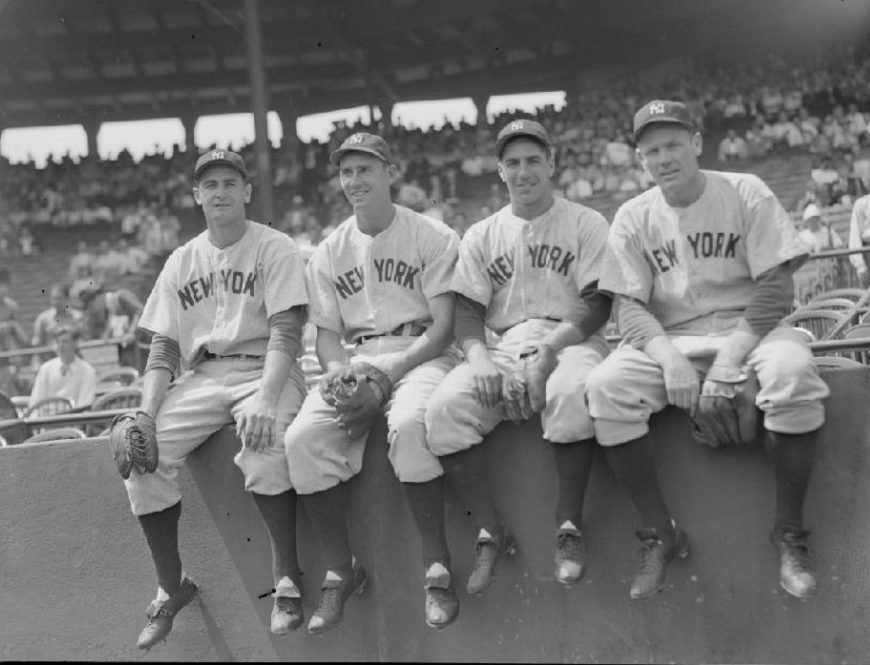

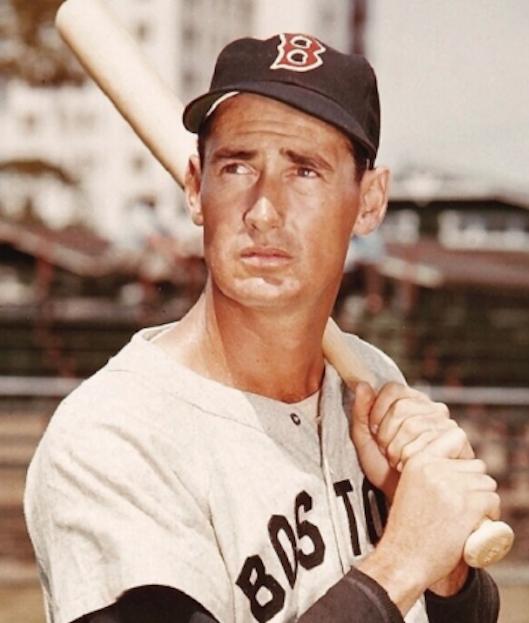
Today, I’m returning to 1941, when Ted Williams had arguably the best season at the plate in baseball history. He finished the ’41 season with a batting average of .406 with 37 home runs and 120 RBIs. To provide context, .200, the Mendoza line, is considered the low-end threshold for professional ball players. The average batting average of Hall of Famers is .303.


Williams played in 143 games that season and had 456 at-bats. But the breakdown of three particular stretches of that 1941 season interests me the most.


On April 30th, Williams entered the game hitting .462. Over the next four games, he hit .182, dropping his season average to .310.


By June 21st, he had battled his way back up to .415. But he only hit .318 over the next 21 games, dropping that average all the way down to .393.


His average peaked again at .413 during the heat of the pennant race in early September. But a .292 stretch over the next 17 games saw it drop right to the .400 mark near the end of the season. Entering the last day of the year, he was so close to the .400 mark that a bad day at the plate would have kept him from reaching that sacred number.


This is important because even though his season as a whole is considered extraordinary, not every day, or even week, was even considered average. But during those subpar stretches, Ted Williams didn’t panic. He didn’t change up his swing. He didn’t stay down in the dumps and stop coming to work. He showed up every day, stepped inside that chalk-outlined box, and did his job to the best of his abilities. And he let the chips fall where they may.


The most significant lesson I’ve learned about failure is that it’s interwoven into the fabric of success. It’s more about ‘fall, learn, grow’ than ‘pass or fail.’ These three unremarkable stretches of Ted Williams’ historic season wouldn’t impress anyone. But his resilience and determination during those times are just as, if not more, important than his successes.


We get so caught up in results that sometimes we lose focus on the processes. Instead of getting up and walking out of the pit of despair, we let ourselves get so deep that we can’t even climb out. We let our losses define us even though we may be on the cusp of a breakthrough. Our inactivity lets the tide sweep us back to the starting line when riding the wave will get us closer to our destination.


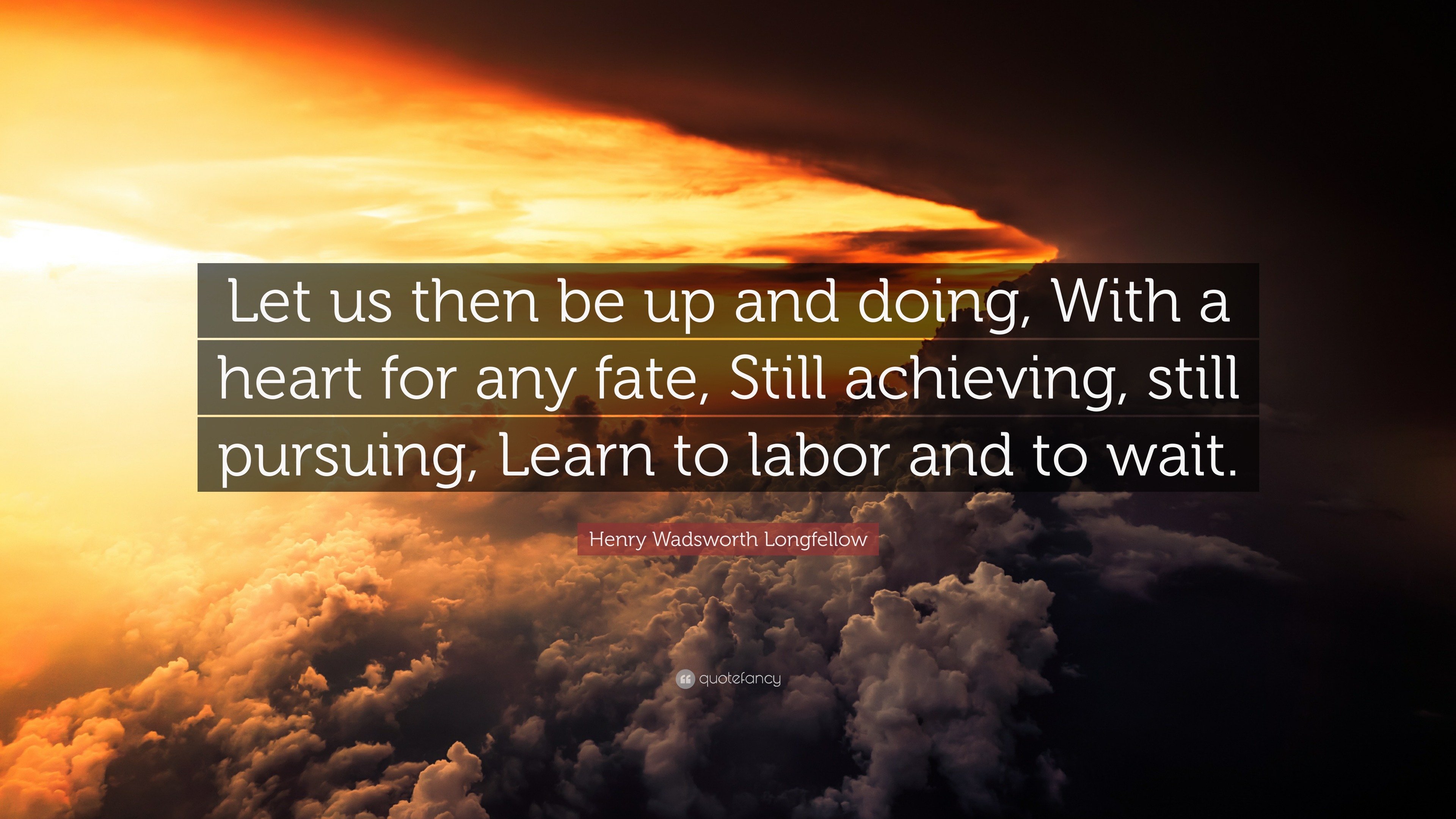
I used to tell kids when they’d ask me a question, “I wish I had it all figured out.” I don’t tell them that anymore because it isn’t true. I’m glad I don’t have it all figured out. My next failure is always right around the corner, and I’m excited to see what revelation it will lead to. I try (emphasis on “try” ) to be consistent and open-minded while keeping a positive attitude. In the words of the great poet Henry Longfellow: “Learn to labor and to wait.”


Show up. Stay the course. Keep your head high. Learn. Don’t quit. Don’t ever quit.
Clarity and the Responsibilities Which Come With It

As I sat in the pew every Sunday morning in church, I heard people pray for ‘clarity.’ As a kid, I didn’t understand what that meant. To me, life was simple—no responsibilities, no stakes. But as I grew older, I realized that clarity is one of life’s most sought-after yet elusive aspects. It’s what we crave when we’re faced with hard decisions and uncertain futures 

I’ve had many moments in my adult life where I did just that. All I wanted was a clear path to form before me. I’ve been faced with hard decisions and made tough choices without having enough information present. What I wouldn’t have given for an “eliminate the worst option” or “freeze time” card that could have helped me along the way. Or better yet, why can’t someone just make the RIGHT decision for me?

There is no proverbial light bulb that goes off. You don’t just scratch your head until you have your “aha” moment. Clarity comes when the tangled web of your experiences and your chaotic glimpse of the future magically line up. It’s when you know something must be done in a specific way or in a certain amount of time. In the sense I am writing about, clarity is seeing the best version of a particular part of your life and an actual path toward getting there.  It is more than just a moment of insight—it’s that instant when you know, without a doubt, what you need to do, whether it’s finally taking that job offer or walking away from a toxic relationship. 

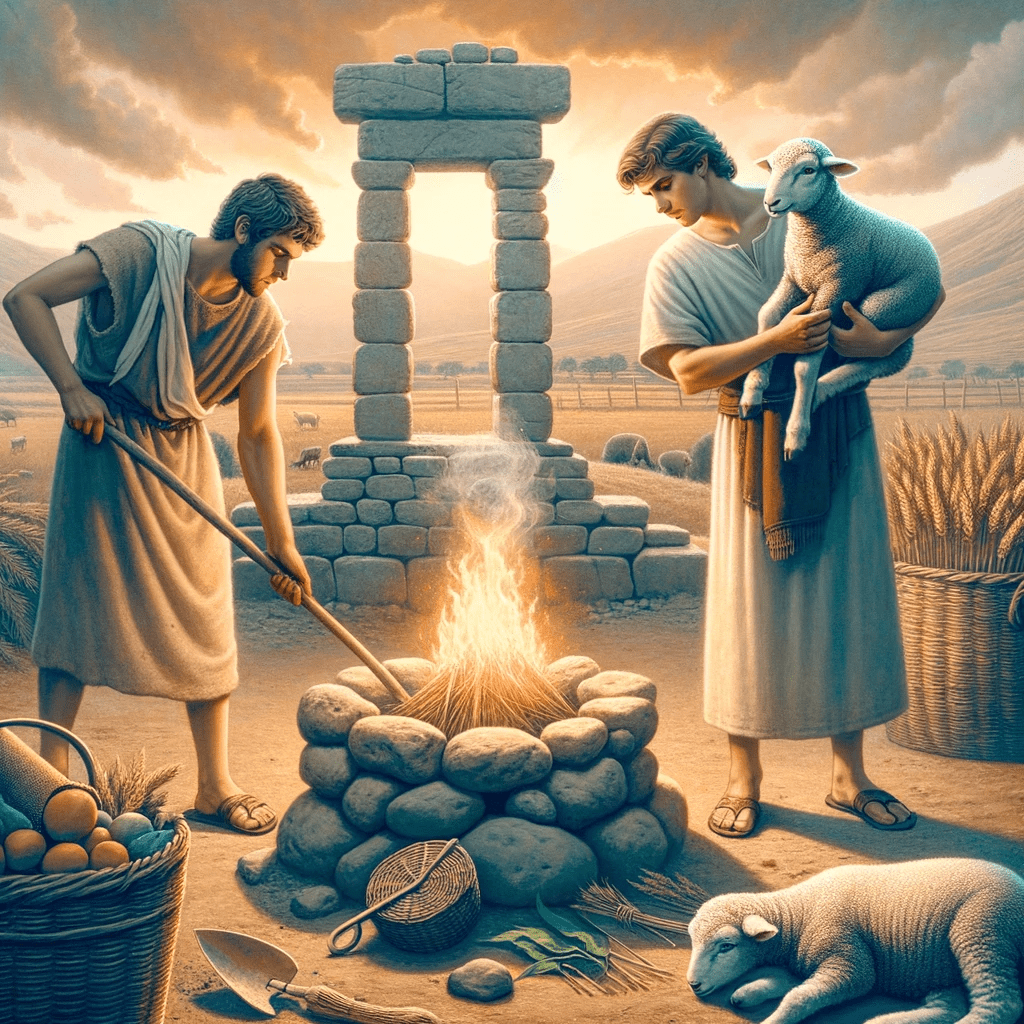
This struggle and the challenge of its brother, hindsight, are not new; they’re as old as time, as seen in the story of Cain and Abel. We all know the story, and I believe that, more than anything, it is a vital allegory about personal responsibility. When Cain sees his brother’s treatment for his hard work and sacrifice, he realizes that he would be getting the same treatment if he had willfully performed the duties asked of him. We’ve all been there to a certain extent.

Imagine finding yourself at the bad end of a situation and then realizing YOU are the one to blame. Everything on the test was covered in class, but YOU didn’t study it. Your transmission goes out in your truck, but YOU blew your money instead of saving it. Your boyfriend breaks up with you because YOU didn’t take the time to learn how he needed to be loved.

Hindsight is 20/20, but clarity happens when you learn these things before it’s too late. Unfortunately, it’s not always as easy as studying for a test or saving money. The problems of life come with layers and complexity.

My grandma always said to be careful when praying for patience or courage because the Lord won’t just give it to you. You’ll have to earn it. He’ll give you opportunities to practice patience and put you in situations that allow you to be courageous. Those aren’t always the most popular places or events to be involved in. I’ve learned the same thing about clarity.

There is a sense of comfort and security in the ambiguity of the future. If you can’t tell what you COULD become, COULD obtain, or the relationships you COULD cultivate, then missing out on them doesn’t hurt. You never saw them and can’t lose what you never had. You can blame outside circumstances, timing, or many other things that are not in your control. You can easily avoid blaming yourself.

Clarity puts the responsibility squarely on your shoulders. It forces your decisions and actions to align with a target. Missing that target has tangible consequences. It requires you to be the best version of yourself so you can be ready to accept the blessings when they start pouring in. It means making multiple sacrifices in the present for what you will obtain in the future. This can be a tireless and trying task. It’s not the carrot at the end of a stick. It’s what awaits you after navigating through the labyrinth.  

Clarity is a powerful gift, but it’s also a call to action. It demands that we face the truth of our choices and take responsibility for our future. Whether we embrace it as a blessing or shy away from it in fear, clarity offers us a chance to shape our destiny. Either way, it’s one hell of a thing to experience. The question is: will we rise to the challenge?

Blades of Potential

Disclaimer: I always need to reiterate that if I write and publish it, I believe it. How we all apply it to our lives is the hard part. As much as I relate to these ideas, implementing them has sometimes been challenging. If this life can be “figured out,” I haven’t done it yet. Writing gets it from my brain to a place where I can think more clearly. Blog posts like this are a way to keep steering in the right direction.

I subscribe to a fantastic newsletter from Farnam Street called Brain Food. Here is the link if you want to sign up : https://fs.blog/newsletter/ The whole idea behind Farnam Street is to help you master the things that other people have already figured out. The weekly newsletter is a catalog of articles around the internet that help you see things through a different lens. A few months back, one of the feature articles reported from MIT on a study in which scientists were trying to figure out why razor blades were so easily damaged by hair.

If you’re like me, you’ve probably not thought much about the disposable nature of razors. More than likely, you buy a new pack when the old razors get dull. But when you think about it, it really is a bit odd that something made of stainless steel is damaged by something as soft as human hair. The article even mentions hair is 50 times weaker than steel, yet only a single piece can cause the edge to chip. Once one initial chip or crack is present, it becomes susceptible to more chipping, eventually causing the entire edge to become dull.

At this point in the article, I had an idea of what could cause the problem, but I wanted to read more to be sure. All I could think about was how our lives can be turned upside down, flipped around, and tossed about by small things that turn into big things. Sure, you can take a hammer to a razor blade and destroy it in a heartbeat, but more often, they get worn down over time until they eventually can’t work to their full potential. That sounds an awful lot like our lives as humans.

Here is a link to the article. Long story short, the team found three reasons that a blade could become more prone to chipping:

· The microstructure of the steel is not uniform

· The blade’s approaching angle to a strand of hair

· The presence of defects in the steel’s microstructure

I believe there are similar reasons we can become prone to “chipping” as well.

· Our foundation and governing principles are not uniform

· Our approach angle to our mundane, everyday tasks

· The presence of defects in our foundation (blind spots)

Developing our foundation and governing principles starts before we have any control over their creation. It begins with our genetics and parents, and over the years, other people come into our lives that help shape them as well. Friends, teachers, coaches, mentors–all have a huge role to play in our development. Eventually, we mature to a point where we begin to think independently, but our past relationships and experiences affect us in ways we couldn’t control, even if we wanted to.

Having different opinions on different topics is normal, but the things that we believe on a foundational basis are rarely if ever, changed. And if they are, you can bet it is a challenging process. When these principles are at odds with each other, they cause a rift, which leaves us as a prime target for internal conflict. “No man can serve two masters: for either he will hate the one and love the other, or else he will hold to the one and despise the other.” — Matthew 6:24-26

To remedy this, we must do some soul-searching and figure out what we TRULY believe. We must know who we are and be conscious enough to understand that we can’t fool ourselves. If our actions don’t align with what we believe, then there is no uniformity in our microstructure, and it’s only a matter of time before our foundation starts to crumble.

Those actions are the second reason we don’t reach our potential. We get so caught up in the “big” parts of our lives that the daily tasks and how we perform them get lost in the shuffle. Martha Beck coined the phrase, “How you do anything is how you do everything.” If she’s right, that is one of the most profound statements I’ve ever read.

Our life really is a whole bunch of little things done over and over again and sprinkled with the occasional “big” thing. A 75-year-old man may take 50 family vacations over the years, but he has dinner with his wife 18,250 times over that same period. Which one of those is more important at the end of his life? Doing the little things right can be tedious and mundane, but how we approach and attack them can make all the difference in the world. 

Just like a blade can have defects in its microstructure, we, too, can have defects in our foundation. These blind spots can give us a false sense of how our world works. The great Persian poet Rumi said it best: “Yesterday I was clever, so I wanted to change the world. Today, I am wise, so I am changing myself”.

The most significant defect in our foundation is denying the prospect that we could be wrong about something—or everything. When we refuse to entertain the possibility that our ideas can be tested–and even changed– we reject the opportunity to grow into our full potential. 

Razor blades are disposable. It would make little sense to inspect each one at a microscopic level or study the effects of each shaving session on the edges of the blade. Our lives, though–they are anything but disposable. The great news is that if we create a strong foundation within ourselves, become open to learning and growing, and embrace the importance of the small things with passion, we can grow closer to unlocking our full potential. It may not make the pages of an MIT research magazine, but it will help make our small circle of influence exponentially better. 

Shoot for the Moon…or Anywhere–Just Shoot

“Shoot for the moon. Even if you miss, you’ll land among the stars.” I think I heard that line a million times when I was growing up. If I’m not mistaken, it was actually the Senior motto of our graduating class (it “beat out,” another less appropriate phrase that everyone REALLY voted for). In practical terms, it means to set a goal, work towards it, and then let the results fall where they may. Assuming you work hard, you can be proud of whatever happens.

Okay. I get that. On the surface, it is a harmless little motivational whim that can make us all feel better about the randomness and injustices of life. But as I’ve gotten older (hopefully a little wiser), I’ve thought about this often. I’ve come to the conclusion that this quote is misguided. The problem is that no one ever talks about the how. What exactly does it mean to “work hard?” It shouldn’t be about the moon; it should be about the “shooting.”

The problem lies with the destination. If everyone is shooting at the same target, many people will definitely hit the mark. But how? Many variables are operating behind the scenes. Genetics, timing, upbringing, nationality, luck. Plenty will land on the moon in part or whole by inadvertently combining some of these factors, regardless of their work ethic or “shooting ability.”

On the flip side, many people who put in the time and effort to get there won’t. These same factors, and more, can be as big of a hindrance to them as it is helpful to someone else. Consider the haughty arrogance of someone who made it to the moon by chance. Now contrast that to the smothering defeat that could be felt by someone who “did everything right” but still fell short.

So if we can get to the moon by chance or, conversely, never get there despite our best efforts, then is the moon really a good thing to shoot for. I’d say yes. It provides a tangible goal to pursue—a prize to keep our eyes on. But I’d argue that the framework we put in place to get there is far more critical than that. As my boss has taught me over the years, “A goal without a plan is just a wish.”

Another cliché I’ve heard tossed about is, “It’s not about the destination, but the journey.” I like this one much better. The idea that the process along the way is more important than the actual destination appeals to me. It takes quite some time to get to the moon. What if your circumstance changes? What if something happens to the moon? What if you find something better to aim at?

The key is to take the time to develop a plan, tediously implement it, and hold yourself accountable for your effort daily. Even if you fall short of the moon, you’ll be better prepared to tackle your next trip than someone who arrived there by luck, chance, nepotism, et. You will continue building on the experience you’ve earned on your travels. In contrast, the latter person won’t be prepared to aim at their next target and will continue to depend on outside factors for their success. Or, they’ll decide to stay on the moon. It’s a big universe out there. Why stop there?

The beginning of a new year is the perfect time to sit down and figure out where you want to aim and set your trajectory. The moon is a popular destination, but another place could better serve our time, effort, and vision. How do we get there? That depends on way too many individual factors for me to be able to answer. But the plan, implementation, execution, and accountability will be the most essential factors in determining the quality of your journey. And if you can get those down, I promise it will be one hell of a trip…whatever you decide to shoot and wherever you happen to land.