The marriage ended.
That sentence is supposed to finish the story. Two people divide the furniture, rearrange the calendar, learn unfamiliar versions of their children’s lives, and eventually become people who used to know each other.
That’s not what happened to us.
Our marriage did end. Nothing about what came afterward erases why it failed, repairs those years retroactively, or guarantees some romantic ending waiting around the corner. But the relationship didn’t disappear with the marriage.
Slowly—and not always gracefully—we learned how to become friends.
That sounds backward. We spent years learning how to be spouses. We shared a home, raised children, carried bills, made plans, disappointed each other, and accumulated the kind of familiarity that can make two people believe they no longer need to ask questions.
Marriage gave us access to nearly every part of each other’s lives. Access, however, is not the same as attention.
After the divorce, many of the assumptions lost their authority. Neither of us could treat closeness as automatic. We had to speak more clearly, listen with less ownership, and learn where the new boundaries stood. We had to stop trying to win arguments that belonged to a house we no longer lived in.
Co-parenting required coordination, but friendship required something more. It asked us to become curious about each other again.

A recent School of Life essay describes friendship as a collection of abilities. A good friend can admit weakness, receive another person’s uncomfortable truth without immediately judging it, restore perspective, and help someone understand what he cannot yet explain to himself.
Those abilities sound simple until the person across from you knows exactly where you have failed.
That may be what makes this friendship meaningful to me. My ex-wife does not know a polished version of my life. She knows the evidence. She was there for mistakes I might prefer to explain more generously. I know her history in the same unedited way.
And still, we talk every day. We see each other several times a week. We raise our children from two houses without pretending the family disappeared when the marriage did. Somewhere along the way, she became what I now describe plainly: one of my best friends.
The clearest evidence may be sitting in the front of my book.
When I told her I had written A Nobody’s Guide to Self-Help, I also told her that some of the failures in its pages belonged to the life we had shared. Understandably, that made her less excited to read it. The book asked her to revisit struggles, regrets, and questions that were not mine alone.
She read it anyway.
Then she agreed to write the preface. She wrote honestly about the failures in our life together, but she also wrote about vulnerability, growth, and the possibility of building something beautiful after things fall apart. She said she was honored to contribute.
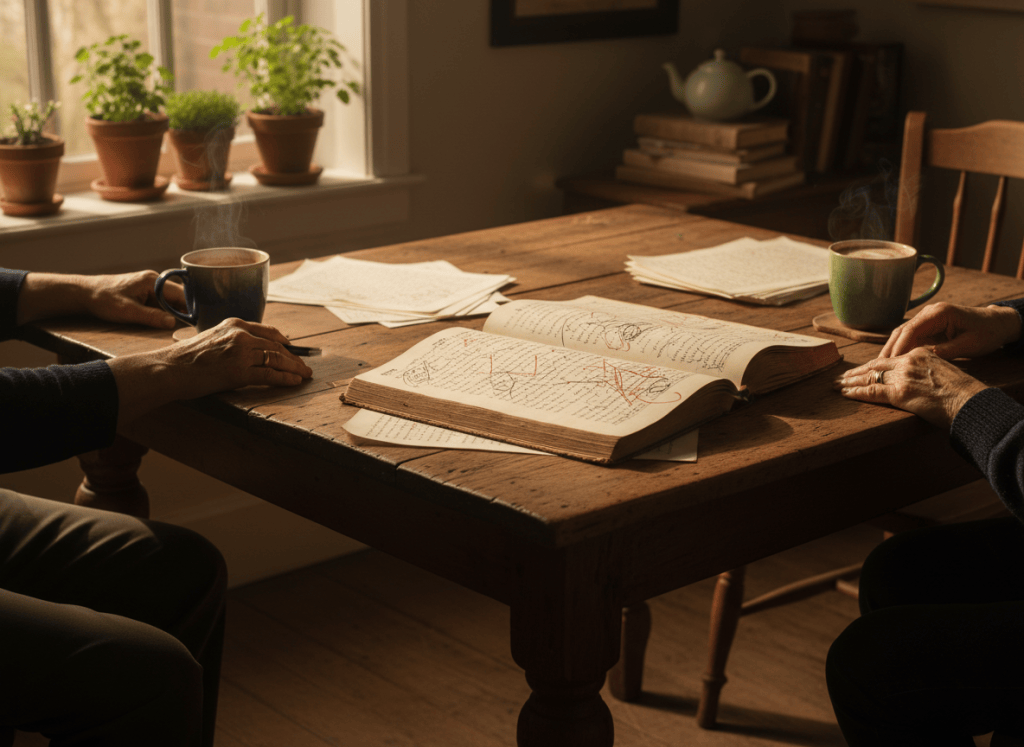
That was not an endorsement of every version of me she had known. Friendship doesn’t require pretending the other person has always been right. It was something better: the decision to see who I had been, recognize who I was trying to become, and stand beside the work without falsifying the past.
This isn’t an argument that everyone should remain close to an ex. Some endings require distance. Some relationships become dangerous when access is preserved. Forgiveness can exist without friendship, and peace does not always require continued contact.
Our story is simply proof that a relationship can fail in its original form without becoming worthless.
Love can change jobs.
It can stop trying to possess a shared future and begin helping two people tell the truth about their shared past. It can trade certainty for curiosity, obligation for choice, and the exhausted language of spouses for the deliberate attention of friends.
The marriage ended. The friendship didn’t rise untouched from its remains. We built it from them, piece by piece, while raising three children and learning to meet each other without the old claims.
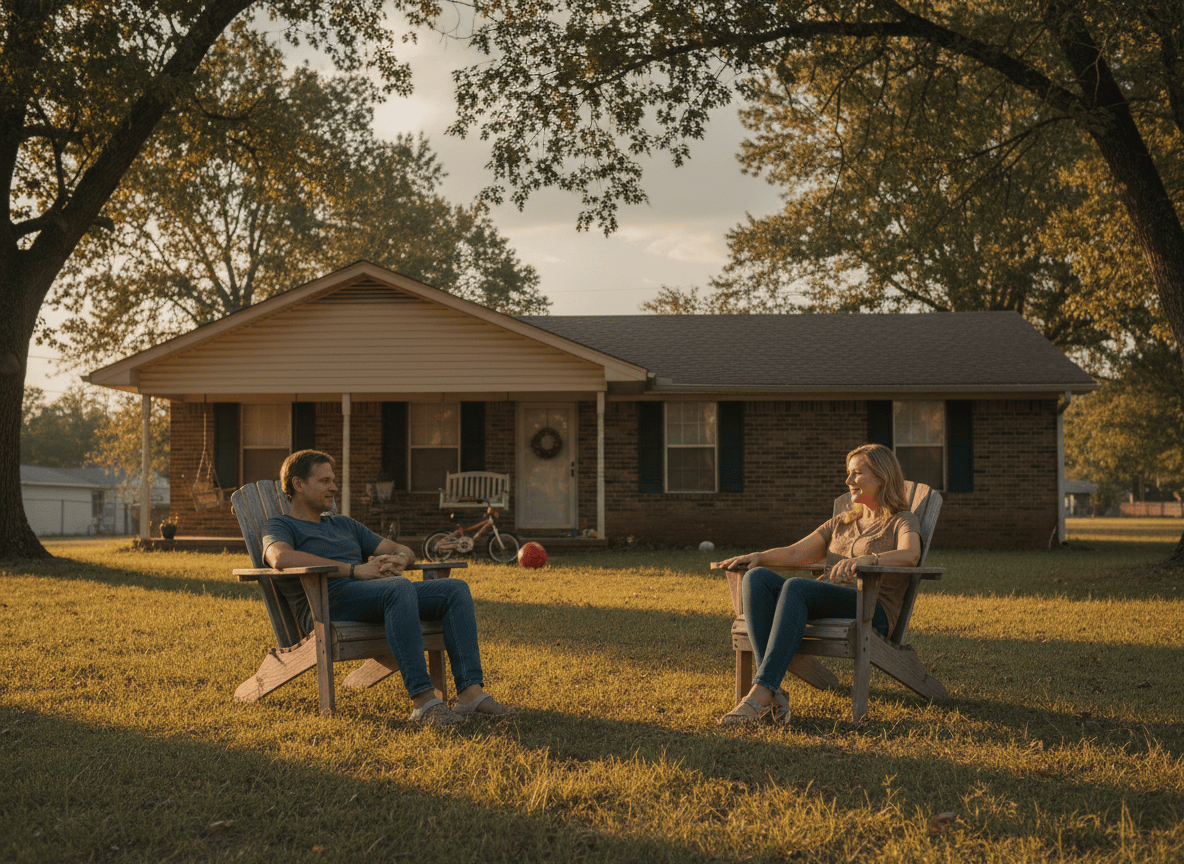
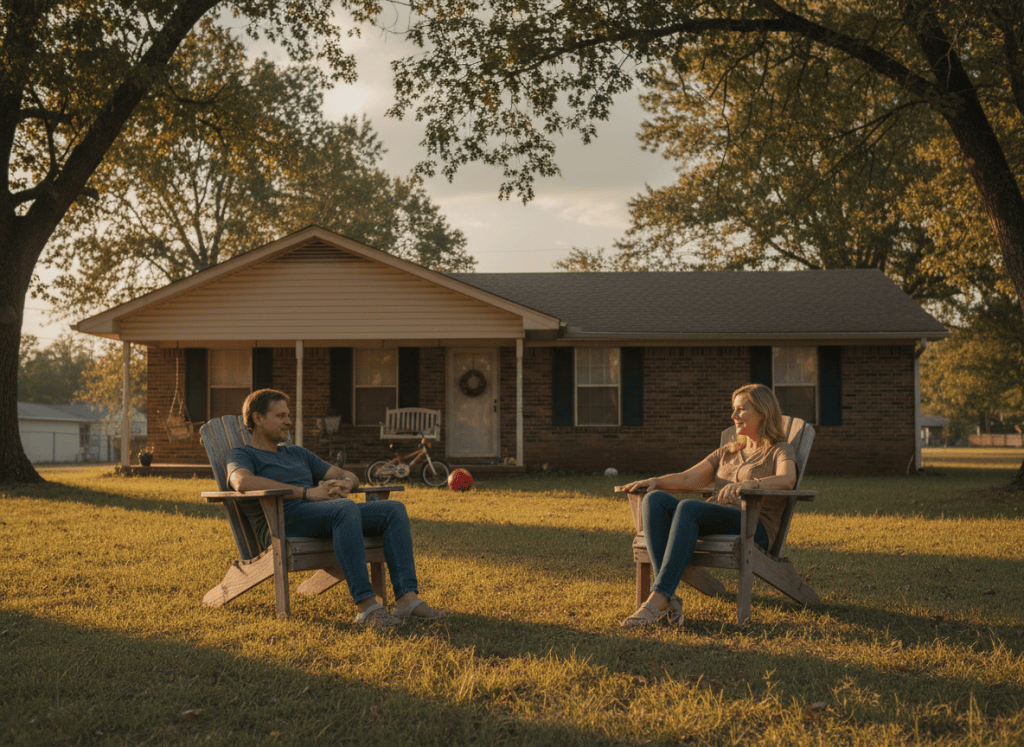
Sometimes two people cannot save the house they built, but they can still learn how to meet each other honestly in the yard.


