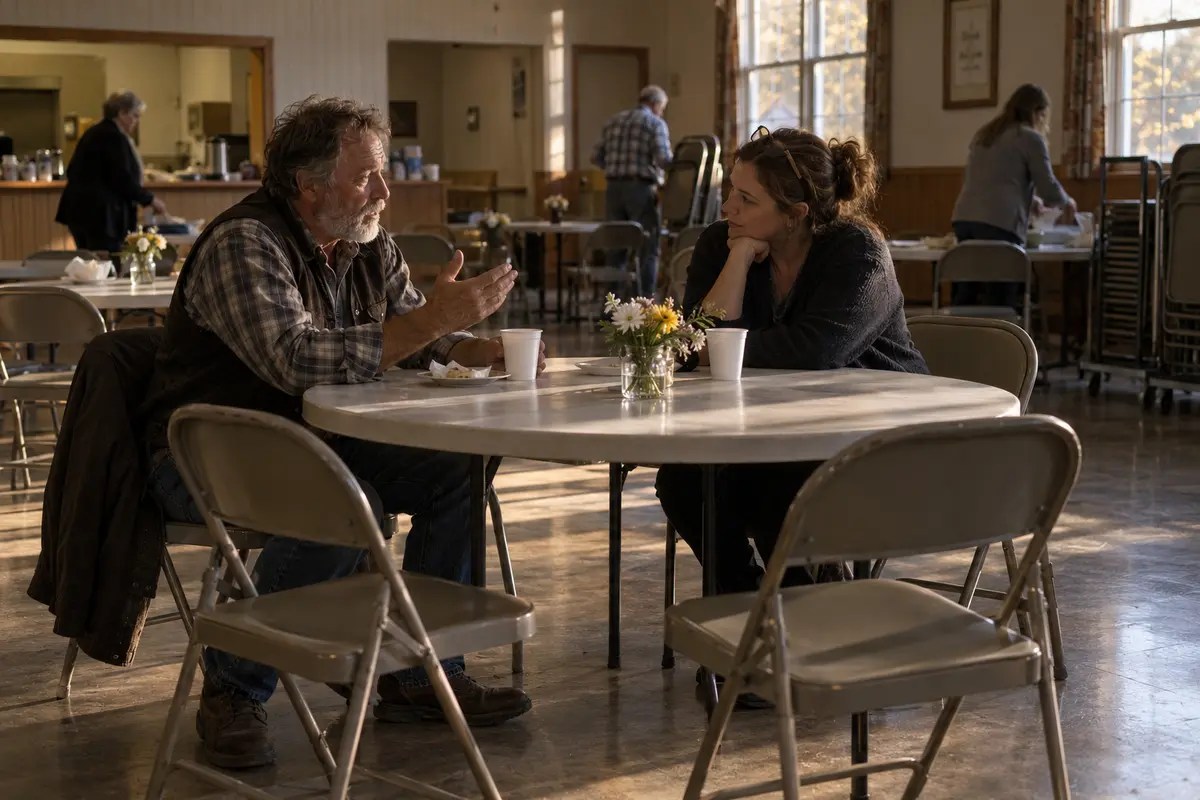
Some time after my funeral, a friend of mine will sit across from someone who never knew me.
The flowers will be gone. The formal praise will be over. Nobody will be standing behind a podium trying to summarize an entire life before the next song begins. The stranger will ask a simple question.
“What was Scottie like?”
My friend won’t recite my résumé. He won’t list the years I spent in the car business, the titles I held, the number of vehicles I sold, or the book I managed to finish. He’ll tell a story.
Maybe it will be about a phone call I returned when it would have been easier not to. Maybe an apology that came without an excuse attached. Maybe a night I stayed when leaving would have been more convenient.
It’ll be something small enough to tell across a table and true enough to carry the weight of my name.
That’s how a life outlives a body—not as a thesis, but as a scene.
A résumé is written in nouns. Memory is told in verbs.
We’re remembered for what we did when someone needed us, what we said when the truth cost something, and whether our stated values survived an inconvenient Tuesday. Accomplishments may introduce us, but conduct explains us.
I’ve spent enough time writing A Nobody’s Guide to Self-Help to know how tempting it is to treat legacy as a publishing problem. Put the right ideas into a book and maybe the best part of you will survive.
But words only testify. The people who lived beside us get to cross-examine them.
I can write about patience and still hurry a child who is trying to tell me something. I can write about responsibility and protect my ego when an apology is due. I can write about mortality, then spend an ordinary Tuesday as if I have an unlimited supply of them.
Near the beginning of the book, I used seven words from an obituary: “There are no services planned at this time.” They felt cold and final, like somebody had closed a book. I kept returning to death because it’s the one deadline none of us can negotiate.
But the point was never to stare at the closed book. It was to notice that this page is still open.
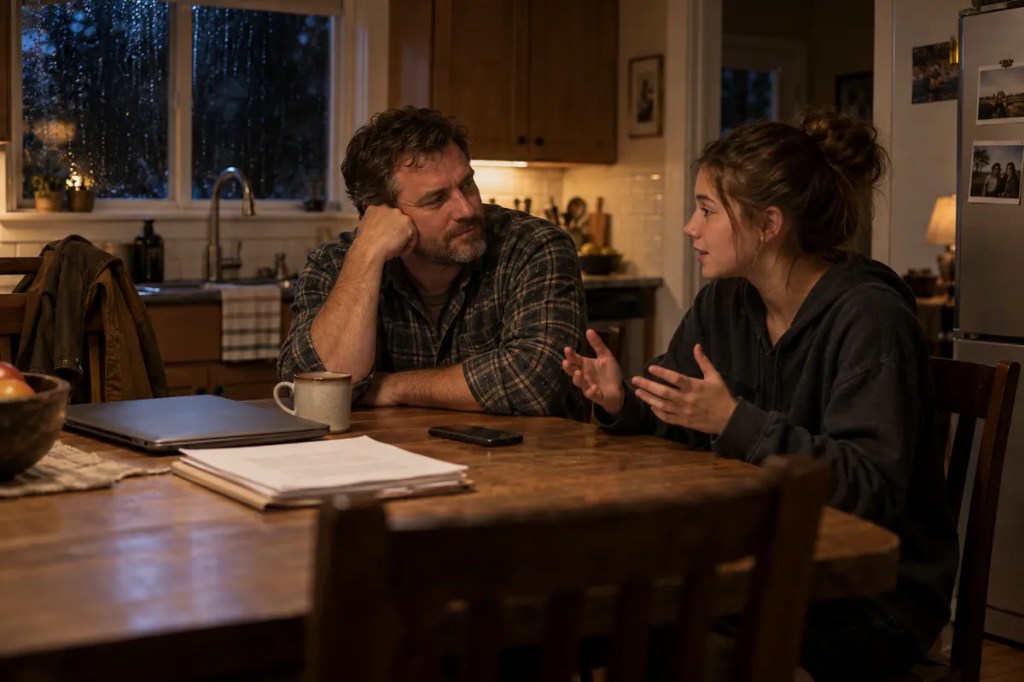
My children won’t remember every lesson I tried to teach them. They will remember patterns. What repeatedly received my time? Was home safe enough for the truth? Did work always win? Did I listen only when the timing was convenient?
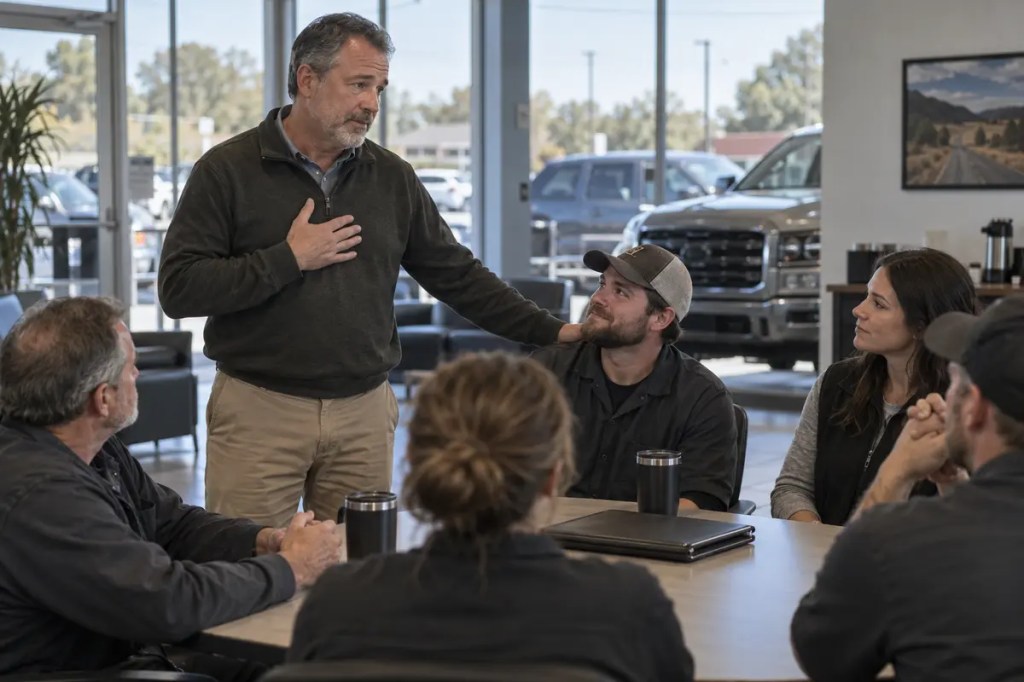
An employee may forget the speech but remember the day a leader took responsibility in front of everyone. A friend may not remember the advice but remember that the phone was answered. Someone we love may forget the argument and keep the apology.
Faith quietly teaches me that life is stewardship, not ownership. I don’t control the number of pages. But I am responsible for what I place on this one.
This isn’t a call to manufacture cinematic moments. Most legacy looks ordinary while it is happening. Return the call. Tell the truth before you are caught. Sit for ten more minutes. Put the phone down. Apologize without turning it into a courtroom defense.
I can’t control every story people will tell about me. Memory is imperfect, and so am I. But I can give the people around me better material.
Someday my name will need an introduction. Someone who loved me, worked with me, or survived me will choose one small scene to explain who I was.
Live one story today that would still be worth telling when your name needs an introduction.
Source note: Inspired by The School of Life newsletter, “Lessons In Living Before Dying.” This essay also revisits themes from A Nobody’s Guide to Self-Help.


