
We call it the funny bone, which is an impressive piece of false advertising. It’s not funny, and it’s not even a bone. The bolt of pain that shoots down your arm after you catch your elbow on a countertop comes from the ulnar nerve. Apparently, someone felt electricity reach two fingers and decided what the moment needed was whimsy.
Still, the name works well enough. A person grabs his elbow and says he hit his funny bone, and everybody understands. Nobody stops him in the kitchen to deliver an anatomy lecture. If they do, he’s allowed to hit them with the other arm.

That’s the usefulness of a label. It gives people a common place to begin.
Richard Feynman once described learning the difference between knowing the name of something and knowing something. We confuse those two kinds of knowledge more often than we realize—especially when the name belongs to another person’s pain.
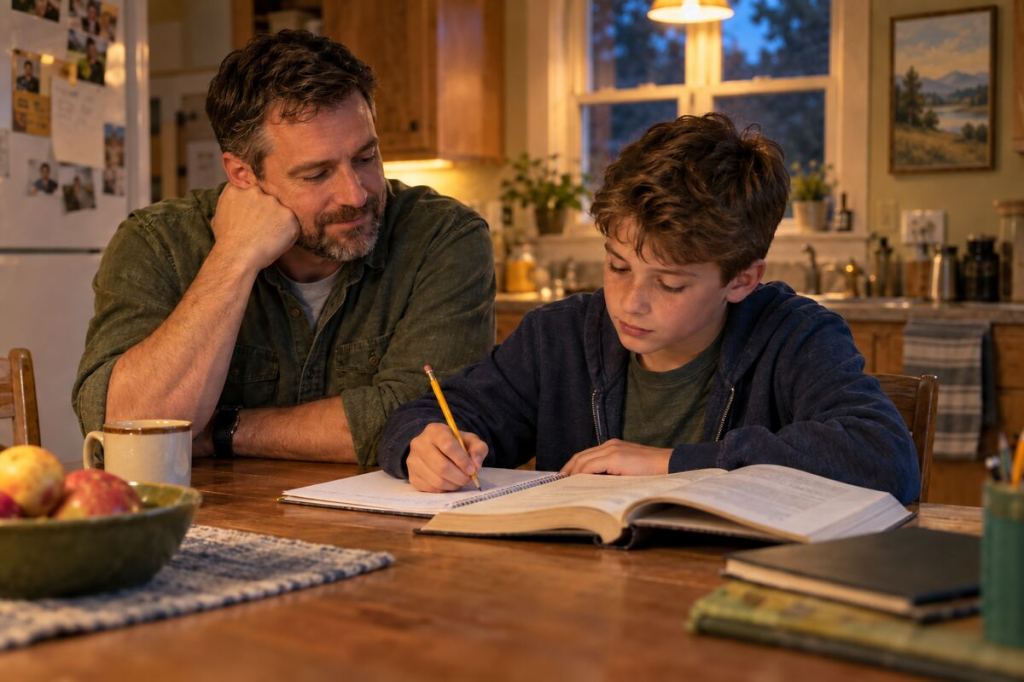
Names matter. There was relief in finally having a name for what Ben had been fighting with reading. Dyslexia didn’t suddenly appear the day somebody wrote it in his file. He’d been climbing that hill for years. The diagnosis simply helped us understand why it was so steep.
It gave us better questions. Instead of asking why a capable child would avoid an assignment, we could ask what the assignment was demanding from his brain. It pointed toward a 504 plan, useful support, and tools better suited to the work in front of him. It replaced some confusion with direction.
But the word didn’t finish the story.
Dyslexia can help explain why reading requires more effort. But it can’t measure Ben’s loyalty, humor, stubbornness, compassion, or potential. It doesn’t complete his homework for him, erase his responsibility when he makes a poor choice, or establish a ceiling on what he can become. The label tells us something real about the hill. It does not tell us how far he can climb.
That distinction matters in fatherhood. A diagnosis should help me understand what my child needs, but it should never become a prediction I hand him about his future. There’s a fine line between protecting a child from shame and quietly teaching him to expect less from himself.
Adults are just as easily reduced.
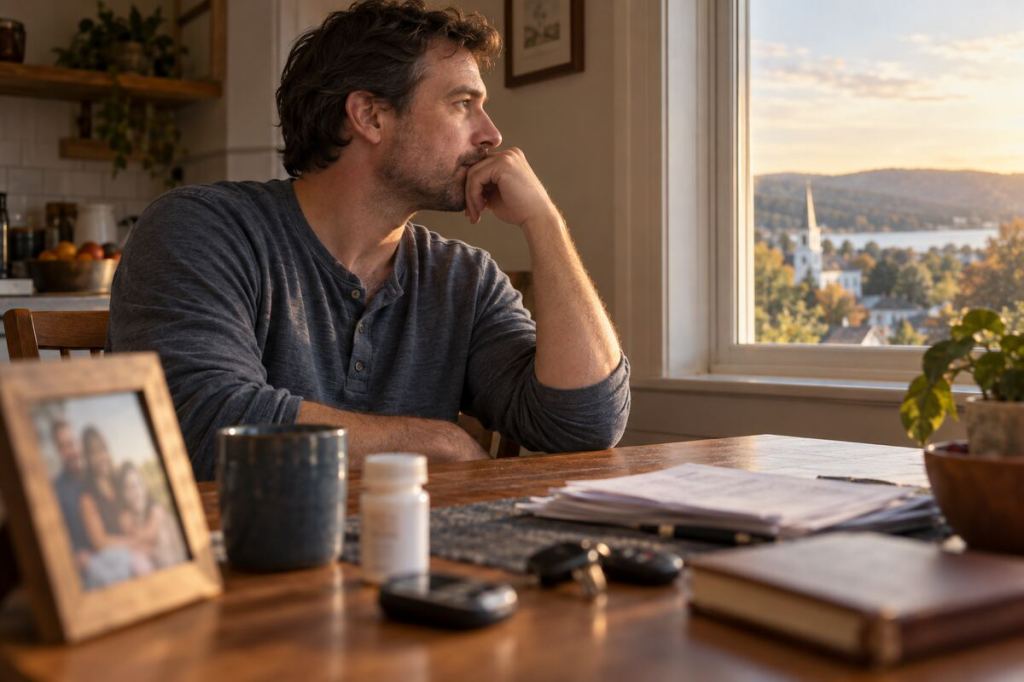
A medical diagnosis can explain something about my body, but it does not explain the father, writer, manager, Christian, or man trying to become more disciplined inside it. “Divorced” tells you something true about my paperwork and almost nothing about the relationship, the lessons, or the life that continued afterward. A job title can tell you where somebody spends his weekdays without telling you what he thinks about on the drive home.
We do this with mistakes too. One bad decision becomes the irresponsible employee. One failed relationship becomes the man who cannot commit. One season of exhaustion becomes the person who has lost his drive. The category saves us the trouble of staying curious.
Labels are especially dangerous when they contain enough truth to sound complete.
This doesn’t mean we should reject them. Refusing a diagnosis doesn’t make the struggle disappear. Pretending dyslexia, ADHD, grief, burnout, or illness is “just a label” can deny people the help the name was meant to unlock. The answer is not to throw away the map. It’s to remember that a map is not the territory.
The funny bone is a harmless reminder. We can use the wrong name and still recognize the pain. Human beings deserve more care than that. We should learn the name, make the accommodation, offer the treatment, hold the boundary, and then keep paying attention to the person who cannot be contained by any of them.
Feynman’s distinction remains the right one: knowing what something is called is not the same as knowing it. The name may tell us where to begin paying attention. It should never give us permission to stop.


