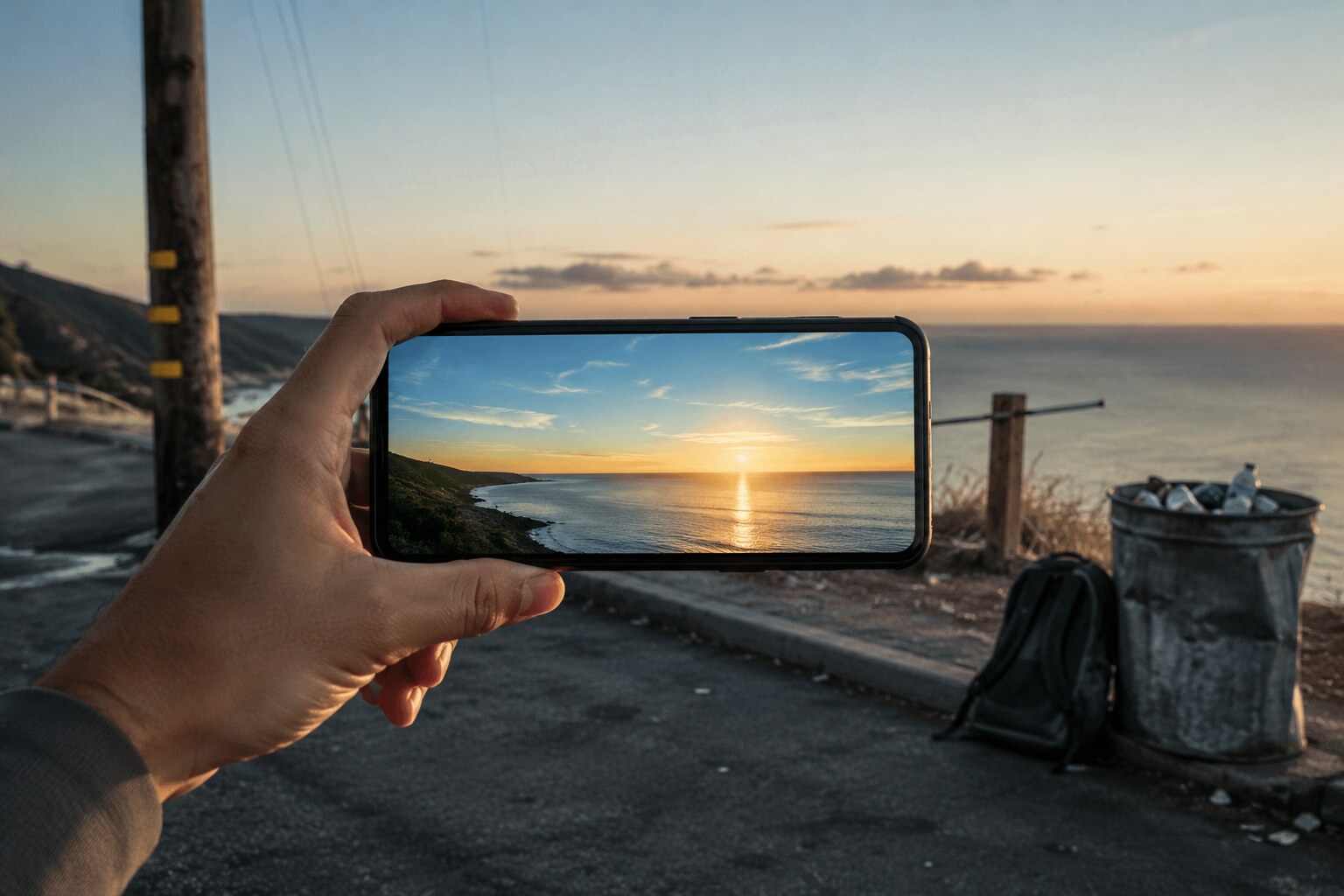
Wish you were here.
That’s what the postcard said. What it meant was slightly more complicated.
Notice where I am.
On the front was a beach with water too blue to be trusted, a hotel with no visible stains, or a mountain photographed from the one angle that hid the parking lot. On the back, somebody wrote that the weather was beautiful and everyone was having a wonderful time.
Nobody mentioned the sunburn, the lost luggage, the argument in the car, or the child who had apparently declared war on restaurants.
Instagram didn’t invent that. It just removed the stamp.
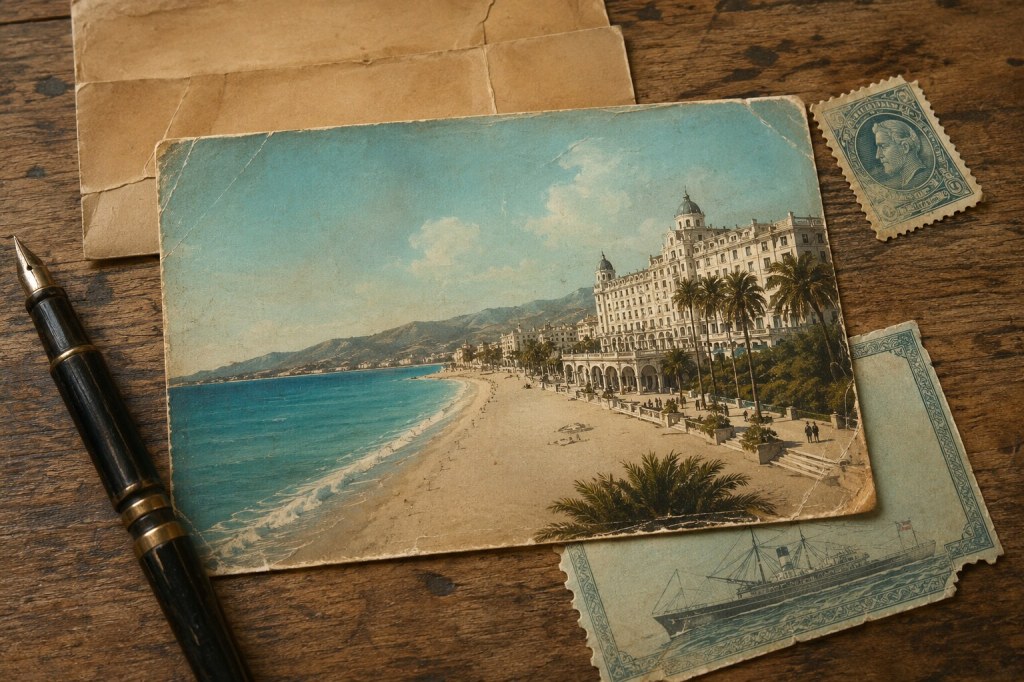
By the 1930s, postcards had already become a way for travelers to show off their vacations while giving hotels, railways, and tourist towns free advertising. One flattering picture did two jobs: it sold the destination and it sold a version of the person standing in it.
The postcard may have been the first social-media lie.
Not because the beach was fake. The sender really was there. The weather may actually have been beautiful. But the picture presented a selected truth and allowed the recipient to mistake it for the whole one.
We have become much more efficient at this.
Facebook gets the smiling family. Instagram gets the sunset. LinkedIn gets the leader who communicates clearly, develops people, and has never stared at a spreadsheet wondering what any of those numbers mean.
I understand the temptation because I am doing some of it now. I am rebuilding a professional profile. I market vehicles for a living. I am promoting a book. All three require me to choose what to show, what to emphasize, and what to leave outside the frame.
That is not automatically dishonest.
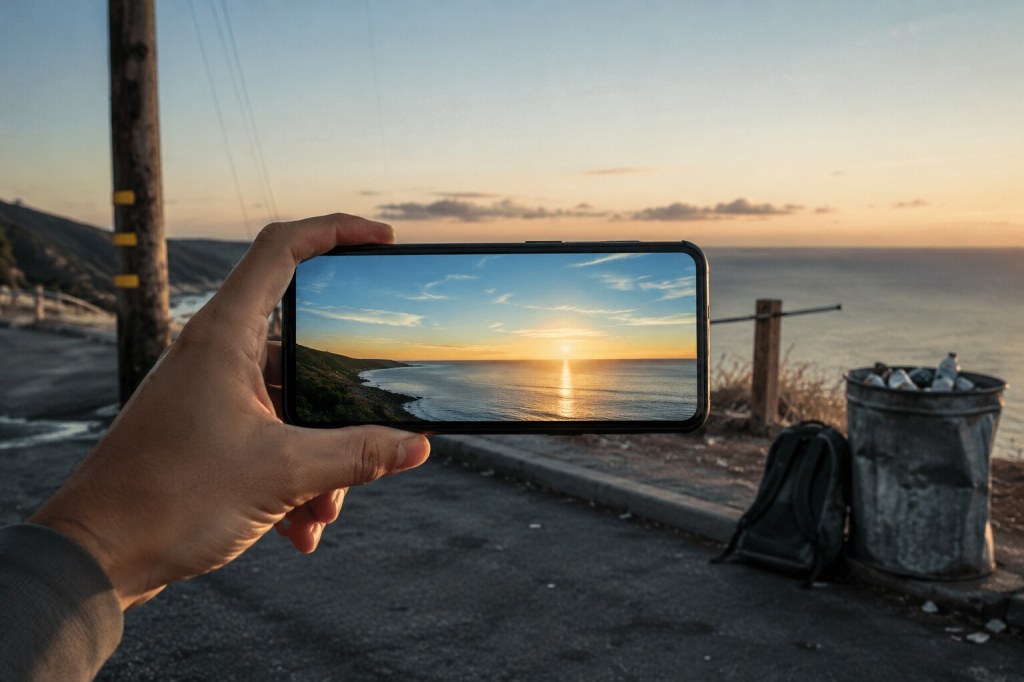
A résumé is not a confession. An advertisement does not need to photograph the dumpster behind the dealership. A book description should probably not say, “The author spent years thinking about writing this and would appreciate your financial support for finally getting around to it.”
Every story is curated.
The writer chooses where to begin. The photographer chooses where to stand. Memory keeps certain scenes and quietly loses others. Even honesty requires selection because no human being can tell everything at once.
The moral question is not whether we curate.
It is what the curation serves.
Does the polished version point toward something real, or has it become a substitute for reality?
That is where I get uneasy.
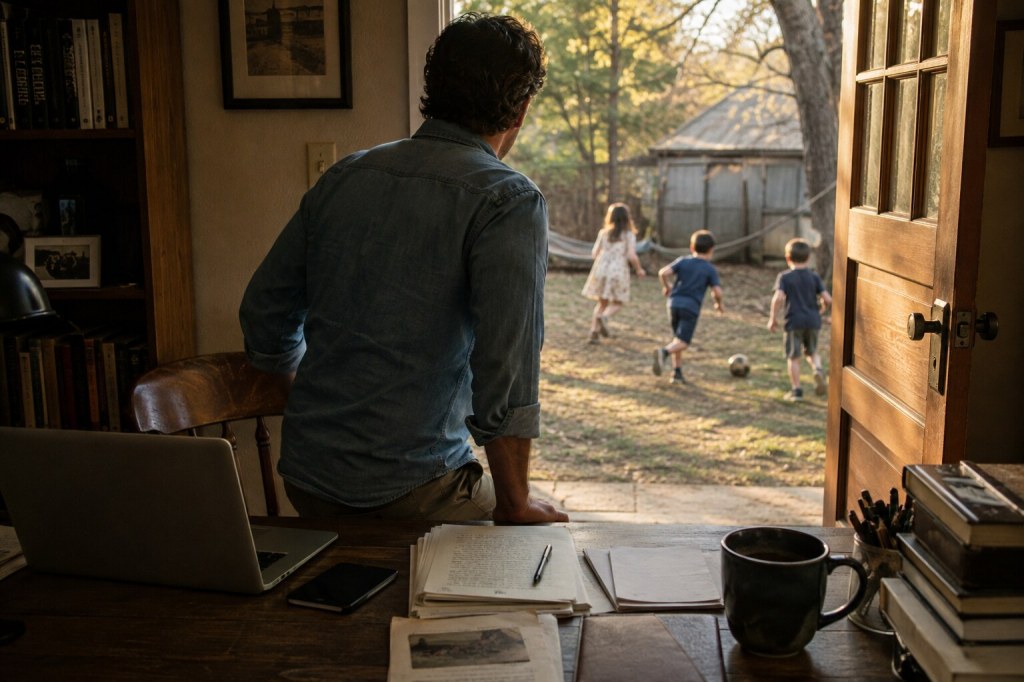
I can spend an hour creating a post about being a writer and never write. I can describe myself as a leader while avoiding the conversation leadership requires. I can share a photograph that says I am a present father and then choose to put them on the backburner and not make them a priority.
The performance gives us a small reward without demanding the full cost of becoming the person in the picture.
A like feels a little like connection. A polished profile feels a little like progress. Announcing the book feels a little like finishing it.
A little is not the same thing as enough.
The old postcard eventually arrived after the traveler was already home. There was something honest in that delay. The experience happened first. The proof came later.
Now we can begin performing the moment before we have lived it. We photograph the meal while it gets cold. We compose the caption while the people beside us wait. We watch ourselves having an experience and call that presence.
I am not arguing that we should stop posting, promoting, photographing, or telling stories. I’d never do that! I am trying to build a publishing company. Silence would be a questionable marketing strategy.
I am arguing that the picture should remain evidence of a life, not become the life itself.
“Wish you were here” was never the whole truth.
Neither is a Facebook post, a LinkedIn profile, a book jacket, or this essay.
A good story does not show everything.
But it should still tell the truth.


