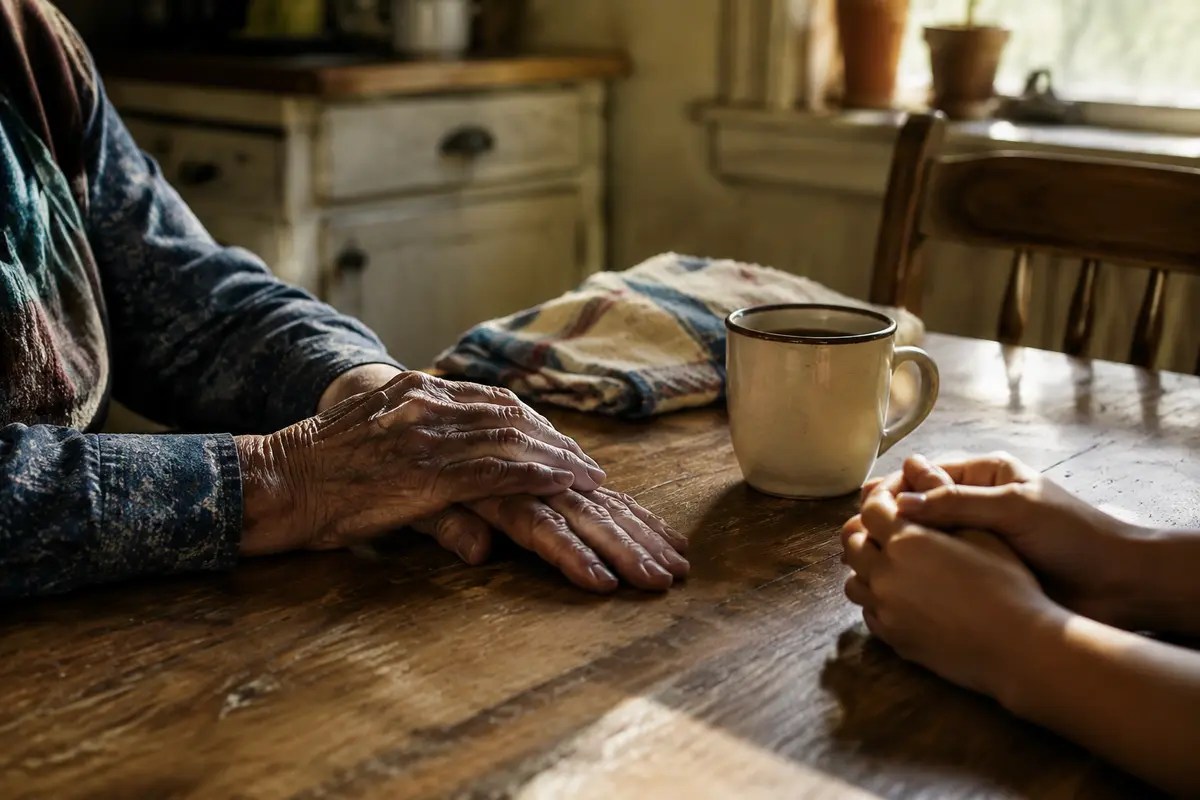
My grandma used to tell me to be careful when I prayed for patience or courage. The Lord wasn’t likely to drop either one in my lap, according to her. He would give me opportunities to practice patience and put me in situations where they was required.
I understood the words when I was young, but I didn’t fully understand the warning. It sounded almost like she was telling me not to pray too hard. But what she meant was that character doesn’t arrive gift-wrapped. God may answer the prayer by handing you a hard person, a long wait, or a moment when doing the right thing makes your knees a little wobbly. That one little saying carried theology, realism, and a survival plan without ever turning into a sermon.
I thought about her when I read an Upworthy collection of old grandmother sayings. One of them was, “Some days you’re the pigeon, and some days you’re the statue.” On the surface, it’s just funny. Underneath it, though, are crystal clear instructions: do not confuse a good day with permanent status, and do not mistake a bad day for your identity. Stay humble when you’re flying. Stay steady when you’re the statue.
Families around Dardanelle and Carden Bottoms didn’t always explain their worldview in essays. They packed it into warnings, teasing, Bible language, and comparisons that made sense if you had ever watched the river, worked a field, fixed a fence, or tried to stretch a dollar. A saying could correct foolishness without starting a fight. It could make bitter medicine go down with a laugh.
My grandmother grew up in the Bottoms in a large family that picked cotton. I can’t pretend to know every sentence that traveled through those fields or across that kitchen table. But I do know the kind of work that made concise wisdom useful. When your hands were busy, you didn’t need a lecture. You needed a line short enough to remember and strong enough to use the next time.
That’s what makes these phrases more than colorful old speech. When a saying dies, the circumstance that produced it starts to disappear too. “What did you come for, a chunk of fire?” makes very little sense until someone explains the old stove, the borrowed coal, and the hurry involved. Once the story is attached, the phrase becomes a tiny doorway into a world. Without the story, it is just a strange collection of words.
As a father, I think about how easily my children have inherited names and photographs without inheriting voices. They may know where somebody lived and when they died, but not how they sounded when somebody got too big for their britches. They may recognize a face in a picture but never hear the phrase that could bring that person back into the room.
If I give my kids only the saying, I have handed them the shell. The story is the part that breathes. Who said it? What kind of trouble summoned it? Did everyone laugh? Was the lesson understood right then, or did it take twenty years to land? Those details aren’t decoration. They’re instructions.
The hard part is that some of the people I would like to ask are already gone. There are questions I can no longer ask them. That turns this from nostalgia into responsibility. Memory feels permanent right up until the last person carrying it is no longer here to answer the phone.

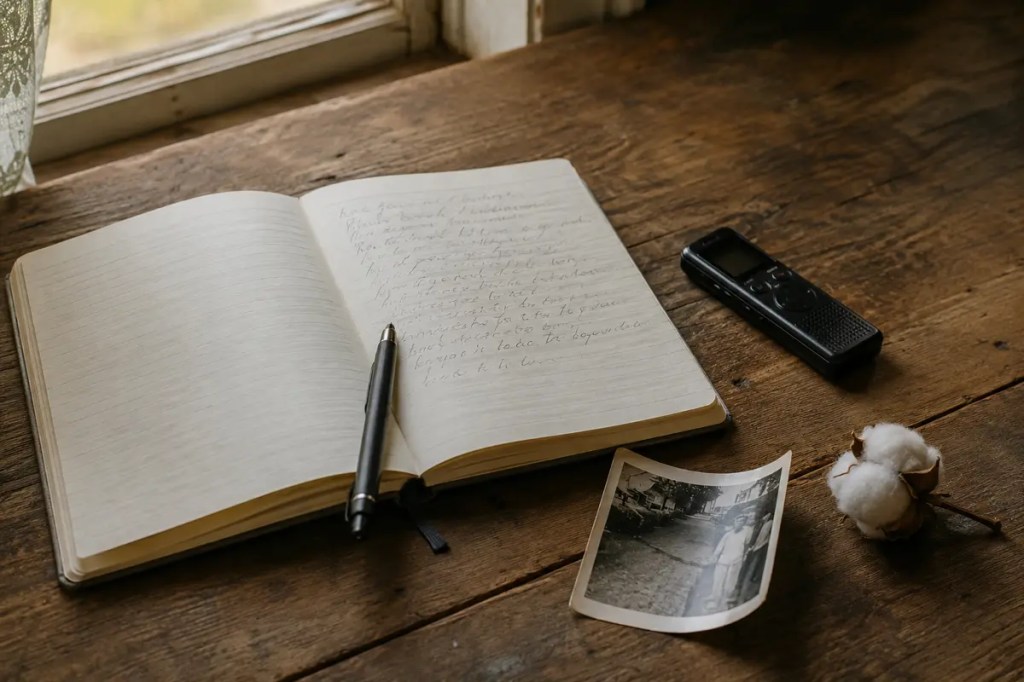
So here is a simple thing worth doing. Ask an older relative what sayings they remember. Don’t stop at making a list. Ask who said each one, when it came out, and what foolishness or hardship brought it out. Record the conversation on your phone or write it down while the voice and the details are still fresh. Then tell one of those stories to your children.
A family inheritance isn’t always land, money, a recipe, or a quilt. Sometimes it is one crooked sentence that kept people patient, cautious, humble, or laughing when life got heavy. It can vanish without anyone rejecting it. All it takes is for everybody to assume somebody else will remember.

 Yelco State of Mind