We have a strange rule about asking for help: smoke should be visible first.
The account should be nearly empty. The workload should be breaking us. The marriage should be in crisis. The deadline should have already passed, preferably while making a dramatic whistle overhead.
Apparently, only then are we permitted to admit that another pair of hands might be useful.
Until that moment, asking feels excessive. Why call the fire department when the curtains are only warm?
Dan Lewis recently did something quieter. After sixteen years of sending readers a curious story most weekdays through Now I Know, he asked them to contribute financially. But he made an important distinction. The newsletter was not about to disappear. Reader support would make the work stronger, more sustainable, and less dependent on advertising.
He wasn’t asking readers to pull him from a burning house.
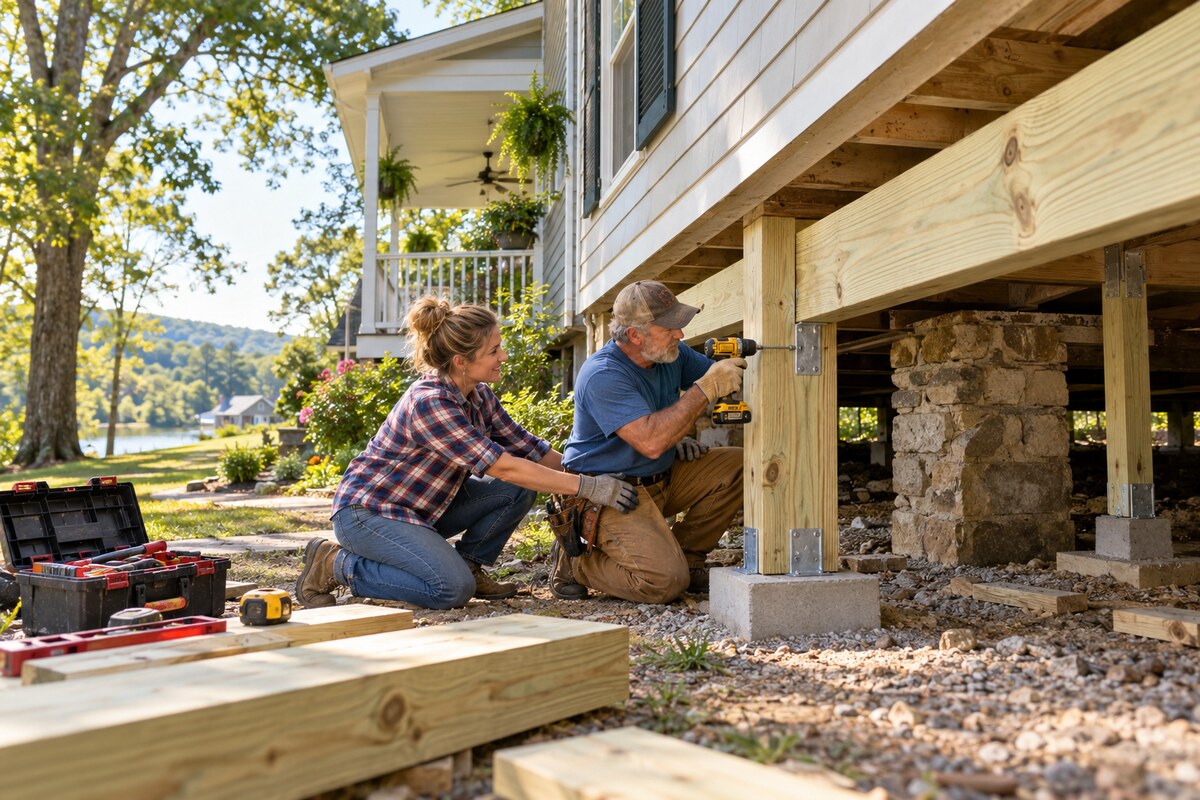
He was asking whether they might help reinforce the structure while it was still standing.
That shouldn’t sound unusual, but it does.
We understand maintenance when it involves roofs, vehicles, and air conditioners. Nobody waits for the engine to fall onto Highway 7 before admitting the oil probably should have been changed. Yet we routinely demand more obvious damage from our finances, relationships, health, faith, and emotional lives before treating support as justified.
I have done this in nearly every role I have held.
As a manager, I can convince myself that carrying the pressure alone protects everyone else. As a father, I can mistake being dependable for never appearing burdened. As a writer, I can keep adding work to the calendar because admitting I need time, encouragement, attention, or support feels suspiciously close to complaining.
Pride is clever that way. It rarely introduces itself as pride.
It calls itself responsibility.

Responsible people can become especially good at waiting too long. We absorb another task, cover another expense, postpone another conversation, and reassure everyone that we have it handled.
Sometimes we do have it handled.
That doesn’t mean handling it alone is wise.
The danger is not merely exhaustion. When we refuse help early, we often increase the eventual cost for everybody nearby. The employee who never delegates eventually leaves behind a system nobody else understands. The spouse who never voices a need eventually speaks from resentment. The father who hides every struggle may believe he is giving his children security while accidentally teaching them that adulthood means suffering privately until something breaks.
Even prayer can become something we postpone until desperation makes it feel respectable. We wait until we have exhausted our own wisdom before asking God, a pastor, or a trusted friend to help us see what pride has hidden.
Asking earlier doesn’t guarantee an answer. Other people are allowed to say no. A reader doesn’t owe a writer money. A friend can’t carry every burden. A team should not be asked to compensate forever for poor leadership.
But a clear request made while choices still exist is different from an emergency handed to someone after every other option has been consumed.

There is courage in saying, “Nothing is collapsing today, but I can see what will happen if I continue this way.”
That may mean hiring help before the workload becomes impossible. Having the financial conversation before the late notice arrives. Seeking counseling before every exchange becomes evidence in an imaginary trial. Telling a friend the truth while the problem is still small enough to describe without a timeline and supporting documents.
Help is most useful when it still has room to be help instead of rescue.
The strongest structures aren’t the ones that never needed reinforcement. They’re the ones somebody cared enough to inspect before the weakness became visible from the road.
Asking for help while the house is still standing isn’t weakness.
It is stewardship.


