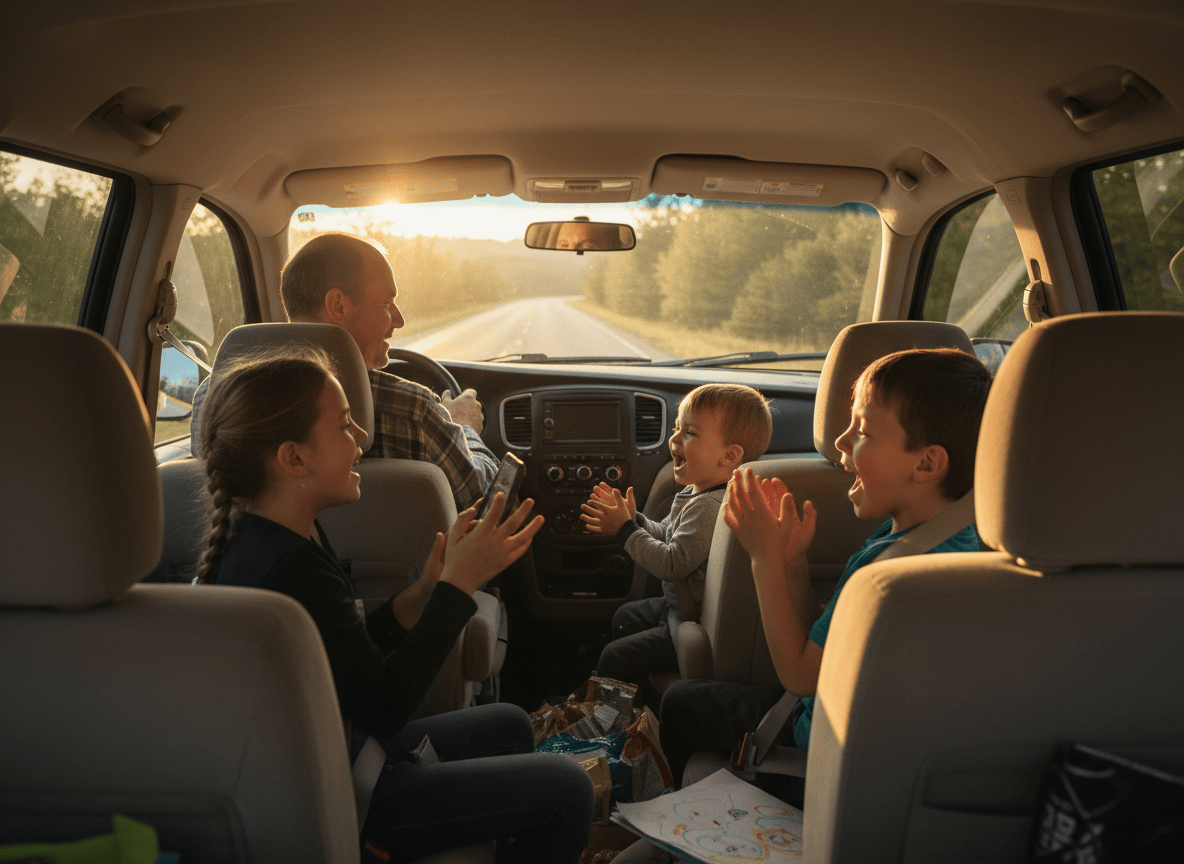
Spotify Wrapped arrives each year like a personality test administered by an algorithm.
Here are the artists you loved. Here are the genres that define you. Here is the song you played so many times that perhaps you should speak with someone.
Then you open yours and discover that your carefully cultivated musical identity has been defeated by the same song your child requested 47 times from the back seat.
You thought you were building the profile of a thoughtful, emotionally complicated adult. Spotify thinks you are a nine-year-old girl preparing for a dance recital.
Parents finally have an escape. Spotify now offers a setting that excludes children’s and family music from the taste profile used to create Discover Weekly, Daily Mix, and Wrapped. It even works retroactively, removing earlier children’s listening from the picture.
To be fair, the setting makes sense. A parent may not want animated princesses controlling every future recommendation. Taylor Swift, K-pop, and the songs Jaxson records himself would not necessarily qualify as children’s music anyway. The button has limits.
But one phrase in Spotify’s announcement caught me: the change is supposed to keep Spotify “more you.”
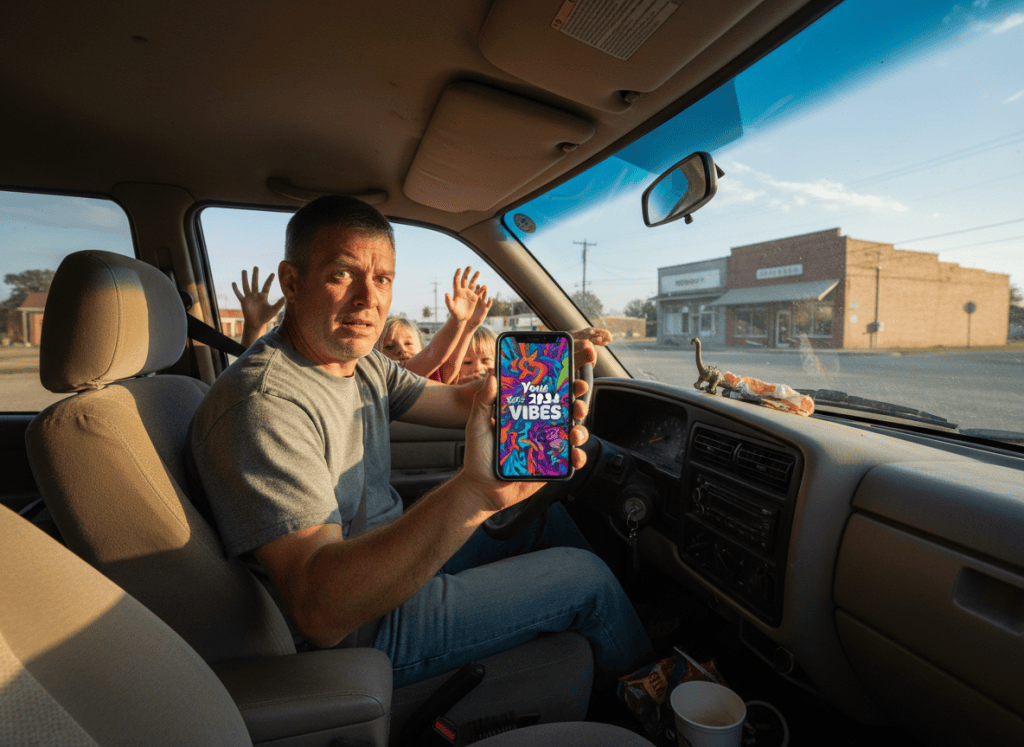
I understand what the algorithm means. It’s trying to identify what I would choose if no one else were in the car.
Fatherhood has made that a harder question to answer.
Naomi brings Taylor Swift and K-pop into the rotation. Jaxson doesn’t merely listen to music; he makes his own. Ben can take control of the stereo and introduce a selection I would never have found—or chosen—on my own. Some of those songs become tolerable. A few become good. Others remain evidence that love occasionally requires endurance.
None of them may represent my solitary taste. All of them represent my actual life.
That’s where an algorithm and a family measure identity differently. The algorithm tries to isolate the individual by removing outside interference. Family life works in the opposite direction. It continually interferes. It changes what you hear, where you go, how you spend your time, and eventually who you understand yourself to be.

Parents are often tempted to protect a private, uncontaminated version of themselves. We want proof that beneath the practices, school schedules, cartoon phases, and commandeered car stereos, the original person is still in there somewhere.
He is.
But he isn’t the whole truth anymore.
The songs my children choose may not tell you what I would play alone. They can tell you who rode beside me that year. They can remember a drive to practice, an argument over the next song, a chorus everybody knew, or one of Jaxson’s tracks played while I tried not to look too impressed.
A clean profile might describe my preferences more accurately while describing my life less honestly.
I’m not arguing that parents should never use the feature. Sometimes a recommendation is only a recommendation, and nobody needs six months of cartoon soundtracks following him through adulthood. This isn’t really about a Spotify setting.
It is about the parts of parenthood we are tempted to edit out because they don’t feel sufficiently ours.
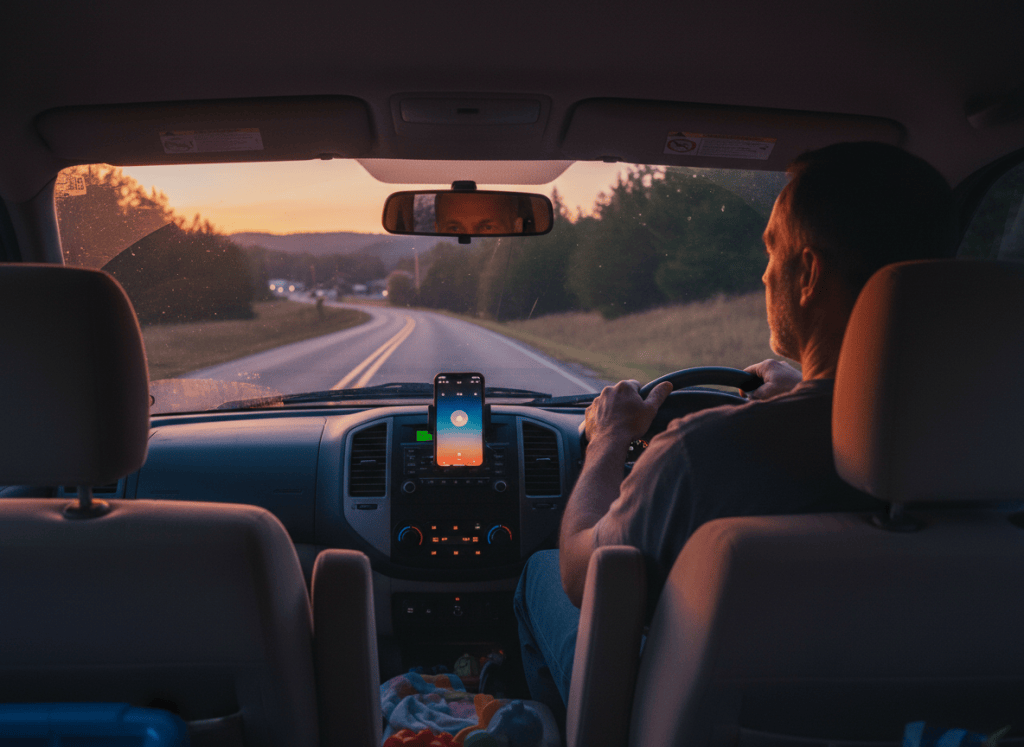
One day, none of my children will ask for control of the music.
It will happen without an announcement. There will be no final ceremonial handoff of the phone. The requests will become less frequent. Someone will start driving a separate car. Someone will leave home. Eventually, my recommendations may become perfectly accurate again.
The drives will also become quieter.
That’s the bargain hidden inside so many parental annoyances. The interruption ends. The evidence goes with it.
So let the children bend the algorithm for a while. Let Naomi leave some glitter in the data. Let Ben confuse the recommendations. Let Jaxson put something on the record that no other parent’s listening history contains.
The profile doesn’t have to describe who I would have been without them. I already know that man existed.
I’m more interested in the one their music helped create.
If your children ruined your Wrapped, they may have told the truth about your year.


