It is late when you finally get home.
The suitcase catches on the threshold. The house is dark except for the light above the stove, and you’re wearing the same clothes you put on several hundred miles and one airport sandwich ago. You’re too tired to unpack. You may be too tired to remove your shoes with any real dignity.
Then you walk into the bedroom and see the bed.
Clean sheets. Pillows arranged. Everything waiting.
It is not a miracle. You made the bed before you left. But for a moment, it feels as though an earlier version of you reached through the week and said, “I knew you would be tired. I took care of this.”

That may be one of the simplest definitions of responsibility I know: one version of us doing a favor for the version who comes next.
We usually discuss deliberate action with more drama. We picture bold decisions, five-year plans, and somebody writing goals on a whiteboard while inspirational music plays in the background. Sometimes deliberate action is washing the sheets before you leave town.
The future version of us is easy to treat like an irresponsible relative. We borrow his sleep, spend his time, leave his gas tank empty, and assign him the conversation we don’t want to have. We say, “I’ll deal with it tomorrow,” as if tomorrow is sending somebody else.
Then tomorrow arrives wearing our face.
I see this in dealership life. A manager leaves incomplete notes because he understands the situation and assumes he’ll remember it later. A salesperson promises to call a customer but doesn’t create the reminder. Somebody moves a problem to the next department without explaining what’s already happened.
The result may not appear until another person inherits the work.
Good documentation is not bureaucracy for its own sake. It’s consideration for the person who will open the file next—and that person may be you. If reconstructing the story requires a detective, three witnesses, and a corkboard covered in red string, the handoff could have been better.

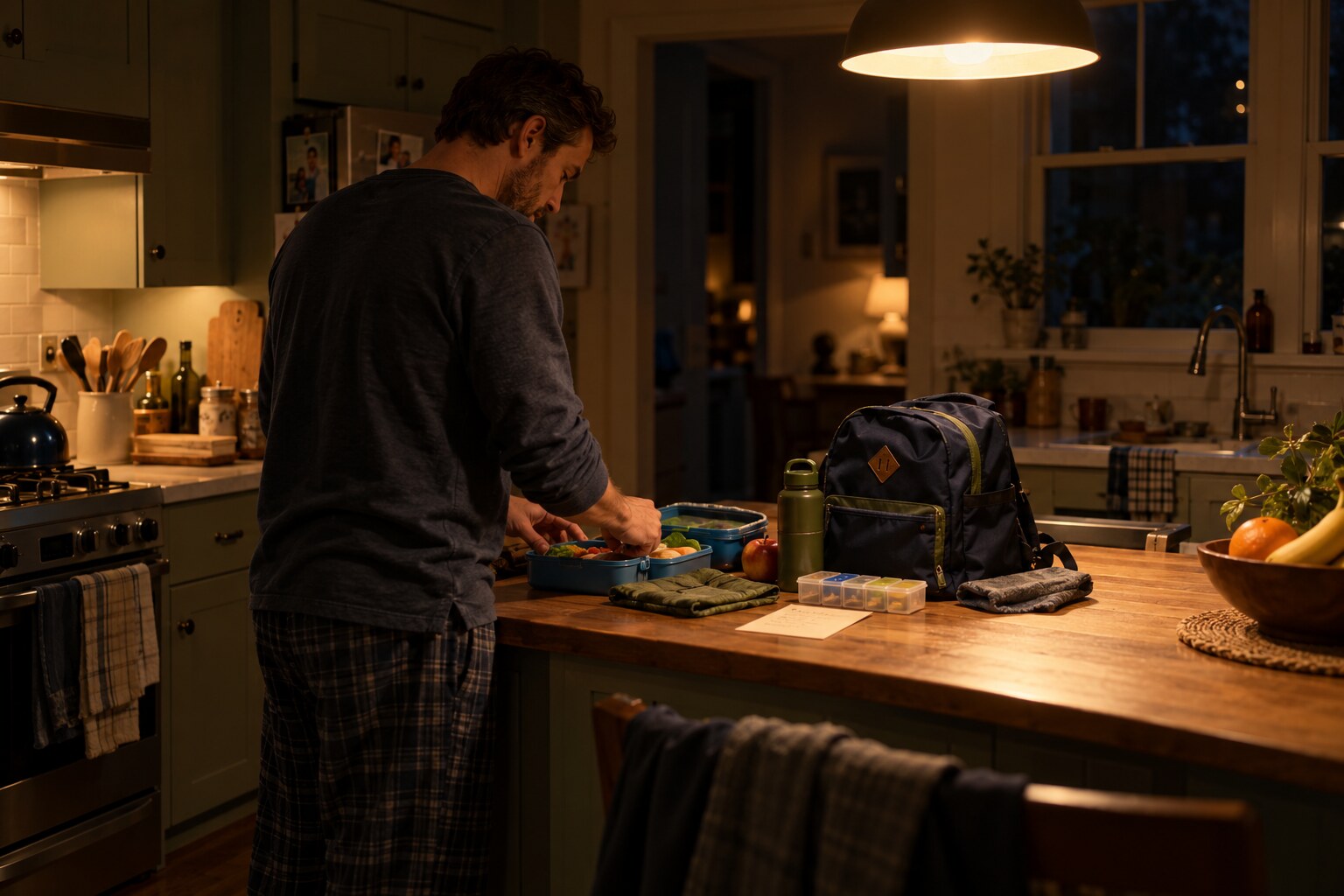
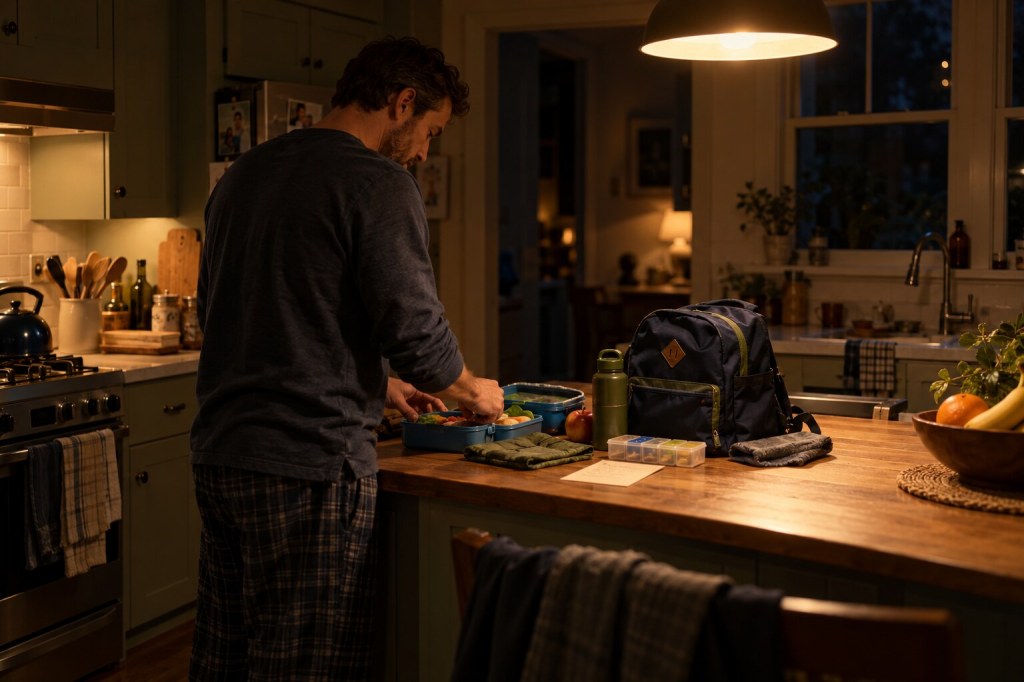
Fatherhood is filled with the same kind of quiet preparation. Setting out the medicine. Filling the tank before a long morning. Signing the form before it disappears into the archaeological site known as a child’s backpack.
But the more important unfinished business is not always practical.
Sometimes we need to apologize today because tomorrow shouldn’t have to work through another night of resentment. Sometimes we need to leave the note, make the call, or tell somebody where the important papers are. Sometimes responsibility means closing a loop while we still have the time and strength to close it.
Marriage and friendship depend on this more than we admit. The person we love should not always have to inherit the emotional mess we were capable of cleaning up ourselves. An unfinished conversation doesn’t remain suspended in the air. It settles somewhere, usually on the person least responsible for carrying it.
The same principle applies to writing. When I stop for the night, I can leave myself a sentence about what comes next. That small note saves tomorrow’s writer from staring at the page as though a stranger broke into the manuscript and abandoned it halfway through a thought.
This is not an argument for squeezing productivity from every spare minute. Rest can be a gift to the person who wakes up tomorrow, too. So can asking for help. So can deciding that a task doesn’t need to be done at all.
The point is not to remain endlessly busy. It’s to remember that our actions continue after the mood that produced them has passed. Somebody will live inside the conditions we create today.
The man who comes home will sleep in the bed the man who left prepared. The family will live with the words we spoke—or refused to speak. The next employee will inherit the process we documented or the confusion we abandoned. Tomorrow’s writer will face either a marked trail or an empty page.
We’re always leaving something behind for the person who comes next.
Self-respect is sometimes nothing more glamorous than refusing to make tomorrow clean up what today had time to finish.


