The River Keeps What We Throw Away

After the water level falls, a riverbank can look like a drawer somebody pulled open and forgot to close.

Mud gives back pieces of bottles, rusted metal, buttons, tools, fishing line, and things too worn to name. Some were lost. Some were thrown away. Most entered the water without ceremony because the person holding them had no reason to imagine a stranger studying them generations later.

Time changes the category.

An object can spend two hundred years as trash and become history the moment another hand lifts it from the mud.
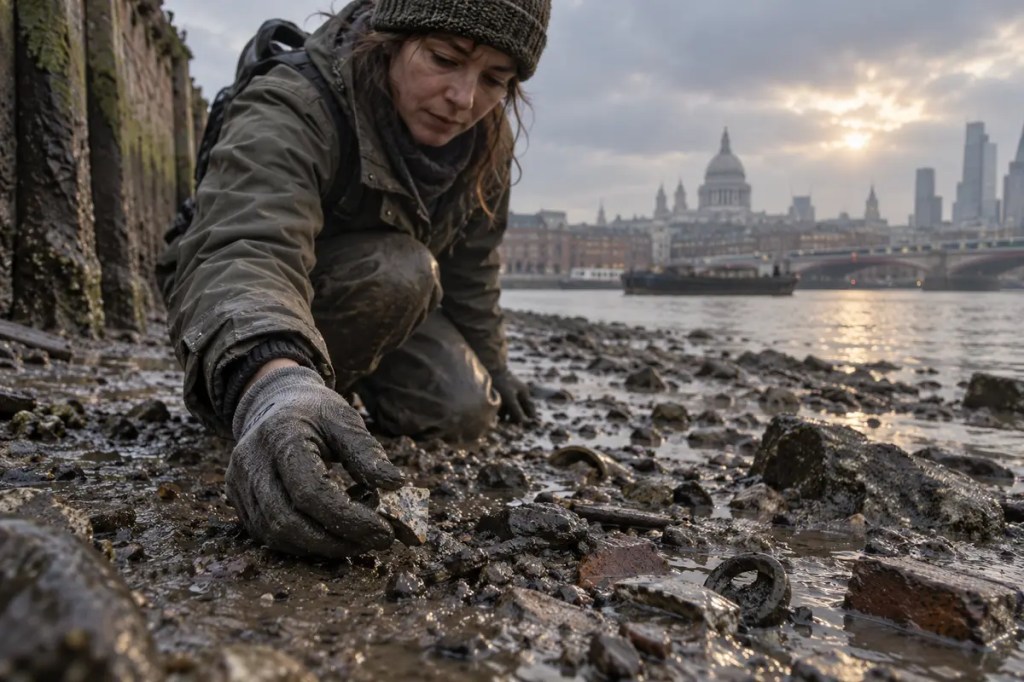
A mudlarker searches the exposed Thames shoreline and lifts a small weathered object from the mud.

The Wall Street Journal recently reported that roughly 10,000 people are waiting for permits to search the River Thames. At low tide, mudlarks move through layers of ordinary London life accumulated across centuries. Roman pottery may rest near a modern vape. A coin, buckle, pipe stem, or broken piece of tableware becomes evidence that somebody once stood there, worked there, ate there, or dropped something he assumed was gone.

The river did not preserve any of it because it understood its importance.

A river doesn’t curate. It doesn’t separate heirloom from garbage, tragedy from routine, or the final possession of a dead man from something tossed aside after lunch. It carries, buries, breaks, and exposes. Some debris is only debris. Some of it poisons the water. The river remains indifferent to every meaning we eventually place upon it.

That may be what makes the lesson honest.

The Arkansas River moves past Dardanelle without announcing which parts of our lives will matter later. History is happening in kitchens, fields, sheds, boats, church foyers, and front seats while everyone involved still calls it an ordinary day.
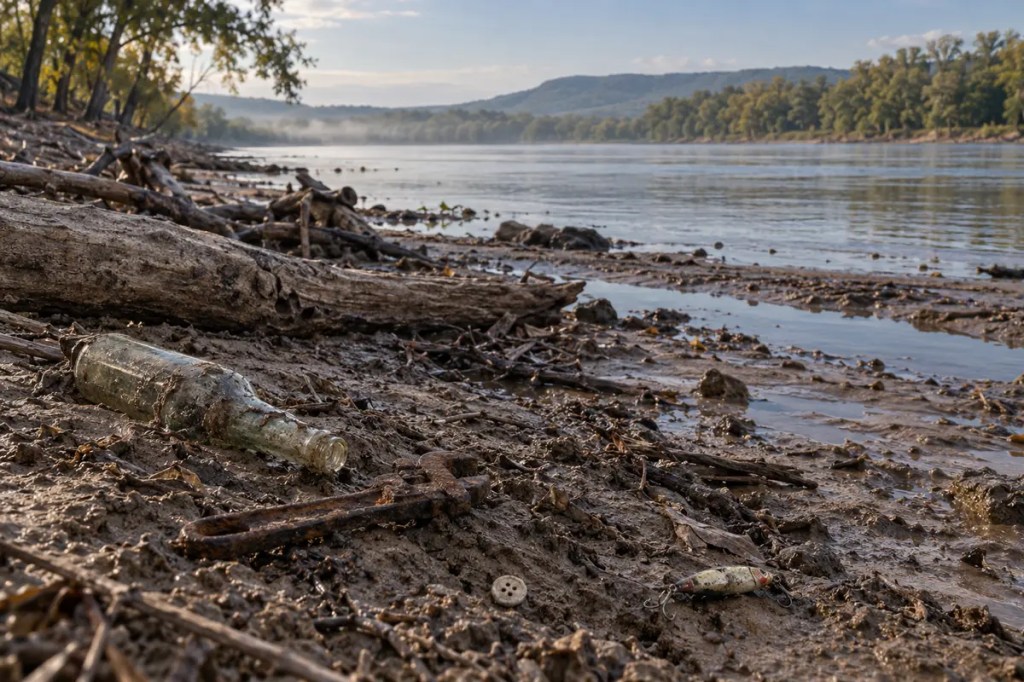
Low water exposes mud, driftwood, and fragments of ordinary life along the Arkansas River near Dardanelle.

We are poor judges of what an absence will make valuable.

My mother died at sixty. Grief changed the weight of ordinary things. An old photograph could knock the breath out of me, not because the paper had changed, but because the world around it had. The image became a place where someone could still be found.

That happens with more than photographs.

A phrase repeated so often that nobody bothered to record it can become the sentence everyone strains to remember. A tool is just a tool until the hands that used it are gone. A familiar drive, an unnoticed laugh, or an afternoon spent doing nothing special can become precious only after repetition is no longer possible.

We usually preserve the ceremonies. We photograph birthdays, graduations, weddings, and holidays. We assume Tuesday will take care of itself.

But much of what grief asks us to recover was hidden inside Tuesdays.

This is also the problem facing anyone who tries to preserve family or local history. We search for the dramatic story and overlook the ordinary instructions packed inside a saying, the name written on the back of a picture, the reason a certain road was avoided, or the small object nobody has thrown away because it still feels connected to a person.
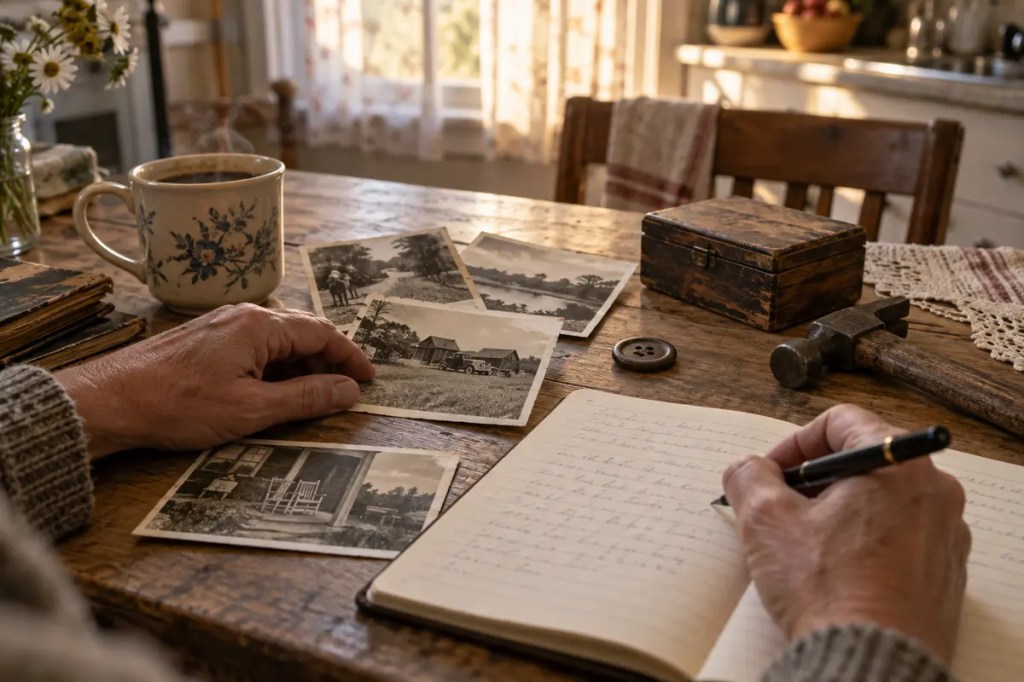
Family photographs, a worn button, and an old hand tool rest on a kitchen table while someone records their stories.

We cannot save everything. We shouldn’t even try. A life can’t become a storage unit where every receipt and broken object demands reverence. Attention is not the same as accumulation.

Still, we could become better witnesses to the life in front of us. We could ask the question while the person who knows the answer is still sitting nearby. We could write the name on the photograph. We could listen once more to the story we think we already know.

The mudlark looks at what another person discarded and sees evidence. Grief often does the same thing. It teaches us, too late, that the mundane was carrying more life than we noticed.

Maybe what we call history is often the present, rescued too late from our inattention.

Sources: Wall Street Journal: “Why 10K People Are Waiting to Search the Thames”; Wall Street Journal: “Why 10,000 People Are Clamoring to Dig in London Mud”

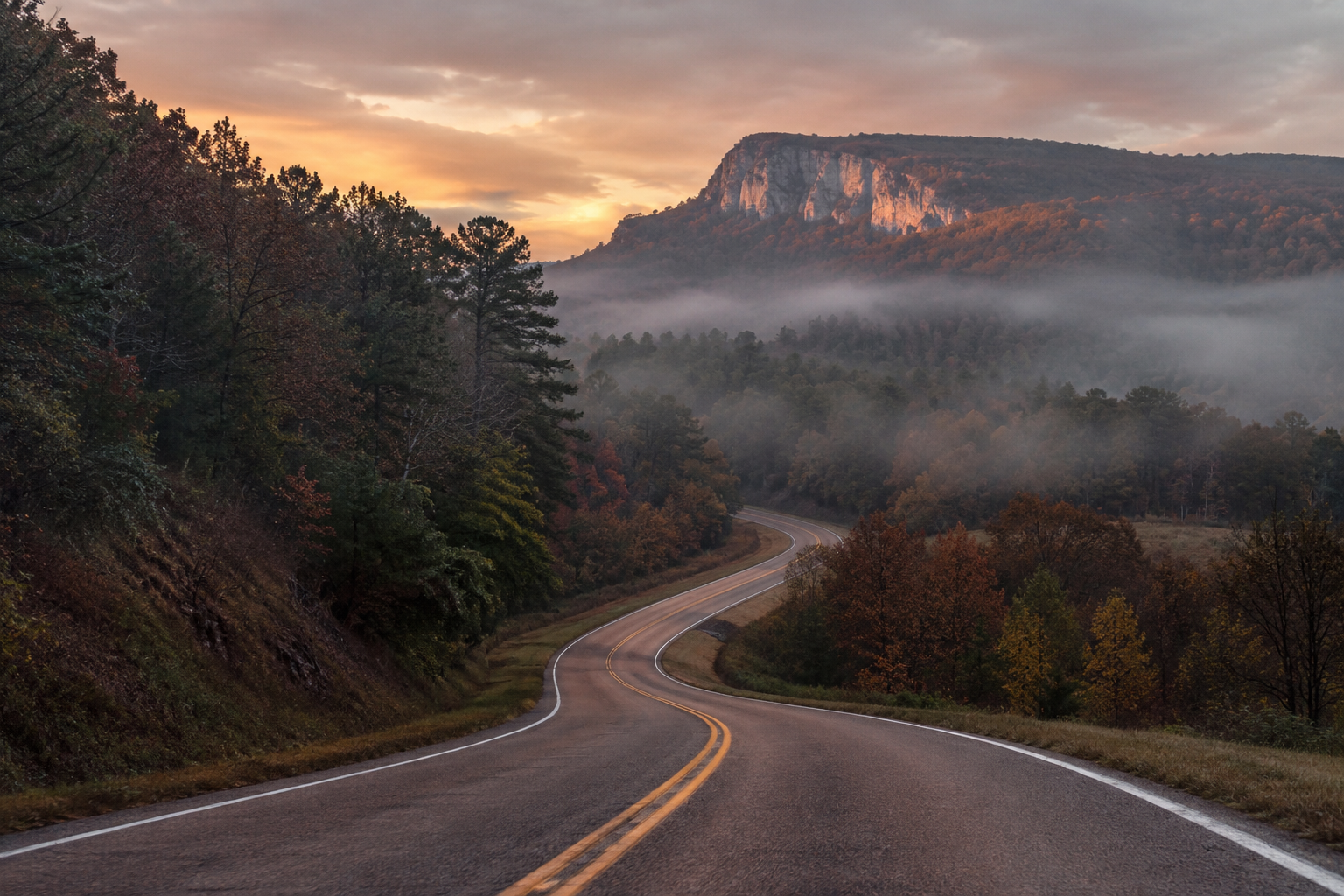
Mitakpa, Five Years Later: The Life I Kept Meaning to Live

Five years ago, I wrote about a Tibetan word I had discovered while reading The Comfort Crisis. The word was mitakpa, and it roughly translates to impermanence.

The idea was simple enough: everything born is subject to death and decay. We are all walking toward the edge of a cliff. We can pretend the cliff is not there and act surprised when it appears, or we can acknowledge it and allow the destination to change how we travel.

At the time, that idea hit me like a truck.

My mother had just died. She was sixty years old, which had always sounded like an old age right up until my mother reached it. Then it sounded impossibly young. Grief had made death real in a way that books, sermons and funeral-home visitations never had. The cliff was no longer a philosophical exercise. I had watched someone I loved reach it.

I wrote that making peace with the destination could change the course we chart toward it. I thought about who was walking beside me, what we were doing along the way and how many flowers I might regret passing without ever stopping to smell.

I still believe every word of that.

What I did not understand was how easy it is to see the cliff clearly and still stand in the same place.

Awareness is not action. Clarity is not courage. Knowing that time is limited does not automatically stop us from wasting it. Sometimes it only makes us feel more sophisticated while we continue doing exactly what we were doing before.

I have spent portions of the last five years thinking deeply about time while using it poorly.

I have told myself I needed to be more present with my children, then caught myself looking at a phone while one of them was talking. I have known that certain relationships deserved more attention while continuing to give them whatever energy was left after work. I have thought about books I wanted to write, changes I needed to make and conversations I should have, then stored them all in that enormous warehouse called later.

Meanwhile, the children kept growing.

The little boys I once carried in one arm became young men with their own opinions, schedules and worlds. My daughter stopped being the tiny child in so many of my favorite photographs and became a person who notices more than I would sometimes prefer. The changes happened gradually enough that I could miss them from one day to the next, but quickly enough that an old picture could knock the breath out of me.

That may be the cruelest trick time plays. It moves too slowly to frighten us today and too quickly to forgive us tomorrow.

The original lesson I took from mitakpa was to appreciate life because it ends. Five years later, I think the harder lesson is that appreciation without action can become another comfortable idea.

It is possible to love your children and still fail to give them your attention.

It is possible to value your health and continue neglecting it.

It is possible to believe a dream matters and never risk making it real.

It is possible to know where the road ends and keep driving as if we have unlimited gas.

I do not say that as someone who has solved the problem. I say it as someone who has become increasingly suspicious of his own ability to turn insight into a substitute for movement.

Recently, I finished writing a book I had been meaning to write in one form or another for years. Finishing it did not transform me. Angels did not descend. My bank account did not suddenly develop a six-pack.

But the file exists.

It can be read. It can be disliked. It can fail.

That matters because the imaginary version could do none of those things. It was protected by someday. The real one had to enter time with the rest of us.

Maybe that is what I missed five years ago. The cliff does not merely ask whether we appreciate the walk. It asks whether we are actually walking.

I still do not think about death three times a day. I am not trying to turn every Tuesday morning into a funeral meditation. Life is heavy enough without manufacturing dread before breakfast.

But every so often, I try to remember that the page will close.

Not to scare myself.

To interrupt myself.

To put down the phone. Make the call. Write the paragraph. Sit in the bleachers. Say the thing while the person can still hear it. Stop saving the life I claim to want for a future version of me who may never arrive.

Five years ago, I made peace with the existence of the cliff.

Now I am trying to become more deliberate about the road.

What part of your life have you been meaning to live later?