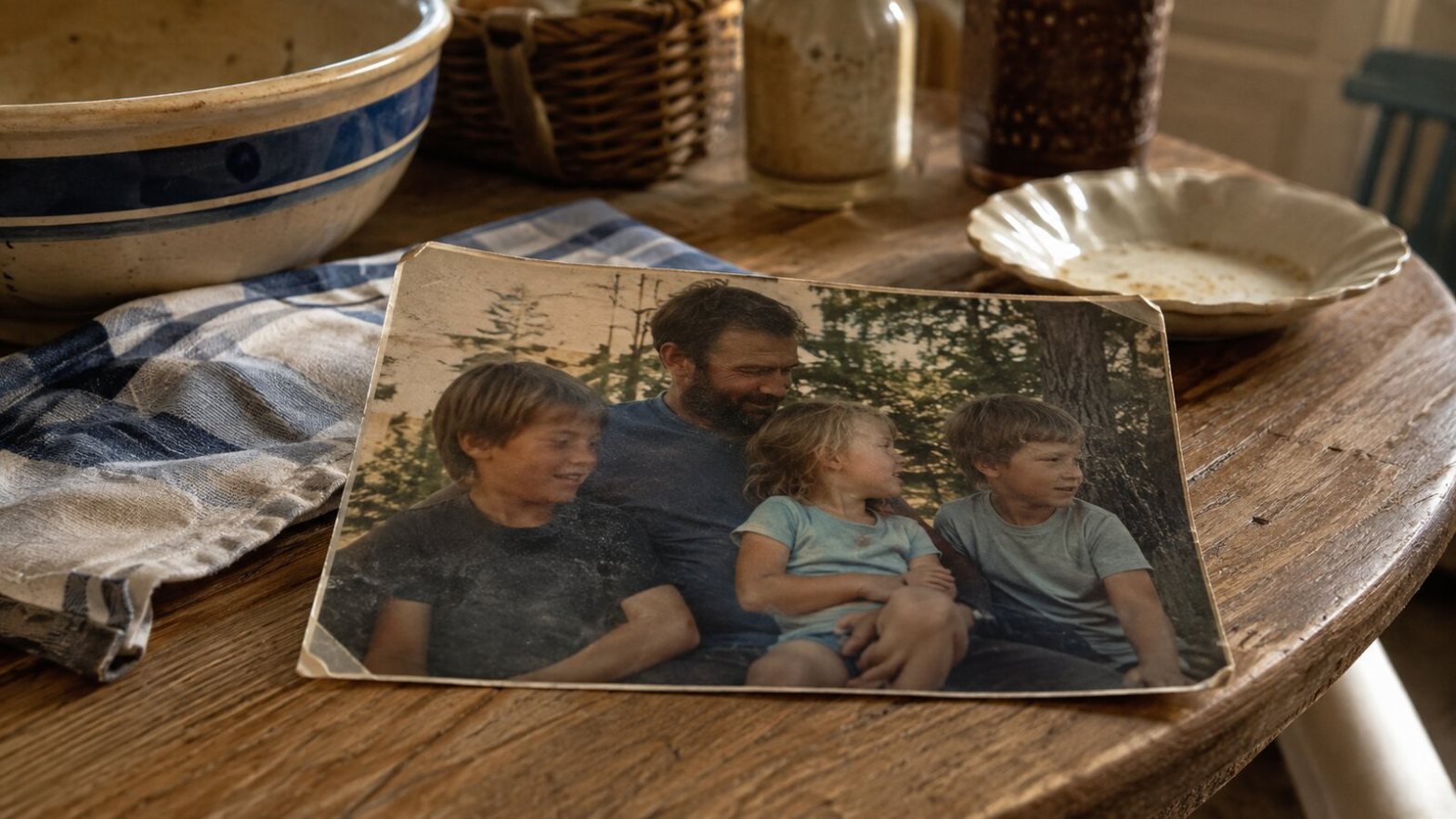
I have plenty of family pictures that prove being a professional photographer was never in the cards for me.
The lighting is bad. Somebody is looking away. Somebody else is halfway through an expression that makes them look mildly possessed. The background contains laundry, a half-empty cup, or something I would crop out before letting strangers on the internet inspect my housekeeping.
And I usually look like a man who was told to smile during a commercial break. Technically, they are bad photographs.
I would not delete them for anything.
We can do remarkable things with pictures now. We can sharpen a blurred face, improve the resolution, repair faded colors, remove an unwanted object, or replace the entire background. We can take a photograph made in an ordinary kitchen and make it look like it happened on a mountain at sunset. That power is impressive. It is also tempting.
Not because editing a picture is wrong. Fix the red-eye. Crop out the trash can. Remove the thumb covering half the lens. Civilization will survive. The temptation is believing that cleaning up the evidence somehow cleans up the moment.
It does not.
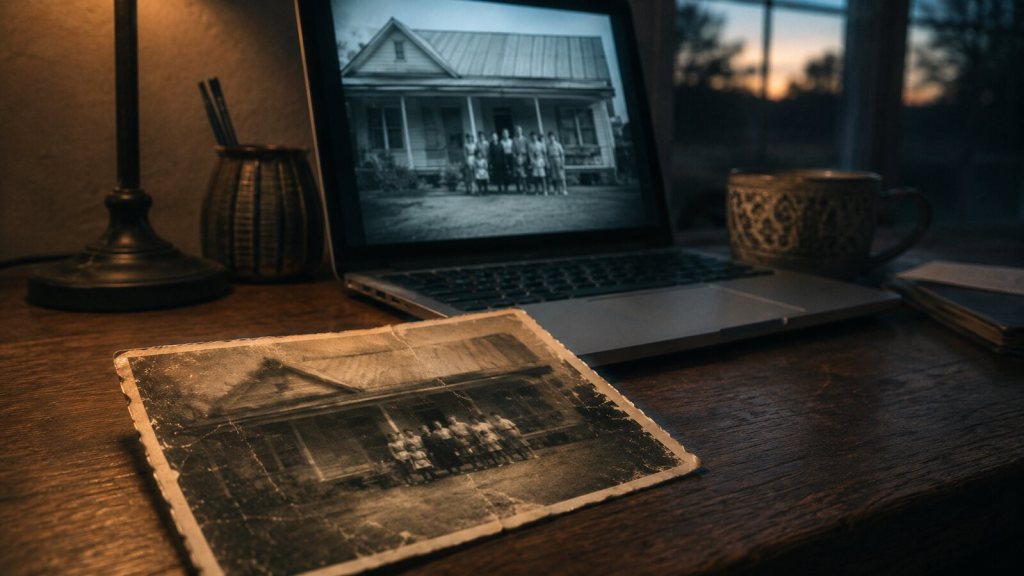
A sharper image cannot make me more patient than I was when it was taken. Better lighting cannot recover the conversation I only half-heard because I was looking at my phone. Removing the clutter does not change the fact that I may have been physically in the room while my attention was somewhere else.
Photographs preserve what the camera saw. They do not preserve what the people in the picture needed. That distinction has become harder for me to ignore as I have gotten older.
After my mother died, photographs changed categories. They stopped being content and became evidence. A bad picture of someone who is gone is still a picture from a time when they were alive. No software can reopen that day. It cannot ask the question I did not know I would eventually want answered.
My children keep teaching me the same lesson with less finality, but not much more mercy. They grow at a speed that feels disrespectful.
The tiny child in so many of my favorite pictures is already gone, even though my daughter is still here. My boys have faces, voices, interests, and problems that did not exist a few years ago. The camera can freeze one version of them. It cannot stop that version from leaving.
Children do not grow up in a dramatic montage. They grow up on ordinary Tuesday afternoons while we are answering emails, checking scores, worrying about money, and saying, “Give me a minute.”
Then the minutes add up.
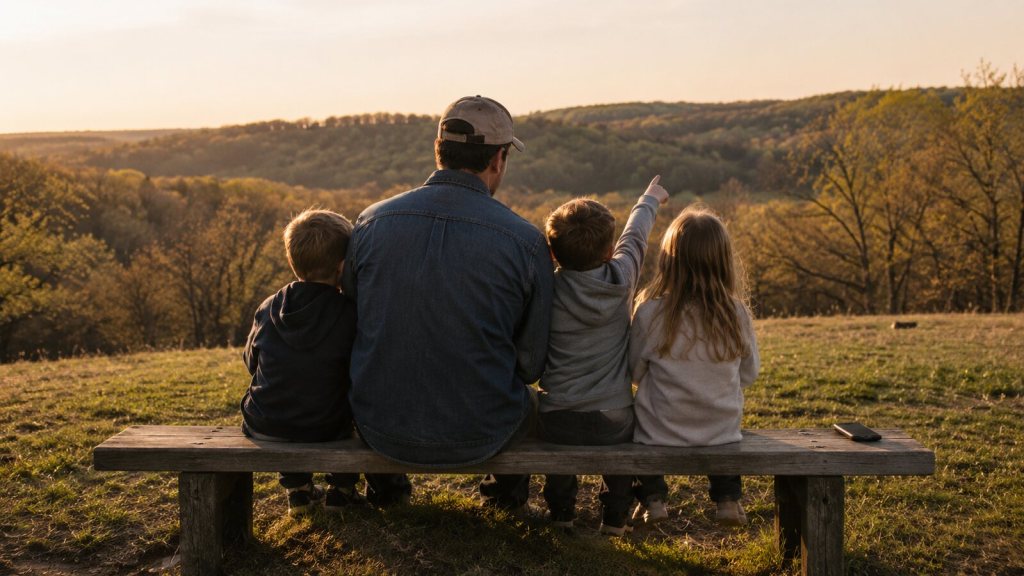
I am not arguing that we should stop editing photographs. Some pictures need help. Some memories deserve to be seen more clearly. But we should know which job we are doing.
Editing can rescue the artifact. Presence is what rescues the moment.
The imperfect photograph may actually be the more honest one. The clutter proves we lived there. The motion blur proves the children would not sit still. The crooked smile proves I was tired, distracted, irritated, or human. It does not show a polished life. It shows the life we actually had.
And while that life is happening, I still have a choice.
I can keep trying to capture it perfectly. I can keep telling the people I love to hold still while I arrange the evidence. Or I can put the phone down and be there. You can fix the photograph later. You cannot fix the moment.
Eventually, the moment is all the photograph was trying to prove.


