Low Hanging Fruit

“Low hanging fruit” is one of those southern terms that I have heard so many times over the years that I never really thought about what it meant. The other day, though, I talked to my son about something significant, and I used the phrase. He asked me what it meant, and I had to stop for a minute and think. I have these moments from time to time, and I never seem to be prepared for them. I listened to plenty of great parenting advice, but no one ever told me they would ask so many innocent questions that were so hard to answer. But, like it tends to happen, the answer I came up with probably helped me more than it helped him.

For context, this particular son has been the target of bullying at school. We talk about it a lot, and he knows he can confide in his mom and me. For the most part, the bullying has been verbal. But, it’s hard to grasp the concept of sticks and stones at that age. I know how kids, specifically boys, can act. If your parents get involved with this, it can make the situation a whole lot worse than it already is—especially when the adults aren’t looking. I also believe that protecting your kids from things like this can be more detrimental to them than helping them find the tools they need to deal with them and overcome them.
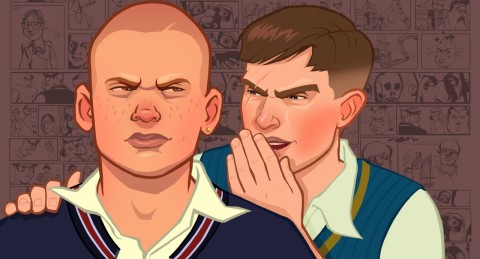
He has always been a little socially awkward and mouthy—a deadly combination and the recipe for an easy target. We’ve gone to great lengths to try to cultivate a little bit of self-awareness in him. As unfortunate as it is for someone his age, other kids notice how you dress, talk, carry yourself, interact with others, etc. Not only do they see these things, but they seem to care way more than he does (which is not at all).

So, I explained that bullies like to go for the low-hanging fruit. “What does that mean, dad?”
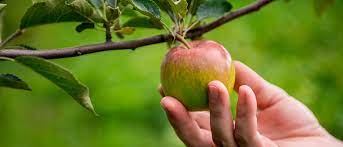
I stopped for a minute and thought about it. I first used the example of an apple tree. I asked him if he had to pick ten apples off of the tree, which ones would he choose. Of course, he said, the ones closest to the ground. “See, son, it’s just easier that way. The lower the fruit hangs, the easier it is to get it off of the tree, and bullies are always going to take the path of least resistance.” He gave me a slight nod and was hoping I would shut up. But, I didn’t—I thought about it some more.


I asked him if he thought the fruit at the top of the tree was more desirable, and I was surprised that he knew it was, and he even knew it was because they get more sunlight.

We talked about how apples were stuck on the tree and didn’t get to choose their positioning. But the great thing about our lives is that we can put ourselves in a position to receive more light. For my son, that means behaving in a way that makes adults and other students want to interact with him. More interactions mean more opportunities, which means more chances to learn and grow. Learning and growing continue to open more paths and avenues for further development.


Putting ourselves higher up on the tree not only gives us more sunlight but also prevents people from coming by and picking us off the limb. The longer we stay on the tree, the more we can remain green and continue to grow (credit my car business mentor for that one). If we fall off the tree before we are ready, we end up rotting on the ground or, even worse, food for farm animals.

Receiving extra sunlight and staying on the limb longer ultimately give us the chance to ripen on our terms. Instead of being plucked off by people looking for low-hanging fruit, we can continue to learn and grow until we are ready to fall off ourselves.


I only hope that my son got as much from this teaching moment as I did.
The Science, no, Art of Letting Go 

Fall is here, and with it comes the clichés of starting over, shedding baggage, and embracing change. I usually shudder when I see something like that, yet here I am, clutching the moment and coming to realizations that are a long time in the making. Maybe there actually is something unique to the archetypical, long-standing arrangement between the 4 seasons.  

https://onlyinark.com/culture/top-8-fall-color-road-trips-in-arkansas/

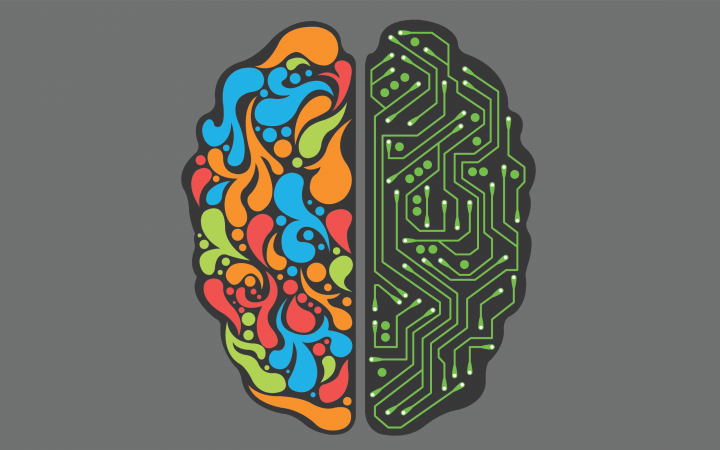
For as long as I can remember, I have always felt like an analytical person. I usually perform best in structured environments where I know what to expect. If A, then B. Give me a checklist and what you expect from me, and you can almost bet I’ll produce. I really liked Math in school—once you figure out how to do it, you can always arrive at the correct answer.  

I realized a trend recently in my life. It seems as though I like the challenge of trying to figure out a way to apply structure and rigidity to things that don’t usually fit inside of a box. I tried this with the car business. No two people are the same, and no two car deals play out the same, either. I tried to eliminate all of the variables and create a process that worked the same every time. This isn’t a new thing in the industry, but I think I did it pretty well, and it was definitely my favorite aspect of the business.  

https://insights.dice.com/2019/09/20/mathematicians-list-hottest-job-titles/

I tried to do the same thing in my marriage. If I do this, this, and this, then surely that, that, and that will follow. It’s an excellent way to keep things predictable and stable for a short bit of time, but I don’t think that strategy would work in any marriage over the long haul.  

This year I have had to let go quite a bit—more than any other year to date. And, like most other things I have encountered in life, I subconsciously tried to deal with it from a scientific, or analytical, frame of mind. What I’ve learned is that letting go is no science at all. It is the art of all arts. 

https://www.insightsassociation.org/article/art-vs-science-market-research-battle-we-can-win-win

I never will forget a conversation I had with my dad while my mom was dying. We were near the end of her stint in a long-term rehab center, and I was frustrated because no one was giving me answers. I tried to get the doctor to call me for days and kept getting the run around from the nurses. Dad had mentioned something about them recommending hospice care, and the tone of his voice made me realize that he had seen the writing on the wall. This was the first time I had considered that my mom could die and probably was dying. He later told me something along the lines of, “I was wondering when you were going to accept that she was dying.”  

That only began the process of letting go of mom. I had spent months watching her health decline but always believed something would change and she would end up being okay. I always thought she would walk again. When we moved her to hospice, I had to change my whole frame of mind. A friend at work suggested that I “release her.” That I tell her that it’s okay for her to leave. So, I did. 

https://www.ewellnessmag.com/article/giving-the-final-gift-eleven-ways-to-help-a-dying-person-let-go

The night before she died, I kissed her on her forehead and told her how much I loved her. I brought the kids in one by one to say goodbye. I prayed with her and played her favorite song on the phone. She knew about the problems I was having in my marriage, so I assured her that whatever happened, I would be fine. I let her go. And then she died the following day.  

There was no scientific way to get there—just some advice from a good friend and a leap of faith. Letting her go lifted an emotional burden off my shoulders and I’m convinced it helped mom let go of her earthly body. It helped her end her suffering and enabled me to start the grieving process.  

I’ve also had to let go of marriage this year.  

https://www.powerofpositivity.com/marriage-worth-saving-or-time-to-let-go/

I felt like I had done everything on the checklist the right way. I thought I had killed all the baby dragons before they became big enough to come to burn down our home. I had sacrificed some happiness, emotional health, and a whole lot of time in exchange for stability and security. The only problem was I didn’t ask for any help when I made the checklist, and she had one of her own that I wasn’t taking care of. 

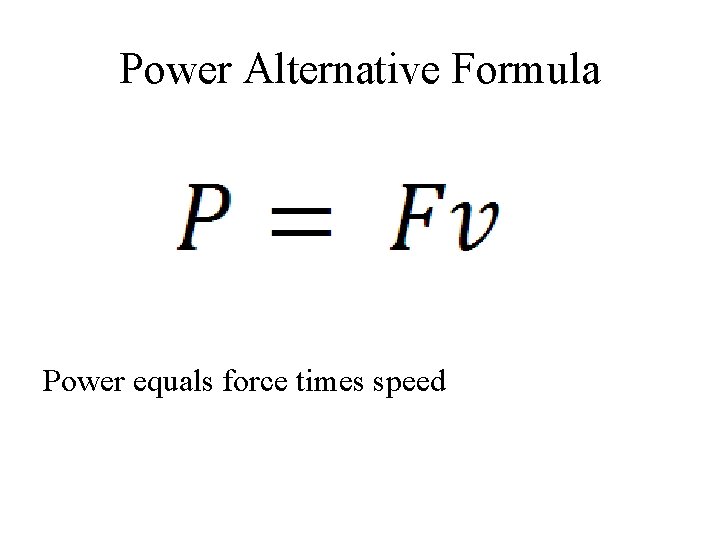
My analytical mind had told me that if I kept battling forward, eventually, the dam would break. Every time someone looking in from the outside told me that I needed to be done, it fueled me to keep trying that much harder. The harder I pushed, the further away from the prize I found myself. In the scientific world, force x speed = power. But in the realm of emotions, force x speed = distance created.

https://slidetodoc.com/lesson-5-4-power-essential-question-how-do/

I fought for a long time, too, man. I fought so much that I’m pretty sure I actually lost focus of what I was fighting for. I held on to principles, memories, and images of what I had envisioned for my life. I battled and battled because I felt like the kids deserved for us to be together. If I had gotten what I wanted, odds are we wouldn’t have been able to make it work anyway. Regardless, I fought hard—even though it was too late. At some point, I realized that I was only fighting for the sake of fighting. And the moment that crossed my mind, I let go.  

I don’t regret fighting. I can live with what happened, and the experiences learned will make me such a better partner the next time around. I left it all on the court, and even after the buzzer sounded, I stayed around and kept shooting. I was still there after the lights went out and the crowd emptied the building. It sharpened my skills and made me better, but eventually, you have to jump back into a new game.  

https://identity-mag.com/this-one-is-for-all-the-basketball-players-out-there/

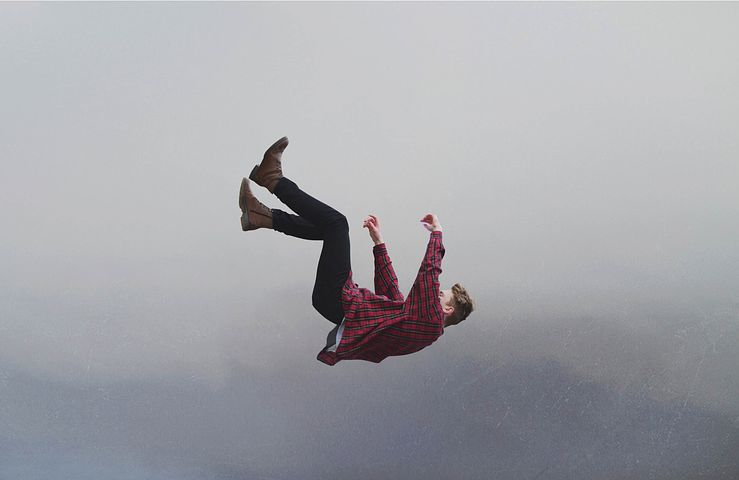
For 38 years, I viewed “letting go” as if I were hanging from the side of a cliff, and to “let go” would mean a plummet straight toward the ground. Letting go is hard, and if you look at it through that lens, it is also scary and intimidating—free falling to your imminent death. 

But what I’ve learned this year, I hope everyone reading this will take away with them. Sometimes, what you are holding on to isn’t as sturdy as you think. When you let go, you take a burden off what you are holding on to—like my mom and my marriage. And sometimes, that fall doesn’t always mean certain death. While you’re falling, you can see the world around you from a different perspective. New possibilities bring themselves to light. New pathways provide highways for new journeys. You meet other people who have let go as well, and you can fall together. If you embrace the fall, it can become a beautiful experience. 

And maybe, if you’re lucky, you’ll even land on your feet. 

https://identity-mag.com/this-one-is-for-all-the-basketball-players-out-there/

The Two Paths of Decision-Making

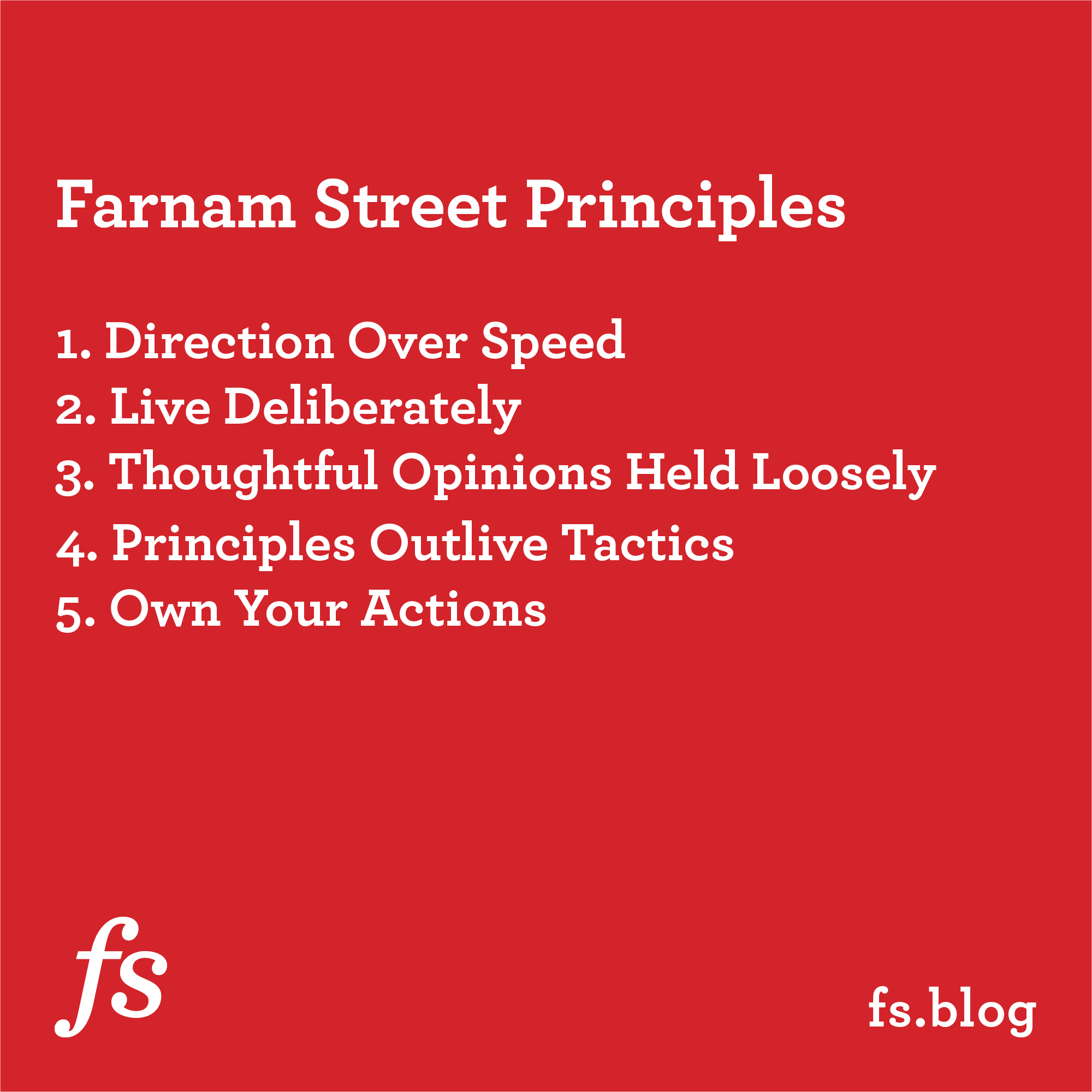
There is an infinite number of rabbit holes a person can find while using the internet. Some are dark and creepy. Others are light-hearted and funny. Many of them will find you wishing you had the time spent back, and a few of them may help you be more productive. One of my recent rabbit hole dives led me to The Knowledge Project, a podcast hosted by Shane Parrish. From that podcast, I found his website, The Farnam Street Blog, which provides articles and exposes that center on how and why we handle the process of decision making.

There are some fascinating articles on the blog and some fantastic interviews on the podcast. I would suggest checking either or both of them out. But one theme that pops up now and then is the idea of making decisions based on the probable outcome. More specifically, do you make decisions based on the best possible ending or eliminating the worst-case scenario?

fs.blog

Most people would probably pick like me and say the former rather than the latter before they put a lot of thought into it. On the surface, who wouldn’t want the “best possible outcome?” But when you look back on your life and analyze some of your decisions, is that what you did? And if not, do you regret it? Will you change the way you make your decisions going forward? Let’s look at two different scenarios and then think about how you handled or will handle them in your life.

Love

If you could see fifty years into the future when choosing who you will spend your life with, how does your ideal scenario play out? For me, it would be a lifelong love affair with someone I connect with on the deepest level. It would be hills and valleys but having them right there by my side the whole time. They would be by my side for the suffering and the joy, and we would share our experiences every step of the way. I’m sure everyone’s answer is a little different, but that’s what it would look like for me. On the flip side, though, what kind of roadblocks would you have to stumble over if you made your choice like that? How much would you overlook, and how far would you let it go?

But what if I decided to eliminate the worst-case scenario? I would probably settle down with someone financially secure who had good genes to pass down to our children. And, we would take those pictures in the fall with the trees in the background (to make sure the grandparents were pleased). I would probably even sacrifice passion and attraction for security and acceptance.

Now I’m not saying that you can’t have both, by the way. And, I’m not saying you’re wrong if you choose to go with the more safe and secure path. I think it’s interesting how we shape our lives by eliminating some of the variables that could leave us vulnerable in the end–nothing more and nothing less.

Career

The best-case scenario in your career would be sticking to the adage, “Find something you love to do, and you’ll never work a day in your life.” If you can take a passion, skill, or gift and find a way to monetize it over the long term, you will probably end up very fulfilled and satisfied when it is time to retire. But there are apparent risks while traveling down this path. How long do you have to wait before your passion becomes lucrative? How many times do you have to fail until you get it right? How does that affect your health and your family?

In this situation, the worst-case scenario is finding yourself broke and not providing for your family. How do you eliminate that? Most people decide to find a place that will pay them regularly, and they trade out that paycheck for 40 hours or more a week. There’s not much risk involved as most jobs won’t require a financial investment. If you can handle the workload and hours, you will have some change in your pocket at the end of the week after making enough money to provide for your family.

Again, there is nothing wrong with either one of these options. One is more romantic and risky, and the other is safe and secure. It just goes to show you how our decision-making process can shape the way our lives play out. The examples I mentioned above would be considered “major choices” in the long run. Still, we make these same kinds of differentiation in almost every micro decision we make daily.

How did it affect your most recent car purchase? What about your interaction with the person in line in front of you at the bank? Even when picking out what music to listen to on the road home or where to pick up takeout, we are constantly weighing the option of “best possible outcome” or “eliminating the worst-case scenario.”

I believe the key to living a satisfying life is finding the harmonious balance between these two ways of making decisions. After all, we are only the sum of our choices. Choose wisely, my friends! Too much risk may find us in the shower biting our knees in agony, but not enough of it may leave us cold and unfilled.