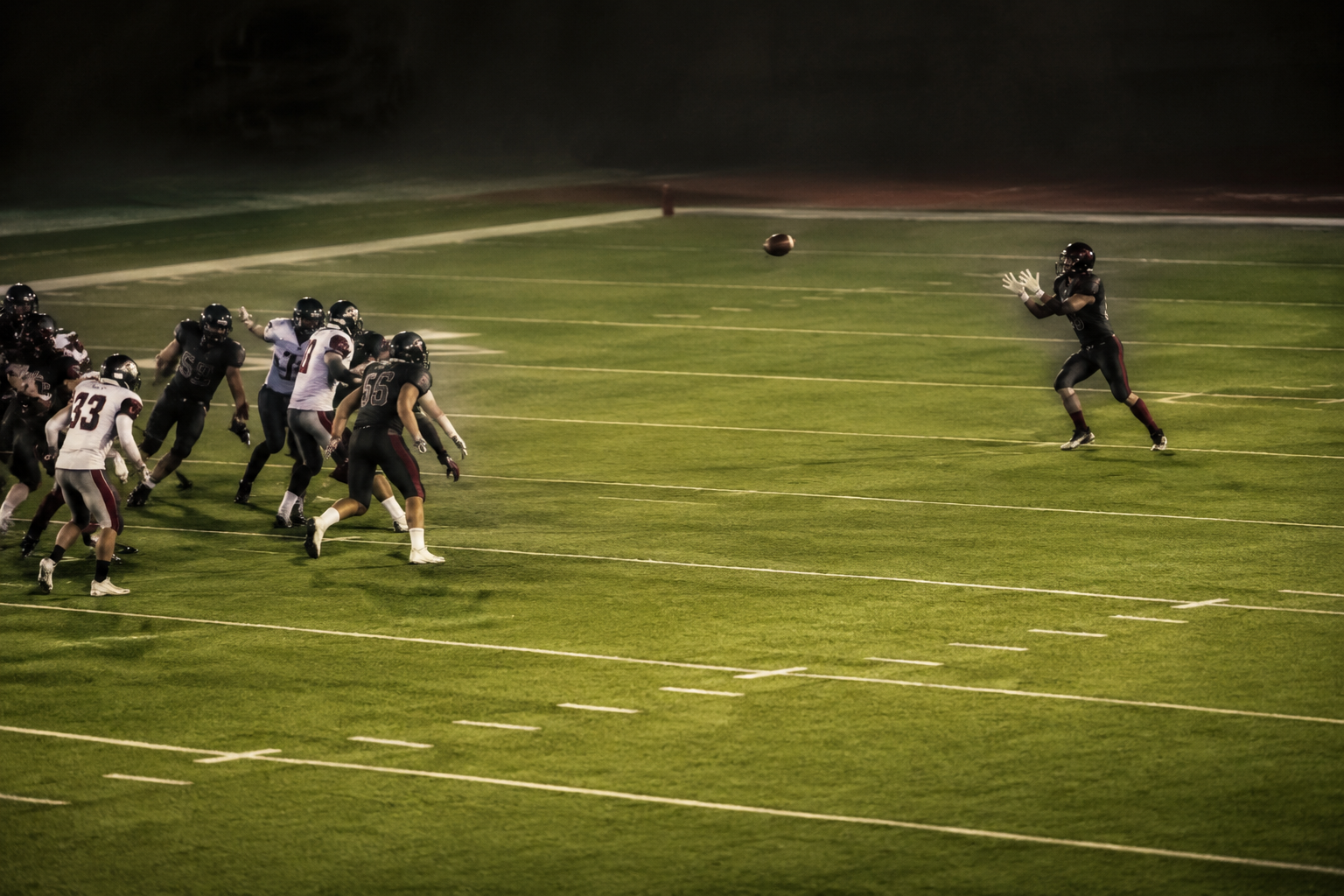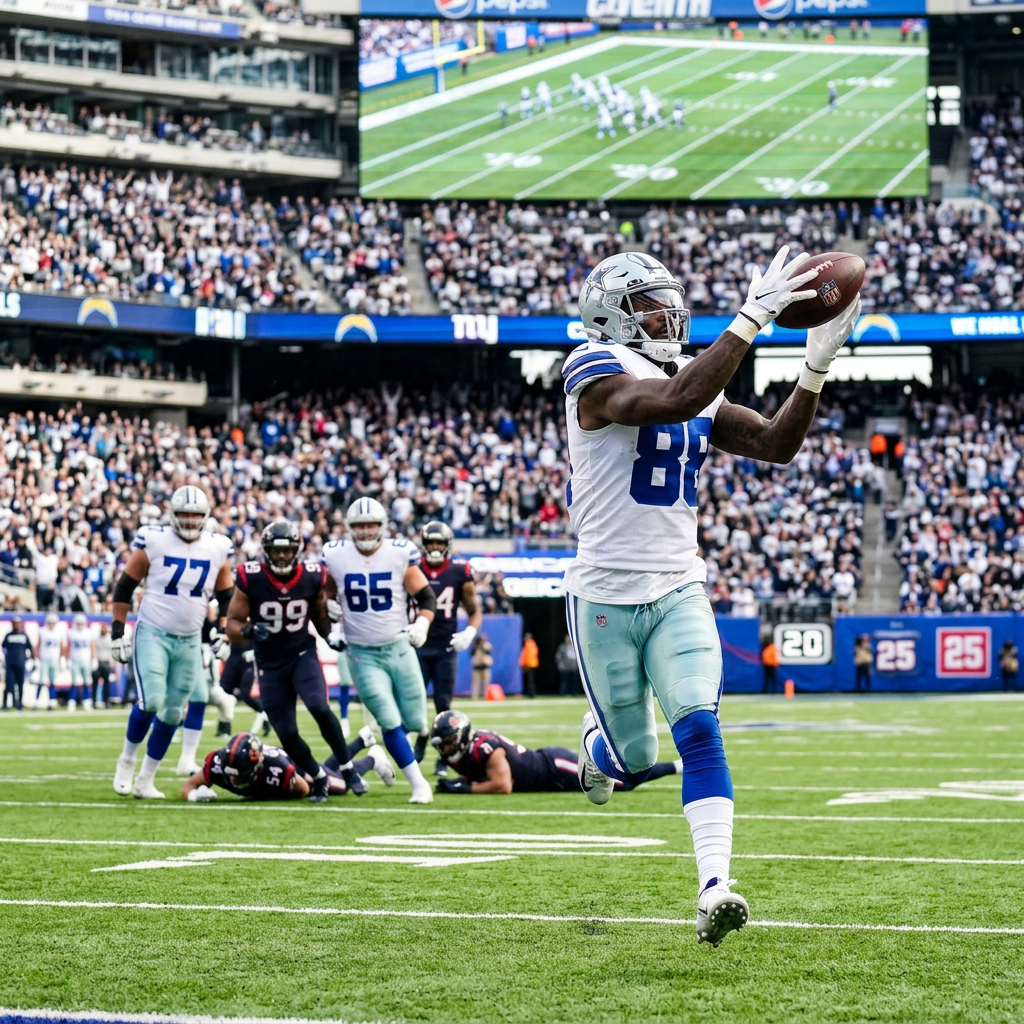
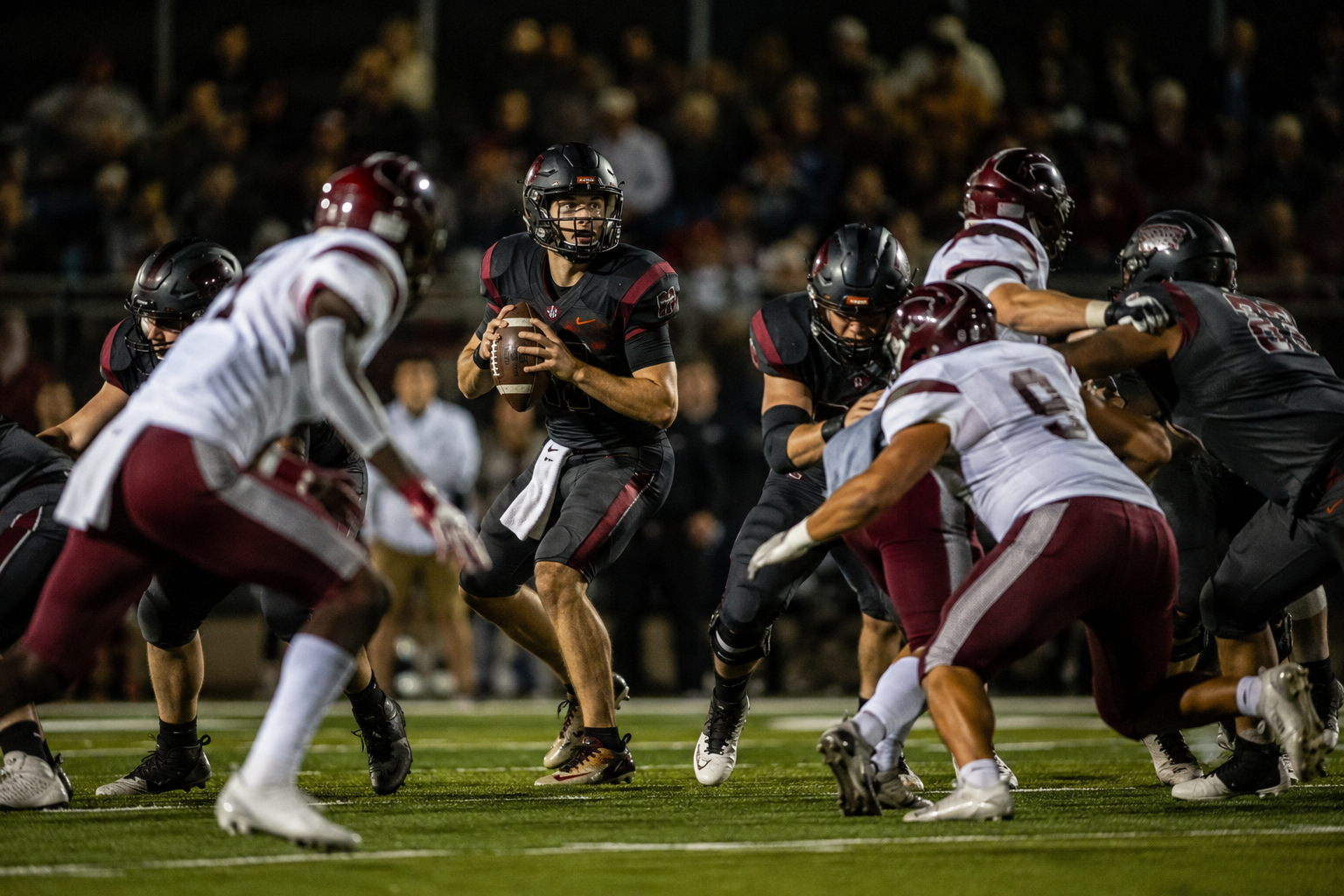
In football, if the quarterback has all afternoon to stand in the pocket, the defense has a problem.
He can look at one receiver, move to the next, check the safety, adjust his feet and wait for somebody to come open. So the defense changes the conditions.
It sends another player after him.
Blitz.
Now the quarterback has less time, less space and a large human being moving toward him with violent intentions. The play may be the same, but the environment is not. A comfortable decision became an urgent one in about half a second.
That is pressure.
The car business understands this too.
This incentive ends tonight. Someone else looked at the vehicle. The price is only good today. The manager needs an answer. Put a clock beside almost any decision and watch the decision change.
Pressure is powerful because it narrows the field. We stop evaluating every option and start searching for the fastest way to make the feeling go away.
That distinction has cost me before.
There have been times when I thought I was solving a problem but was really trying to escape the discomfort created by the problem. Those are not always the same thing.
The bill is due, so the credit card provides relief. Pressure reduced. Larger problem scheduled for later.
The argument is uncomfortable, so we say whatever ends it. Pressure reduced. Actual disagreement still sitting there, now with an additional layer of dishonesty.
The job feels unbearable, so walking out immediately feels like freedom. Maybe leaving is correct. But freedom becomes considerably less free when the next round of bills arrives and no plan came with it.
Immediate relief is seductive because it works immediately.
The problem is that a tourniquet and healing are not the same thing.
Here is the part of the football metaphor I find most useful: the extra defender has to come from somewhere.
If a linebacker charges the quarterback, he is no longer covering the same part of the field. Pressure creates danger, but it also creates exposure. Beat the blitz and there may be a receiver standing alone with open grass in front of him.
The quarterback can miss that because the threat is so obvious. Staring exclusively at the person trying to flatten you is an understandable response.
Life creates the same tunnel.
A money problem can make the entire world look like money. A relationship problem can consume every thought. A crisis at work can convince us nothing exists beyond the building. The pressure becomes the only thing on the field.
But the blitz always leaves something open.
A crisis at work may reveal the person who can lead when the usual leader is unavailable. Tight finances may finally expose spending that never mattered as much as it claimed. A relationship reaching its breaking point may force the honest conversation comfort allowed both people to avoid. Losing one option may create enough necessity to build another.
I am not recommending crisis as a personal-development strategy. Life distributes those freely enough.
I am saying pressure changes the field. Do not become so fixated on what is charging toward you that you fail to notice what moved.
One chapter in A Nobody’s Guide to Self-Help grew from this question: What does pressure do to me?

Some people become reckless. Some freeze. Some get angry. Some agree to anything. One of my defaults under certain kinds of emotional pressure has been escape. Leaving first can feel safer than staying long enough to discover how something ends.
Pressure rarely invents a completely new person. It usually reaches for the response we have practiced.
That is why the middle of a crisis is a terrible place to invent your values.
Decide some things before the snap.
What will you not sacrifice for a job? How much financial risk are you willing to carry? What boundary does not move simply because someone becomes upset? Who has earned the right to advise you? What deserves an immediate response, and what deserves a night of sleep?
Preparation does not remove pressure. It keeps pressure from introducing you to yourself for the first time.
If something is bearing down on you now, acknowledge it. The linebacker may be real. Ignoring him would be stupid.
But look across the rest of the field too.
Are you solving the problem or only trying to stop feeling it?
Is the clock real?
What changed when the pressure arrived?
And what did the blitz leave open?